
Why go
The dish has roots in the garrison cooking of northwest China, where soldiers carried hard wheat bread on campaign and would break it into their stews. In Xi'an it became a ritual: the bread is dry-baked, dense, and meant to be torn, not cut — scissors rob the bread of its ragged edges that soak up broth perfectly.
The broth is the second act: lamb bones and meat simmered for hours, seasoned simply with salt and a firm hand of white pepper. When your bread returns from the kitchen, it has swelled into soft, sponge-like chunks that have absorbed every drop of flavour.
- Tear the bread into tiny pieces — the size affects the final texture
- Tell the kitchen you want it 'dry' (ganshi) or 'soupy' (tangshi) depending on mood
- The broth is lamb-based, sharpened with white pepper
- Add a dollop of chilli paste and pickled garlic on the side
The ritual
Wash your hands — this is finger work. Tear the flatbread into pieces roughly the size of a fingernail, no bigger. Show the bowl to the kitchen and specify the style: ganshi (dry, bread dominant, almost no visible soup), or koutang (a moderate bowl). Each is a legitimate preference. Pair it with a plate of pickled garlic and a cold drink; the pepper builds.
Where to go
The most famous name is Laosunjia (老孙家), and the Hui Quarter is dense with excellent alternatives. A bowl costs 25–40 RMB. Ask for the lamb version over the beef if you want the classic. Many locals finish with a tiny cup of the house tea and consider the hour well spent.
Getting there
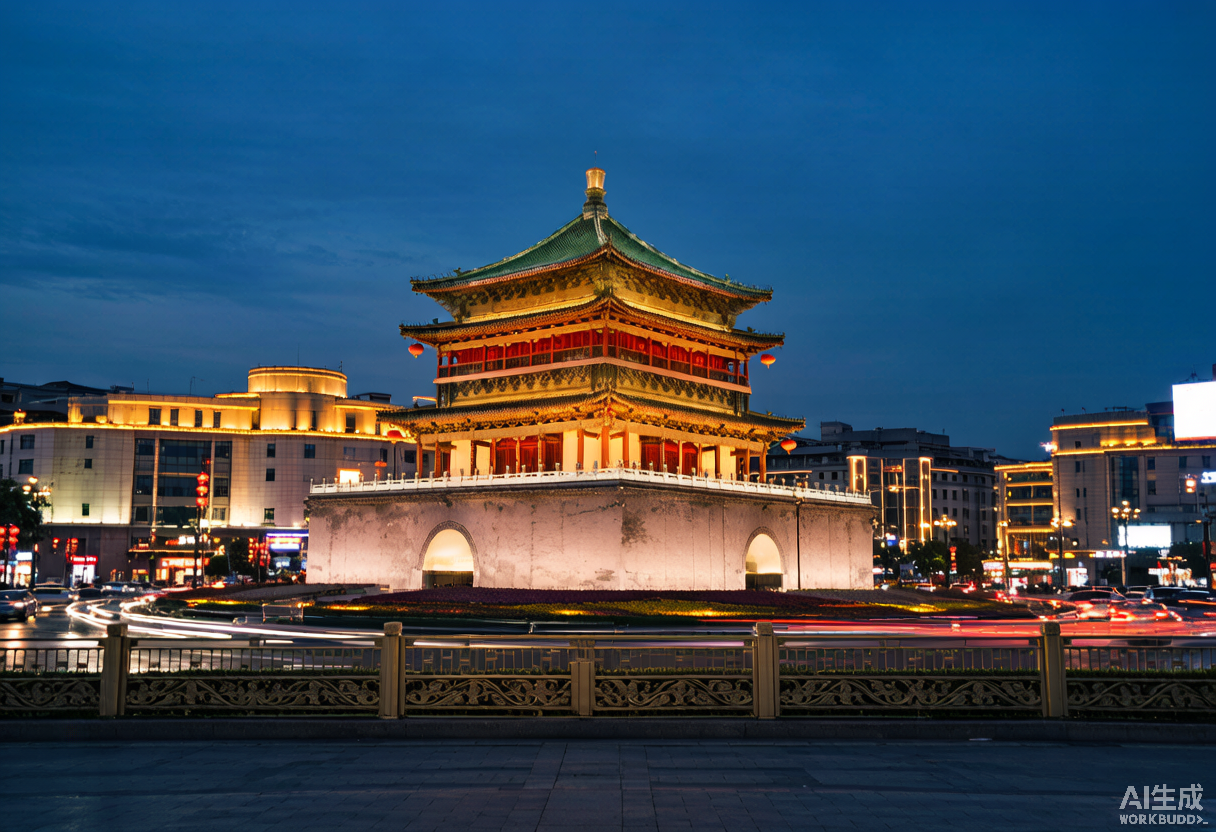
- Xi'an's best-known paomo houses are in the Bell Tower area and the Hui Muslim Quarter
- Base
- Dry-baked flatbread torn into broth
- Broth
- Lamb bones simmered, seasoned with white pepper
- Price
- 25–40 RMB a bowl