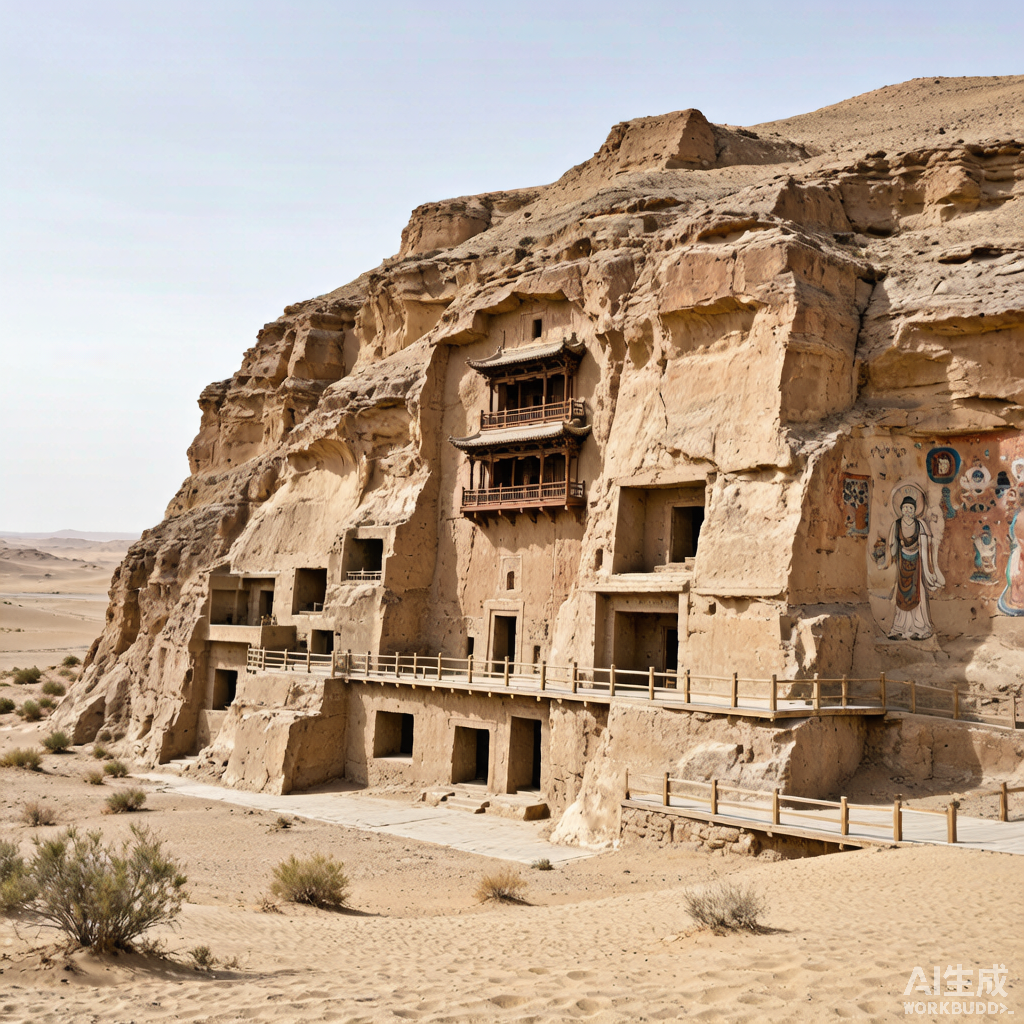

Why go
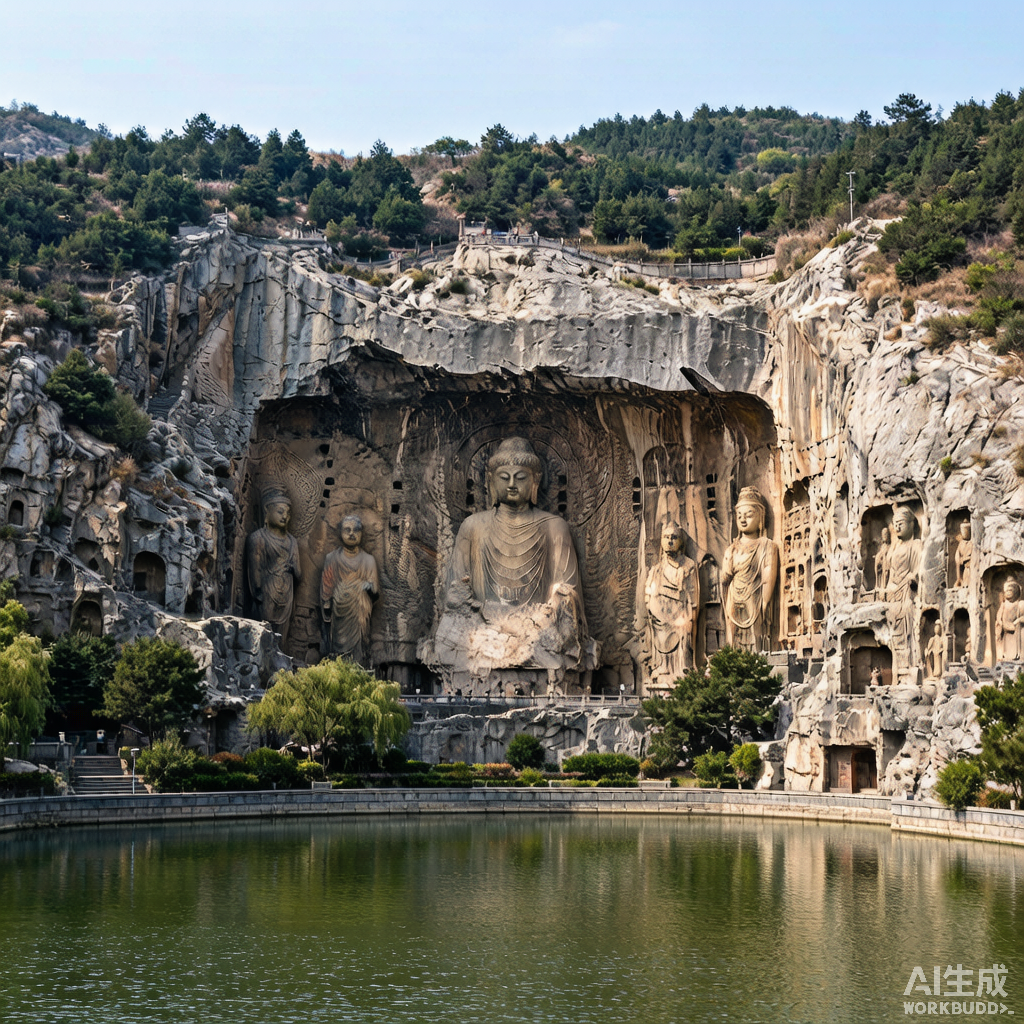
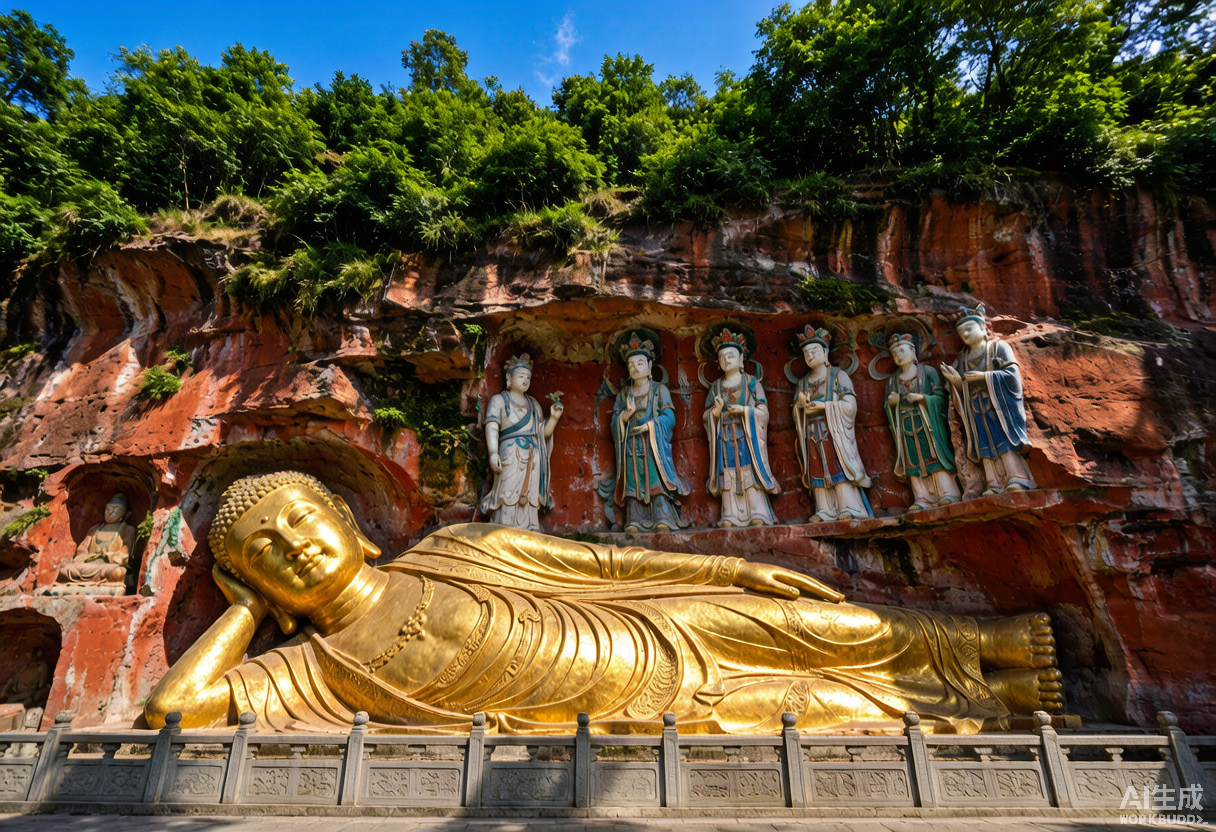
In the mid-5th century the Northern Wei dynasty made Buddhism its state religion and set its imperial workshops on a cliff west of the capital. What emerged over the following decades was a gallery of 252 caves and niches stretching more than a kilometre — Buddhas in imperial dress, thousands of miniature seated figures honeycombing the walls, and foreign features that record the sculptors' Central Asian roots.
Unlike Dunhuang's painted caves or Longmen's later refinement, Yungang is about mass and proximity. You stand face to face with gods carved 15 centuries ago, some indoors in near darkness, some in the open air where their wooden temple fronts collapsed centuries ago. UNESCO listed the site in 2001.
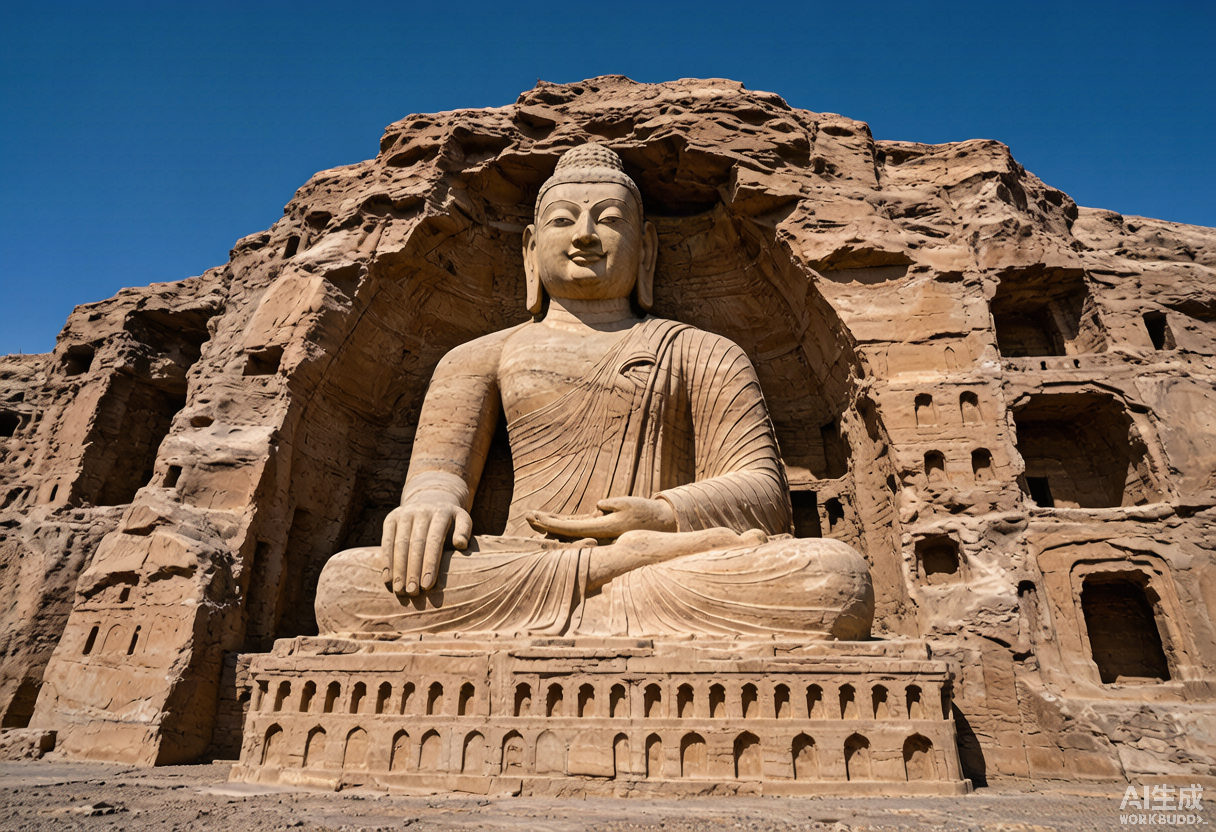
- Cave 20's open-air seated Buddha — the 13.7 m icon whose smile fronts every Yungang photo
- Cave 5's 17 m seated Buddha wrapped in a wooden temple facade, and Cave 6's carved walls telling the Buddha's life story
- Carved in under 70 years, then left to the desert — the colours that survive are 1,500 years old
- Pair with the Hanging Temple (悬空寺), 65 km east, for a single extraordinary Datong day
What to see
Work west to east. Caves 16–20 are the imperial 'Five Caves', their main Buddhas carved in the likenesses of five emperors — Cave 20, its facade long collapsed, is the famous open-air colossus. Caves 5 and 6 are the furnished highlight: a 17 m seated Buddha in one, and in the other a kaleidoscopic carving of the Buddha's life covering every wall and even the central pillar. Caves 9–13, the 'colorful caves', retain patches of original pigment. The museum at the entrance gives excellent Northern Wei context.
Pairing with the Hanging Temple
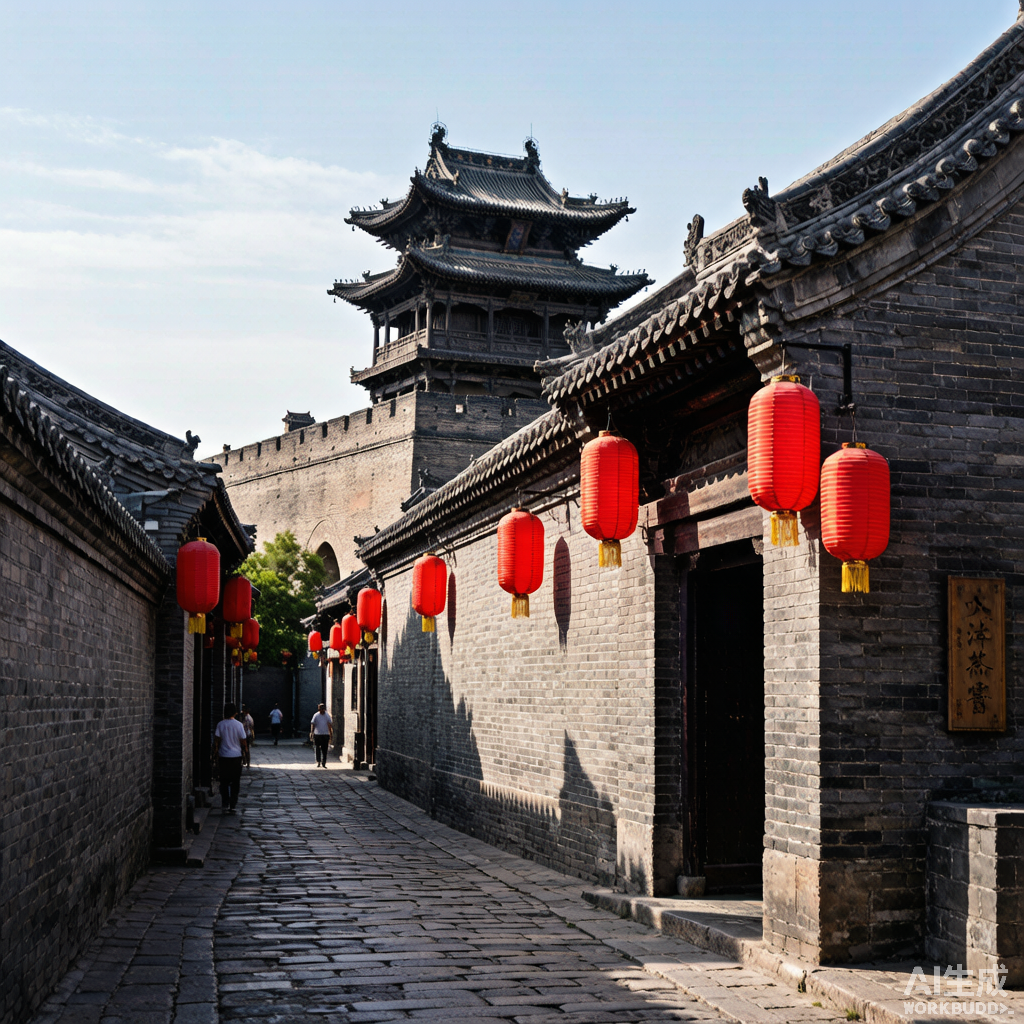
The Hanging Temple (悬空寺) at Hengshan, 65 km southeast, is a monastery clamped to a cliff face on oak beams, 1,500 years old and still walkable. Taxis and day tours cover both sites comfortably in one long day; leave Datong by 8:00 and do Yungang second, when the tour buses have gone. Datong's own rebuilt city wall and its dragon-screen make a pleasant evening walk back in town.
Getting there
- Taxi or bus 3 from Datong city centre, ~45 minutes; the site is 16 km west of town
- High-speed trains link Datong to Beijing in under 2 hours
- Carved
- 460–525 CE, Northern Wei dynasty
- Scale
- 252 caves, 51,000+ statues, 1 km of cliff
- UNESCO
- World Heritage since 2001