
Why go
The temple rose to fame during the Tang dynasty when emperors — including Empress Wu Zetian — venerated the finger bone relic of Sakyamuni believed to rest here. Seven imperial offerings were placed in the underground palace before it was sealed in 874 and forgotten for over a millennium.
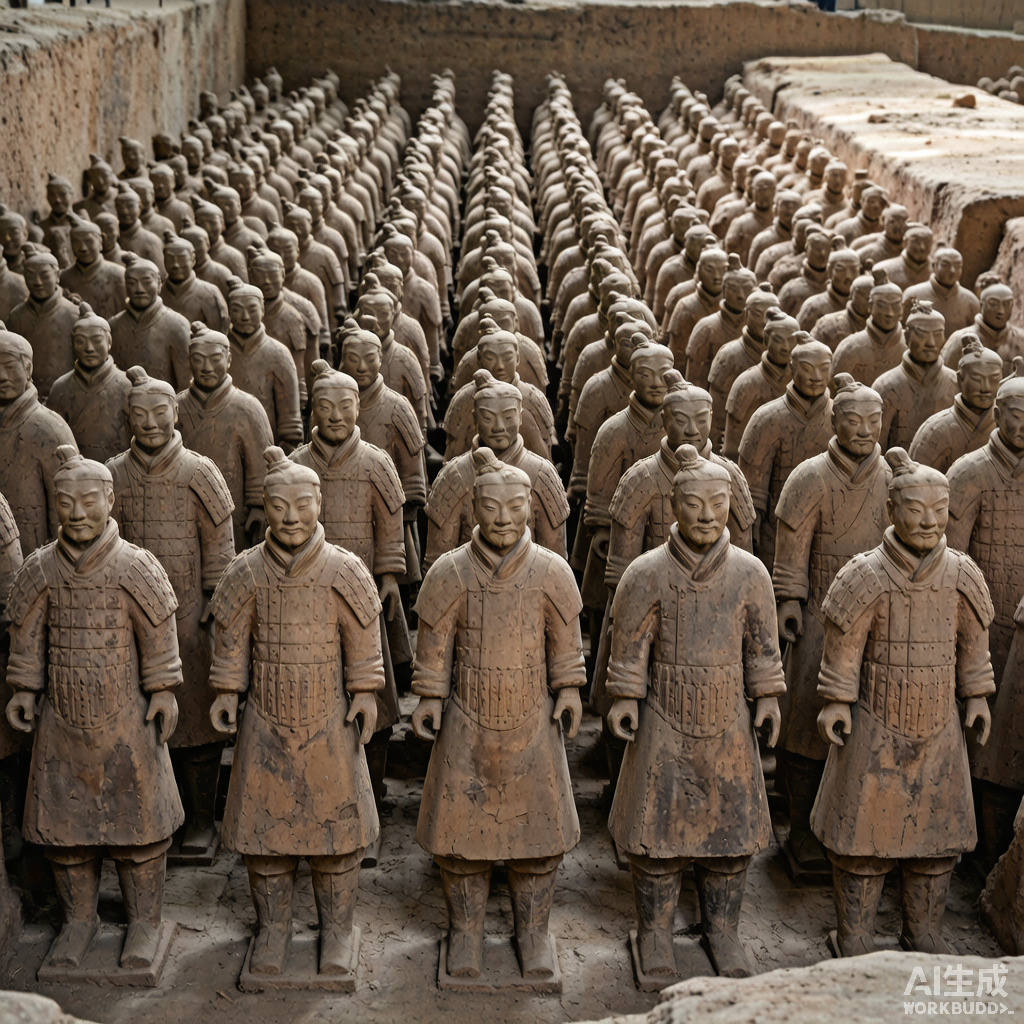
In 1981 the old Ming-era pagoda half-collapsed under heavy rain. The 1987 restoration revealed the sealed crypt — one of the greatest archaeological discoveries of modern China, often compared to the Terracotta Army in significance.
- The underground palace — sealed since 874, now opened for viewing
- The genuine Buddha finger bone relic (sarira)
- Tang dynasty gold, silver and porcelain on display in the museum
- The 148-metre Namaste Dagoba — a modern landmark visible for miles
What to see
The old temple complex (Famen Old Temple) holds the historic halls, courtyards and the base of the collapsed pagoda where the underground palace is now exposed. Descend into the crypt to see the chambers where the relic and Tang treasures lay hidden — replicas of the gold and silver offerings are shown in situ.
The Famen Temple Museum beside the old temple displays the real artefacts: gold and silver ritual vessels, Tang silk, imperial porcelain, and the set of nested reliquaries that once held the bone.
West of the old temple rises the 148-metre Namaste Dagoba, completed in 2009. The colossal lotus-shaped stupa holds a modern relic hall on its upper floor — a striking contrast to the old courtyard buildings.
Practical notes
The site is large — the walk between the old temple and the dagoba alone takes fifteen minutes. An electric shuttle runs between the two. Arrive early to avoid the bus-tour crowds that arrive from Xi'an around mid-morning.
Getting there
- Tourist bus from Xi'an (2 hours)
- High-speed train to Baoji then bus (90 min total)
- Founded
- Late Northern Zhou (late 6th century)
- Underground palace sealed
- 874 (Tang)
- Relic discovered
- 1987 — Buddha finger bone (sarira)