
Why go
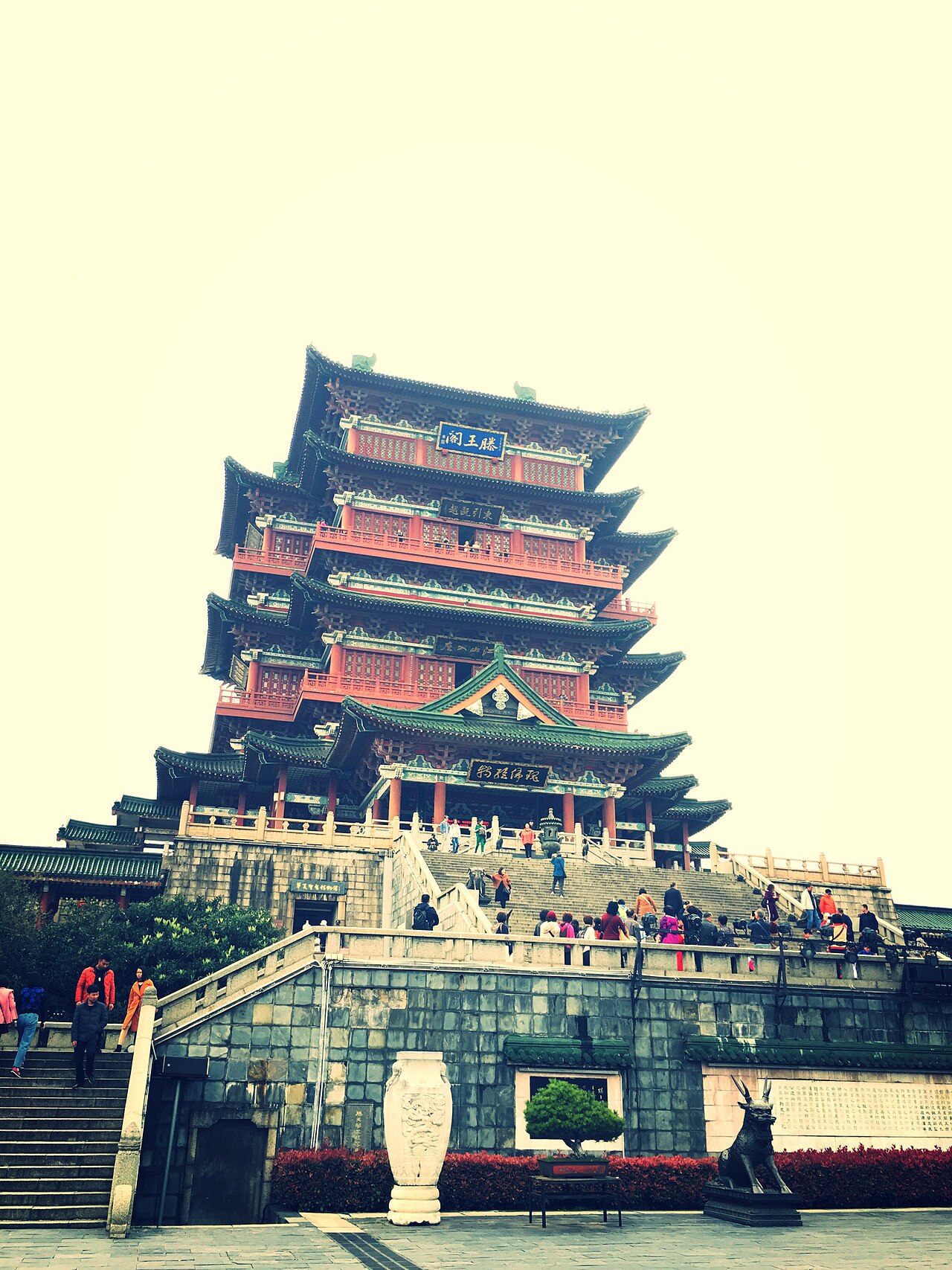
The pavilion was first built in 653 AD by Prince Li Yuanying of Teng, destroyed and rebuilt 29 times over the centuries — floods and wars took turns with it. What stands now is a reinforced-concrete reconstruction in Song dynasty style, faithful in silhouette if not in material, and tall enough at 57 metres to dominate the riverside.
Wang Bo's line comparing the sunset clouds to a flying wild duck made the pavilion immortal: it is a building whose reason for existing is a poem, which is a very Chinese kind of monument. Read the preface before you go — or at least the famous last lines — and the top-floor view becomes something more than a river view.
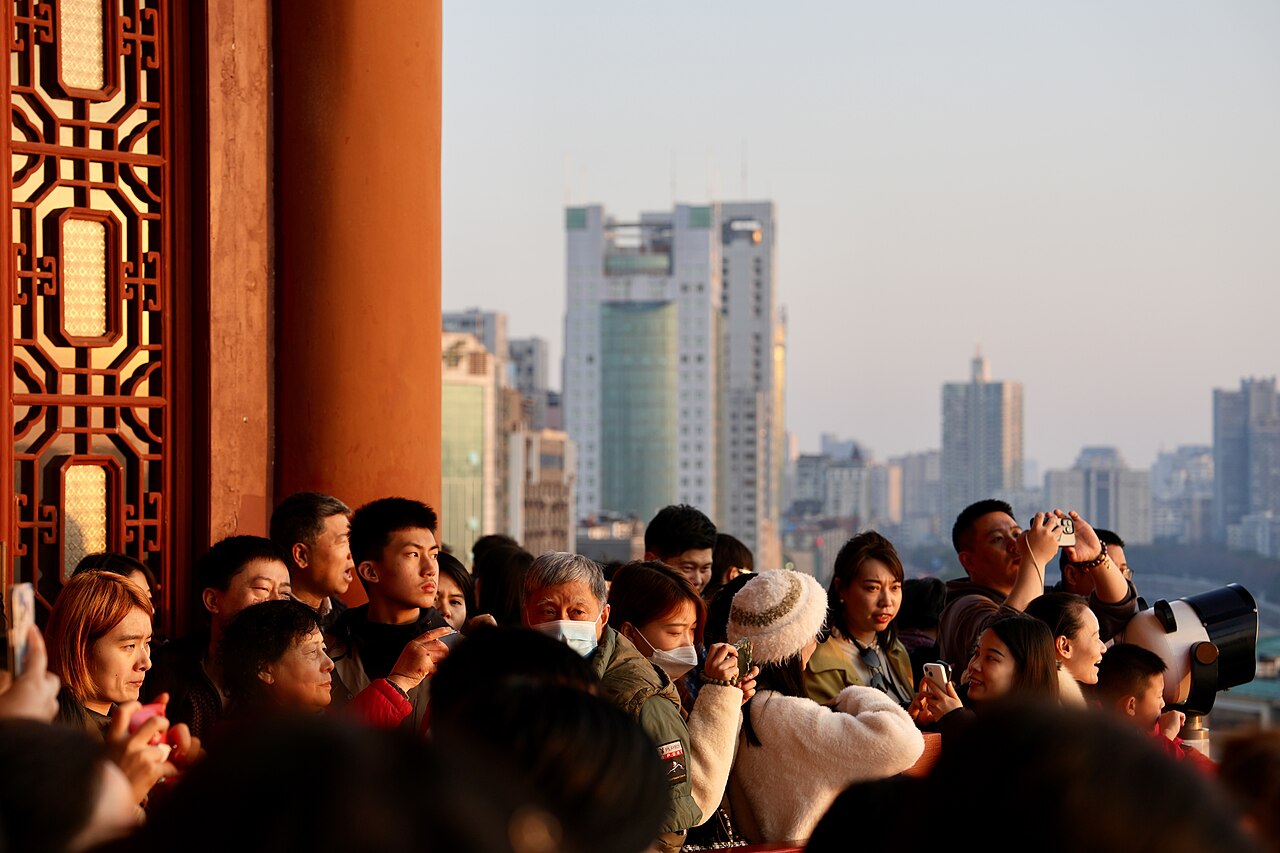
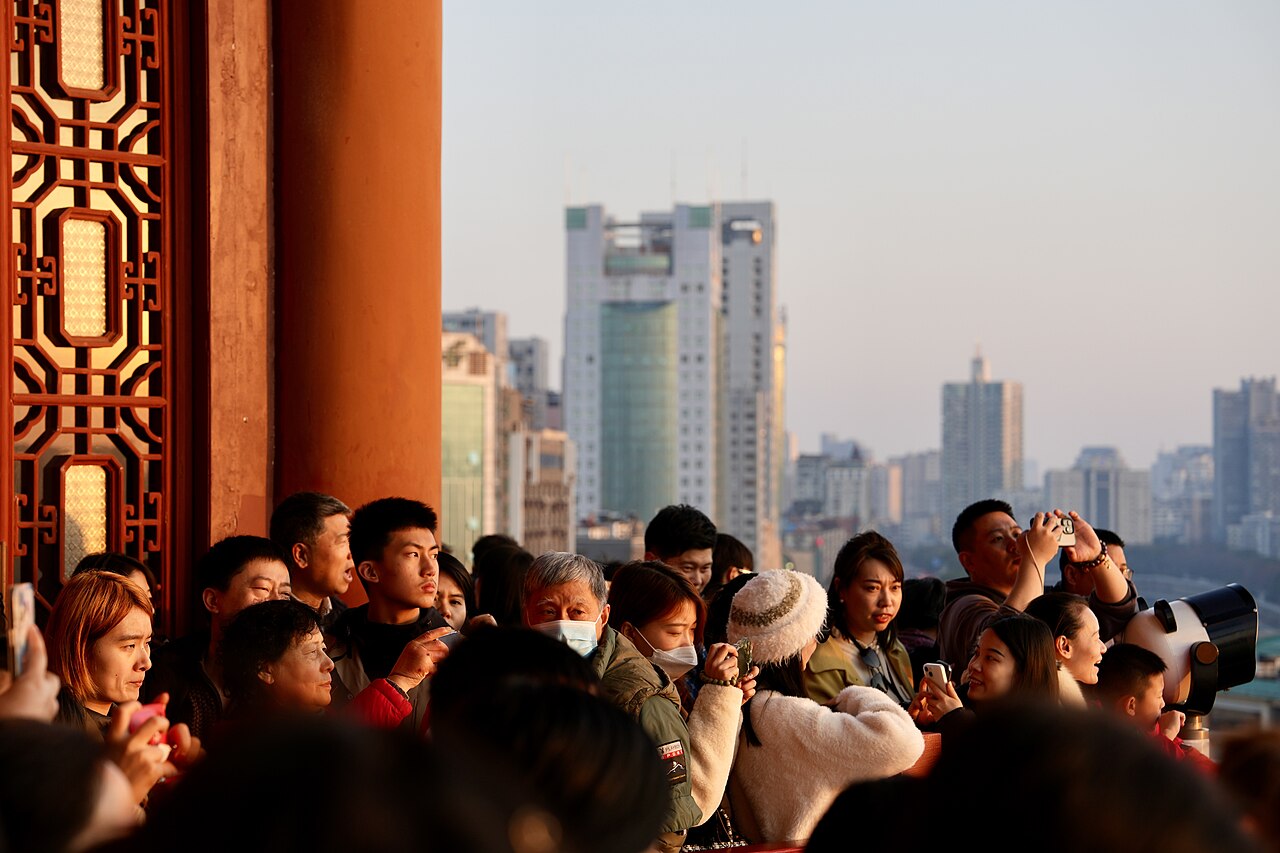
- The view from the top floor over the Gan River — sunset over the water is the scene Wang Bo described
- The reconstruction's architecture: Song-style brackets, eaves and the dominant green tile roof
- Bell and drum performances scheduled through the day on the upper terraces
- The nighttime light-up, when the pavilion glows gold over the riverside promenade
Practical tips
Elevator access exists to the fifth floor for those who can't manage the stairs — ask staff at the entrance. The interior floors house exhibits on the pavilion's history and the poem. Combine with the riverside walk at dusk when the locals come out to dance along the promenade.
Nearby
The Bayi (August 1st) Uprising sites and the Poyang Lake wetlands are Nanchang's other headline sights. Mount Lushan and Jingdezhen — the porcelain capital — are both reachable as day trips from the city.
What to See — Aug 2026 Picks
Xiaohongshu travelers in August 2026 are chasing the night: they arrive around 6pm for sunset and blue hour, stay for the two facade projection shows, then wait until after 9:30pm for the fully lit pavilion — the shot that is flooding the feeds. The recite-the-'Preface'-for-a-free-ticket machine is also a hot topic, and with daytime temperatures topping 30°C, most visitors spend the hot middle of the day indoors and come out at dusk.
The Main Pavilion & the Gan River View
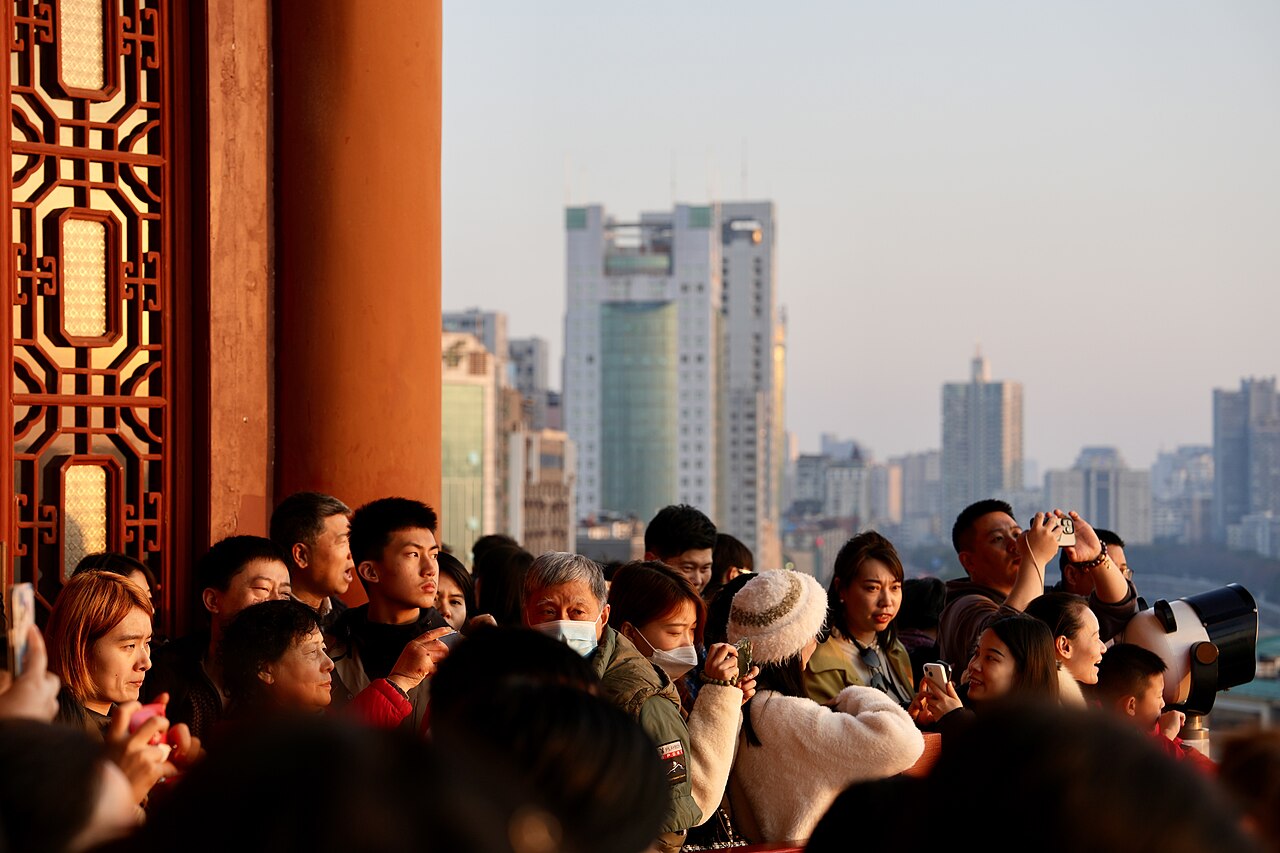
Climb the five floors of the reconstructed pavilion for the view that made Wang Bo's line 'falling sunset and lone wild goose flying together' famous — the Gan River bending past the city with the Bayi Bridge in the distance. The facade lighting from 7pm on makes the flying eaves glow against the dark water. For the cleanest shot, XHS photographers use a wide-angle low-angle from the main plaza to get the full tower silhouette.
'Dreaming of Tengwang Pavilion' Night Show (寻梦滕王阁)
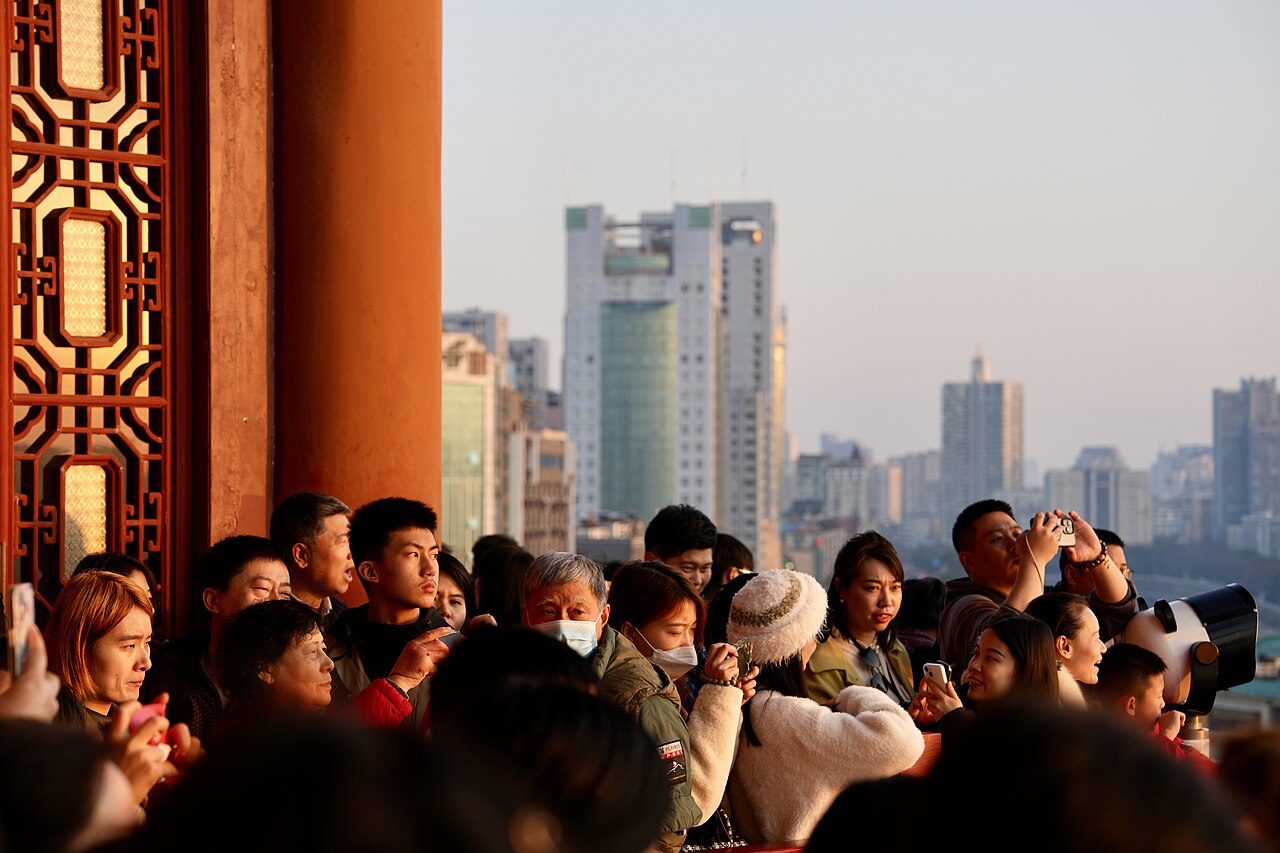
After dark the south garden becomes the stage for this large outdoor light-and-performance show, running around 7:45–8:30pm with entry from about 6:45pm (ticket roughly 168 yuan, one child under 1.3m free per adult). It is the priciest add-on but XHS reviews say it is the most atmospheric way to see the pavilion at night. Book in advance, because August weekends sell out.
Recite the 'Preface to Tengwang Pavilion' for a Free Ticket
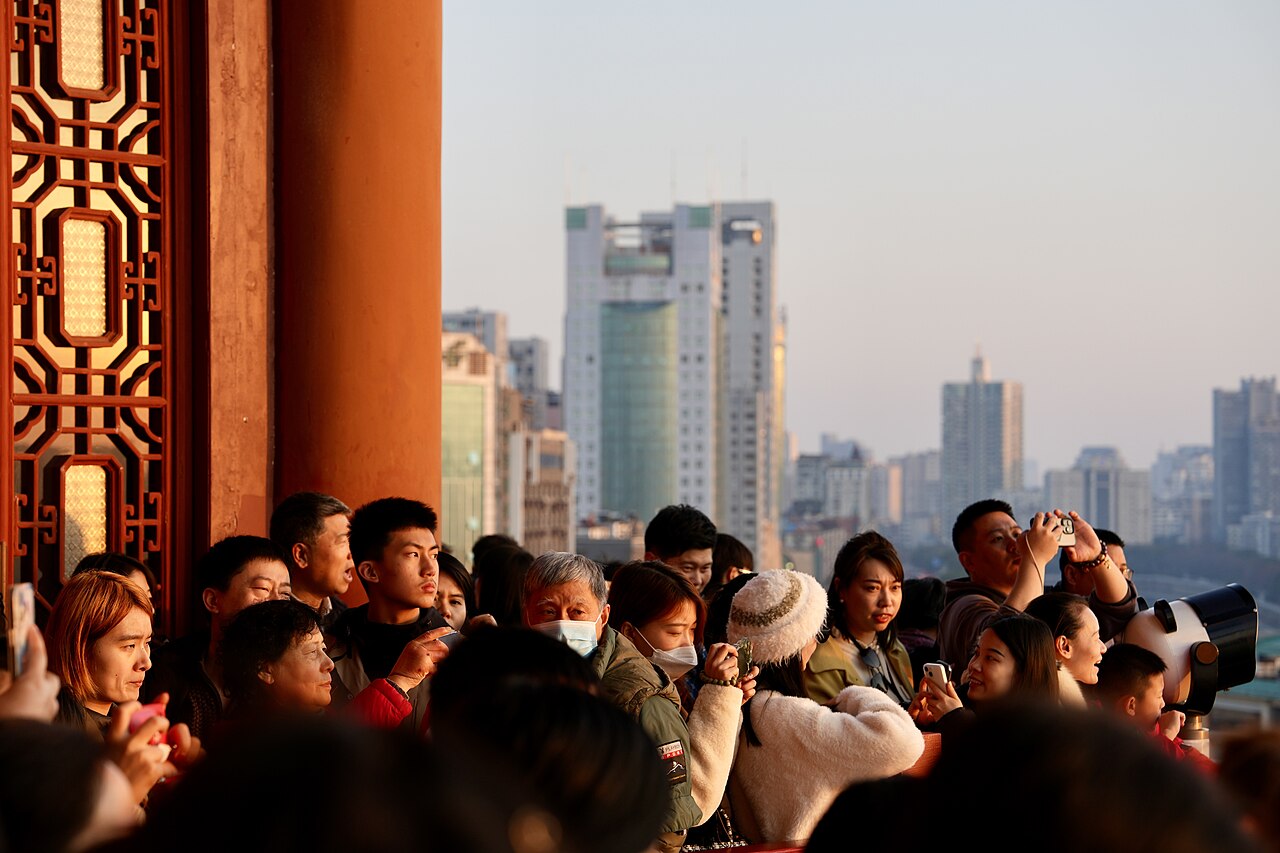
The pavilion runs one of China's friendliest recitation challenges: at the smart machine in the South Gate visitor centre, nail the full 'Preface' within 6 minutes for 60 points, or a random passage in 2 minutes for 80 points, and the ticket is free. The 5A-area poetry-recitation program has been running through 2026, and XHS users treat passing it as a badge of honour. Go early in the day — queues for the machine grow after 10am.
North Garden (北园) & the Reflection Pond
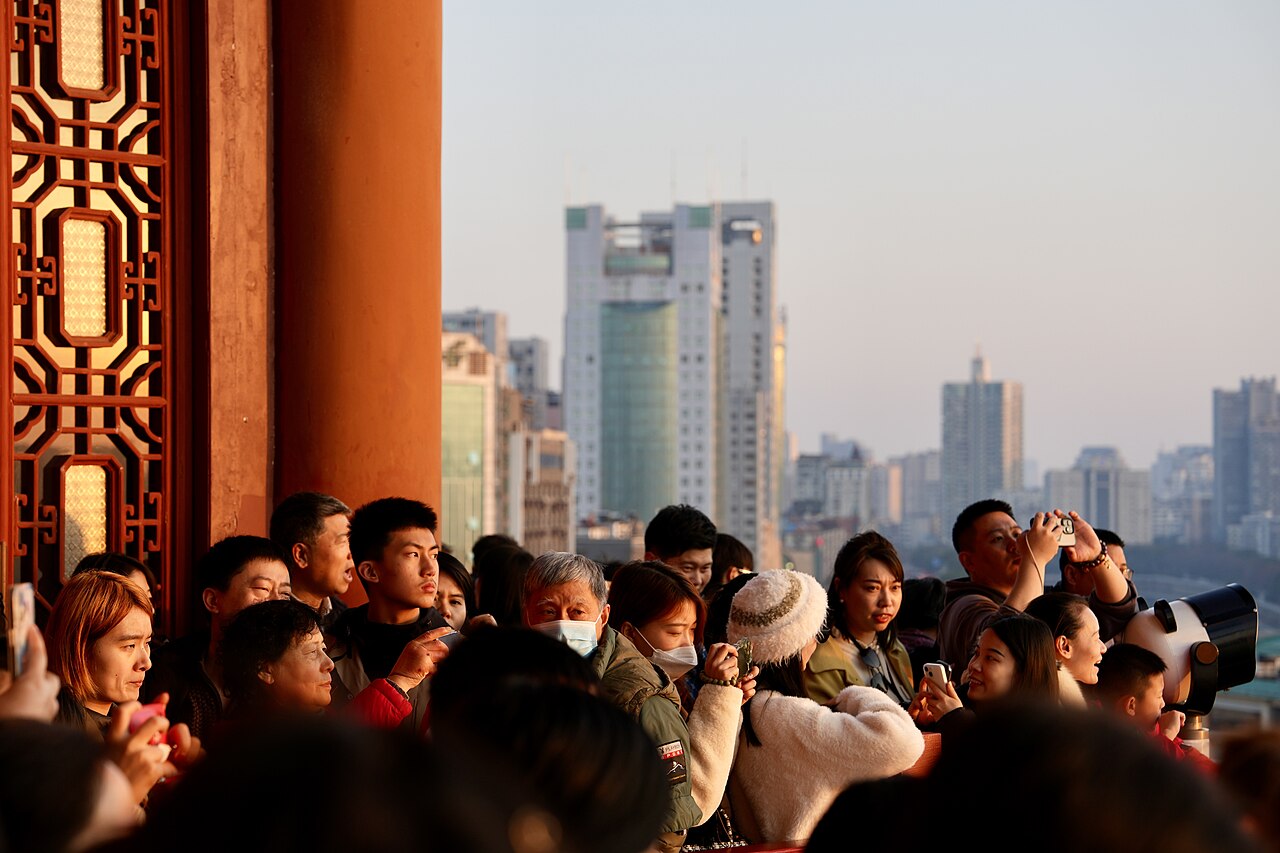
The free North Garden — Tang-style pavilions, bridges and a quiet water surface beside the river promenade — is the trending zero-cost photo spot, with the tower reflected in the pond once the lights come on. It is the place XHS users send hanfu-wearing friends in the daytime and long-exposure shooters at night. Enter directly opposite the Mecure hotel; don't accidentally queue at the paid south gate.
Xinzhou Culture Plaza & the Riverside Promenade
Walk a few minutes along the Gan River waterfront to Xinzhou Culture Plaza and you get the classic side-on panorama: the pavilion, the river and the Bayi Bridge lit up in one frame, with almost no crowds. XHS shooters say a 3x phone lens or a 70mm works perfectly here. It is the best free spot for the 19:30 and 20:30 facade projection shows — with the caveat that during a show only half the tower is lit.
The Lantern Wall & the 'Nanchang' Sign
Inside the scenic area, rows of red lanterns stamped with 'Tengwang Pavilion' and 'Hongdu' line the walls, and a red-and-white 'Nanchang' signboard sits near the main pavilion. Both are the go-to human-interest shots in August feeds — warm lantern glow against the ancient eaves, best with a low-angle that frames lanterns and roof together. The lanterns stay lit until the complex closes around 10:30pm.
Arrive 17:00–18:00 to catch sunset plus blue hour; use metro Wanshou Palace station, not Tengwang Pavilion station, or you'll walk 15 extra minutes; for the fully lit tower wait until after 21:30 — during the 19:30/20:30 projection shows the facade dims to one side; carry SPF50+, a foldable umbrella and a mini fan, and do the indoor galleries at midday.
Getting there
- Metro Line 1 to Tengwang Pavilion station, exit directly at the site
- Ten minutes by taxi from Nanchang railway station
- First built
- 653 AD (Tang dynasty)
- Rebuilt
- 29 times; current structure 1989
- Height
- 57.5 m, nine floors