
Why go
Roujiamo's history is ancient — some claim the idea dates to the Qin dynasty, when a general fed his troops this portable, filling bread-and-meat combo on campaign. The bread, mo, is a Shaanxi speciality: a dense, round wheat bun toasted against the side of a barrel oven until blistered and crisp.
The meat is the other half of the equation: pork belly simmered for hours in a broth of soy, star anise, cinnamon and ginger, then chopped — skin, fat and lean together — and mixed with the braising juice. The bun is split, packed with meat, and the whole thing holds together just long enough to eat.
- Order the bun freshly toasted — crisp outside, soft inside
- The classic is pure pork (chun) — not the lean-only version
- Add a drizzle of the braising juice for extra flavour
- Pairs perfectly with a bowl of liangpi (cold noodles)
How to eat it
Hold it firmly — the filling will try to escape. The first bite should give you crunch, then the shock of hot, savoury pork fat. Many Xi'aners pair it with a bowl of suan tang (vinegar broth) or a cold plate of liangpi noodles. If you want it spicier, ask for qing jiao (green chilli) mixed in.
Where to find the best
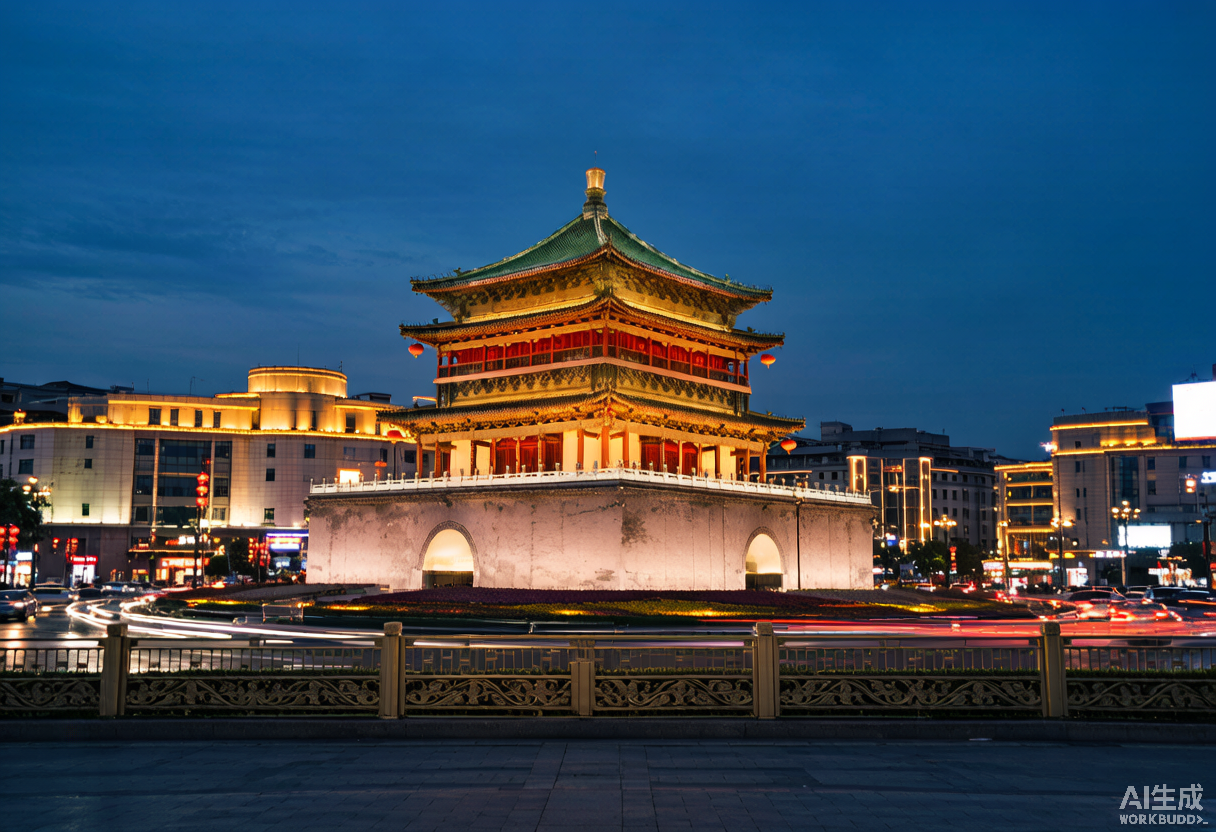
The Muslim Quarter around the Drum Tower has dozens of competing stalls; look for the ones where the meat is chopped to order and the buns are toasted in front of you. Two famous names are Fan Ji (樊记) for the classic pork version and Old Sun Jia (老孙家) nearby. Prices run 8–15 RMB and quality is judged by the juiciness — a dry roujiamo is a sad one.
Getting there
- In Xi'an, the Hui Muslim Quarter near the Drum Tower is the epicentre of roujiamo stalls
- Structure
- Toasted wheat bun stuffed with braised pork
- Style
- Xi'an halal and Han versions both thrive
- Price
- 8–15 RMB