The world's best high-speed rail network, metros in every major city, and ride-hailing that beats taxis.
Reviewed 2026-08
Scan the QR code — open this page on your phone anytime
Scan to save
Point your phone camera at the code to open this page on your phone. Then bookmark it, or add it to your Home Screen for one-tap access.
pandapanda.group
High-speed rail: the backbone
Why trains beat flying
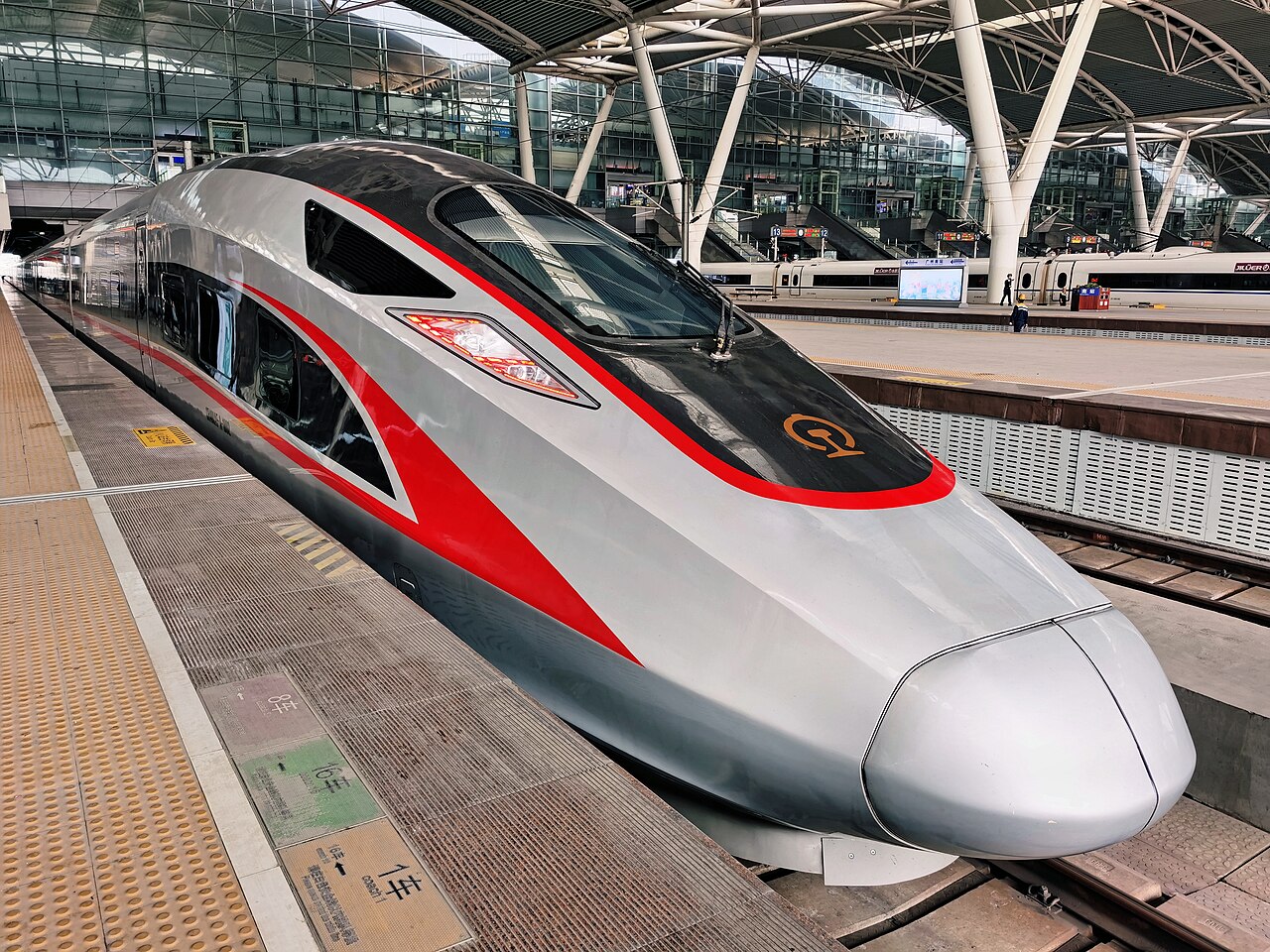
China's high-speed rail network is the largest on Earth, connecting every major city at up to 350 km/h. Beijing-Shanghai (1,318 km) takes 4.5 hours; Beijing-Xi'an 4.5; Shanghai-Hangzhou just 45 minutes. City-centre to city-centre, trains beat planes for nearly every route under 1,200 km once you count airport transfers and security queues.
Trains are punctual to the minute, comfortable, and stations are immaculate.
Booking with a foreign passport
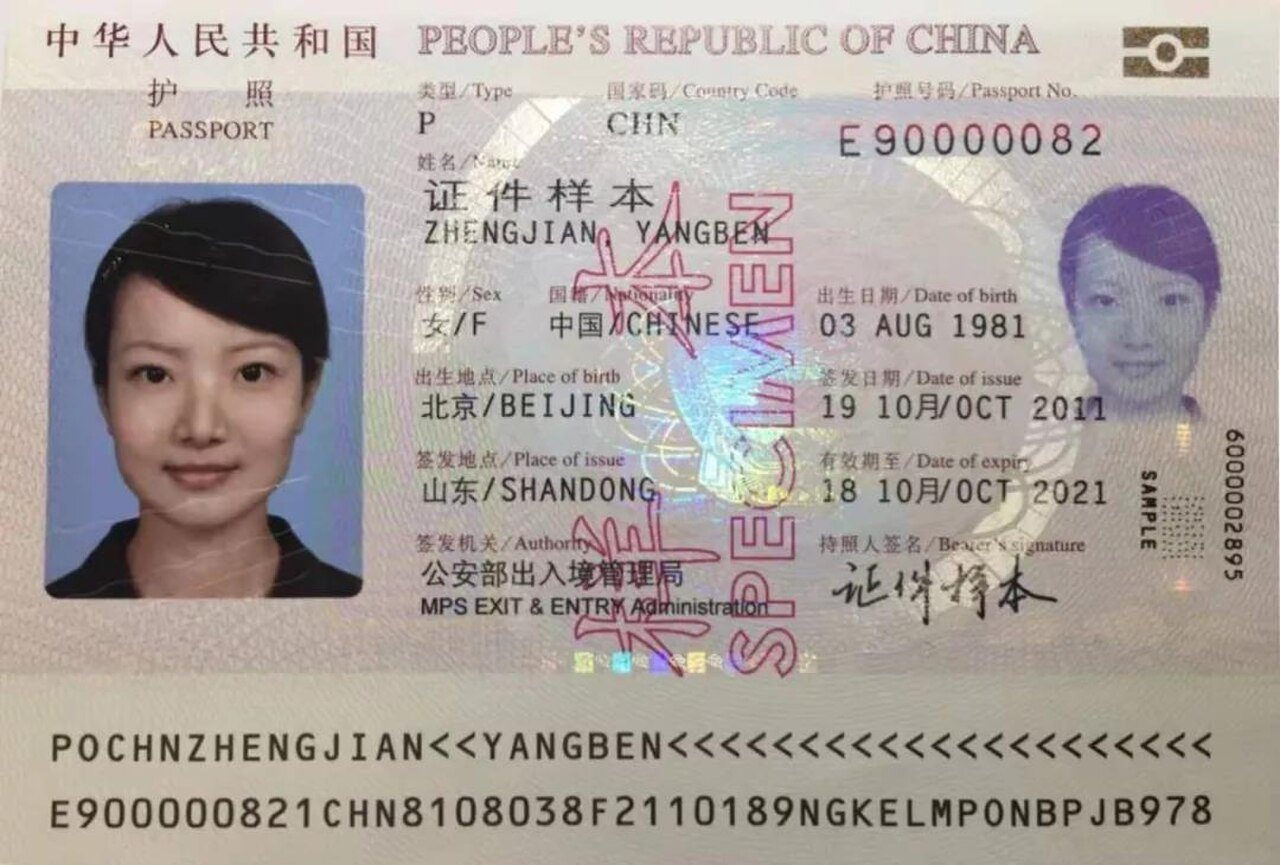
Book on 12306.cn (official), the Trip.com app, or any reseller — all accept foreign passports. You'll enter your passport number at booking and show the same passport at the gate; name and number must match exactly.
Trip.com adds a small service fee but has a flawless English interface and instant e-ticket delivery. 12306 is cheapest but harder to navigate.
Book 3-14 days ahead for popular routes (Beijing-Shanghai, Chengdu-Chongqing sell out)
You can buy tickets up to 15 days before departure (sometimes 20+ days on resellers)
Tickets are tied to your passport — don't lose it
Collect paper tickets only if needed for reimbursement; e-tickets work at the gates
Seat classes decoded
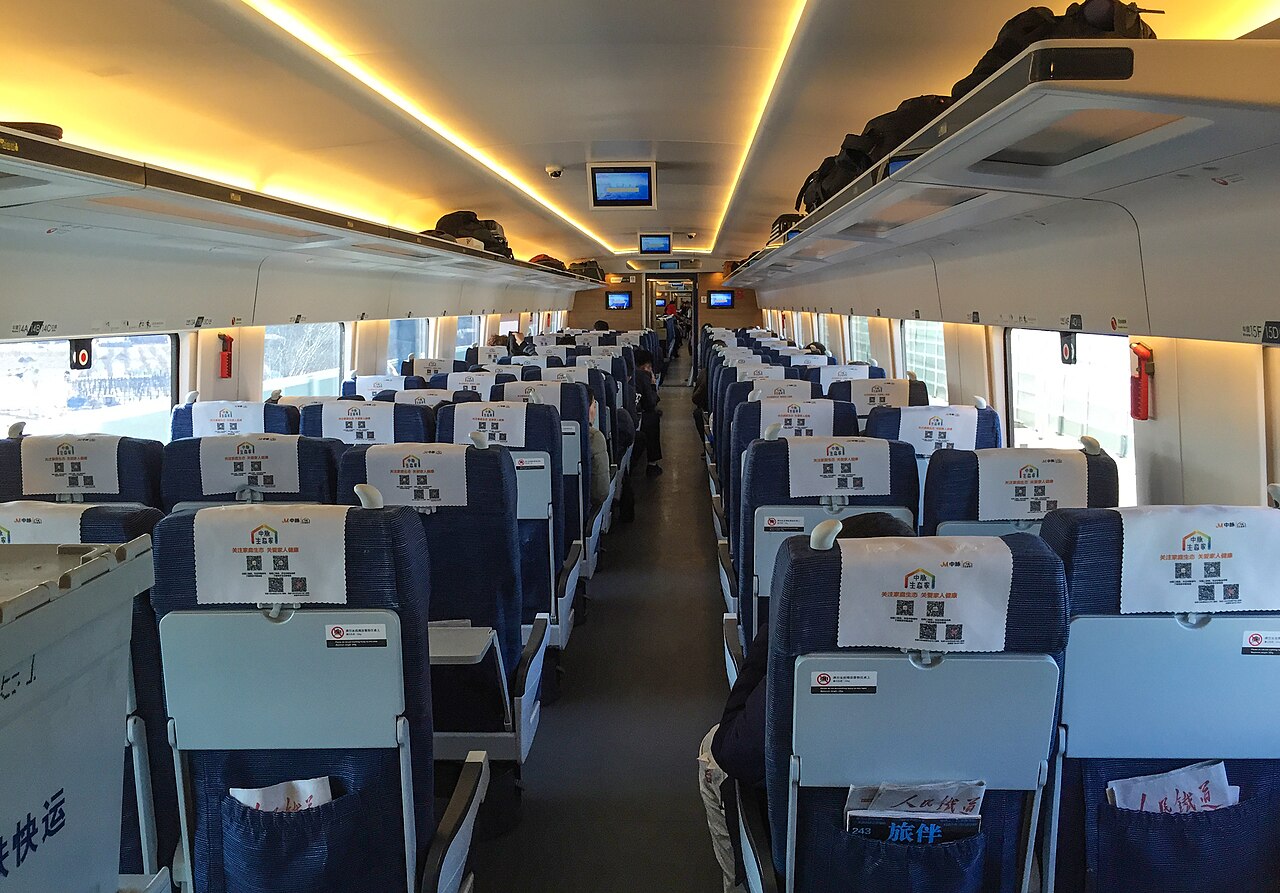
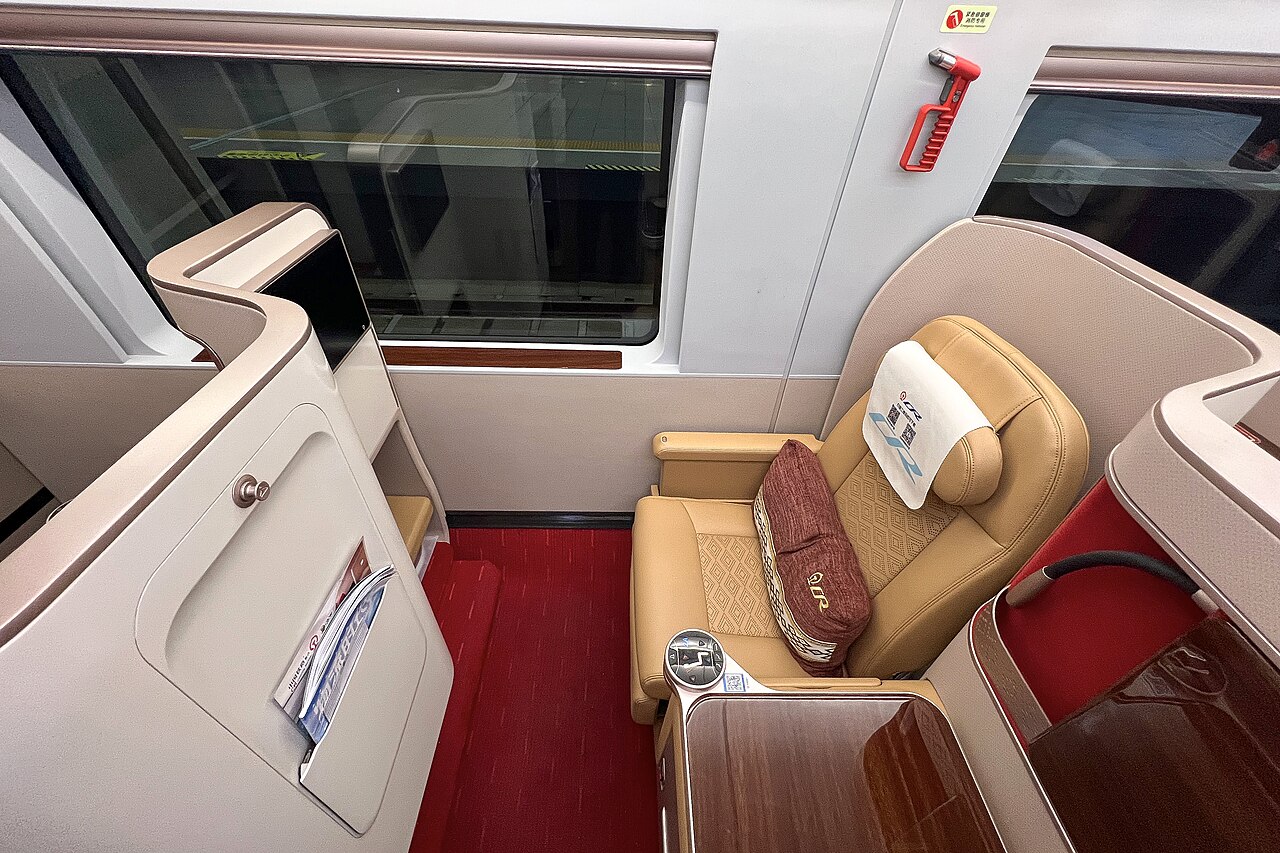
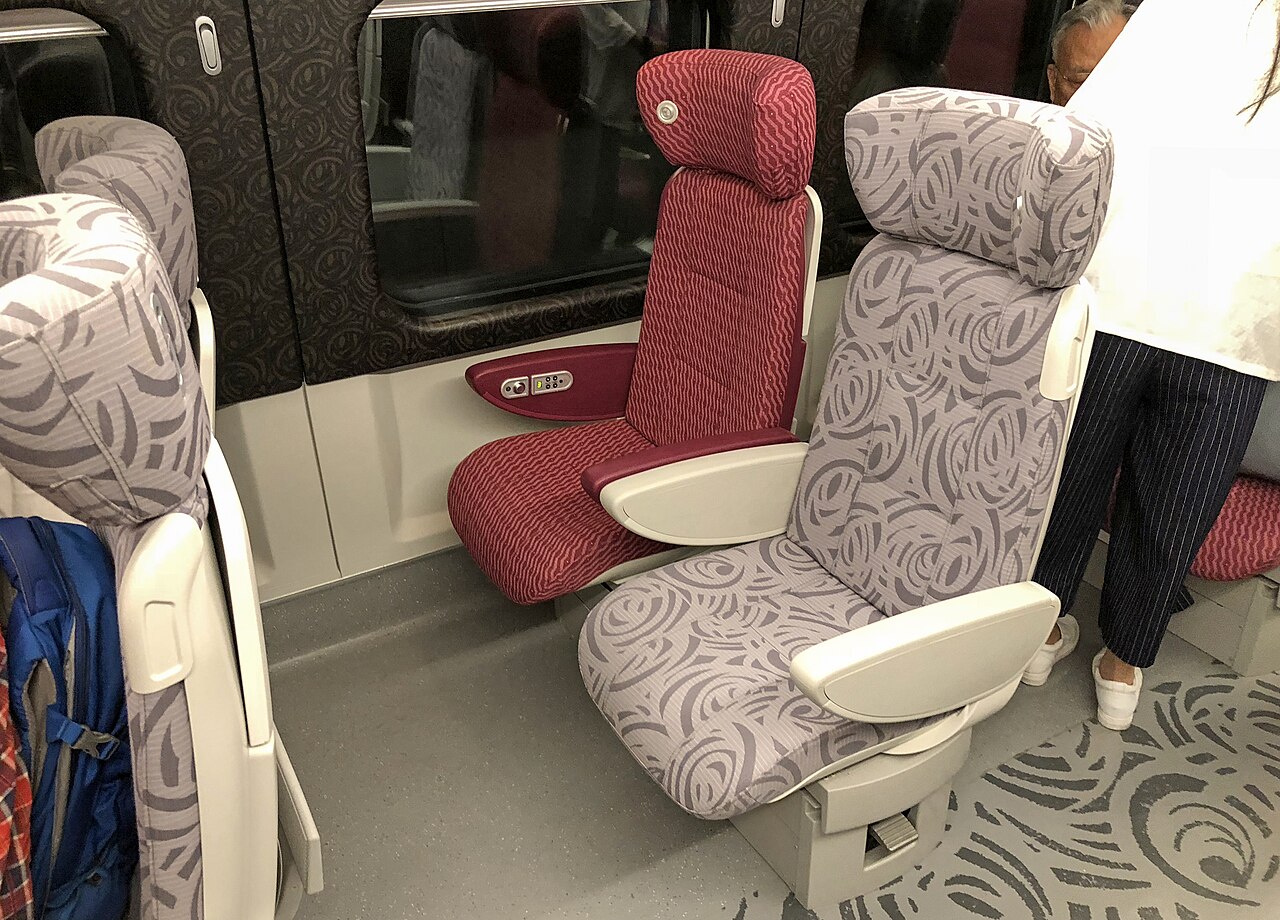
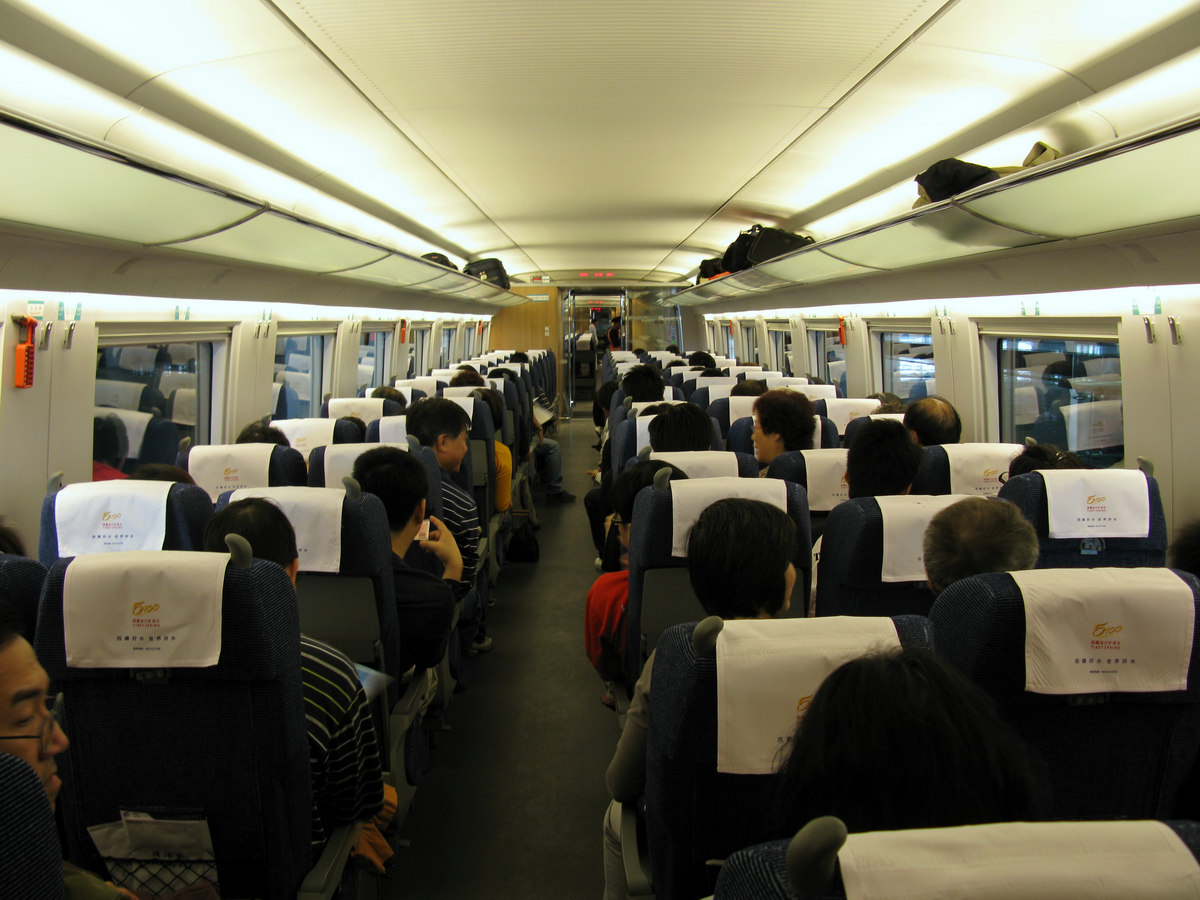
Second class is a comfortable reclining seat — plenty for most trips. First class adds width and legroom; business class is a lie-flat pod on flagship routes. For 3+ hour journeys, pay the small upgrade to first class; your back will thank you.
The table below compares the three classes with real photos, seat widths and typical fares.
Class
Photo
Layout
Seat width
Recline
Typical fare (Beijing–Shanghai)
Best for
Business class
2+1 per row
≈ 55 cm
Lie-flat (180°)
≈ ¥1,748
Lie-flat comfort on long flagship routes
First class
2+2 per row
≈ 48–50 cm
≈ 30° recline
≈ ¥933
Worth the upgrade on 3+ hour trips
Second class
3+2 per row
≈ 43 cm
≈ 20° recline
¥526–673
Great value for most journeys
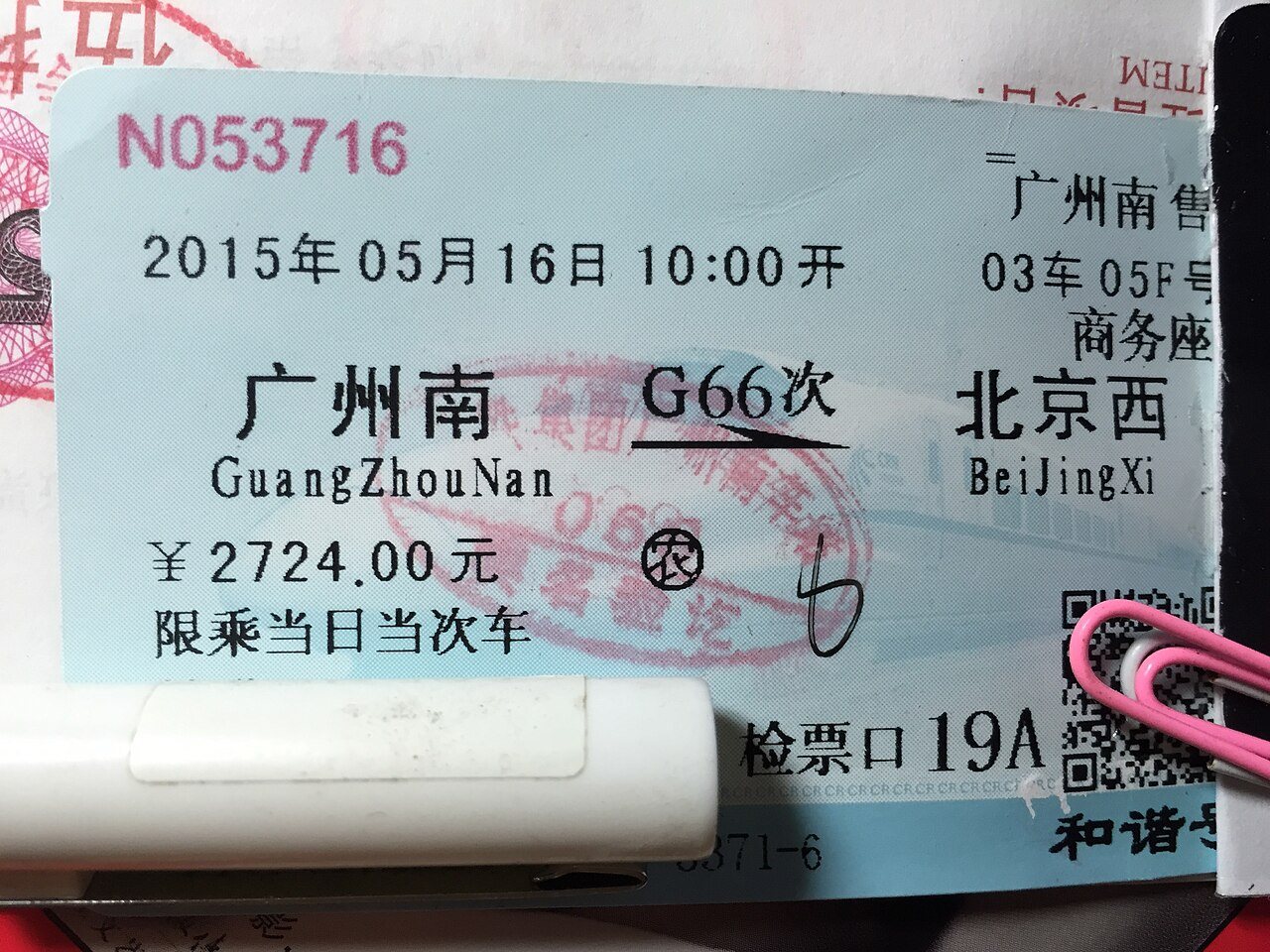
Fares are typical one-way prices on the Beijing–Shanghai route (2026); second-class tickets vary by train — the ¥553 ticket above is a mid-range example.
At the station
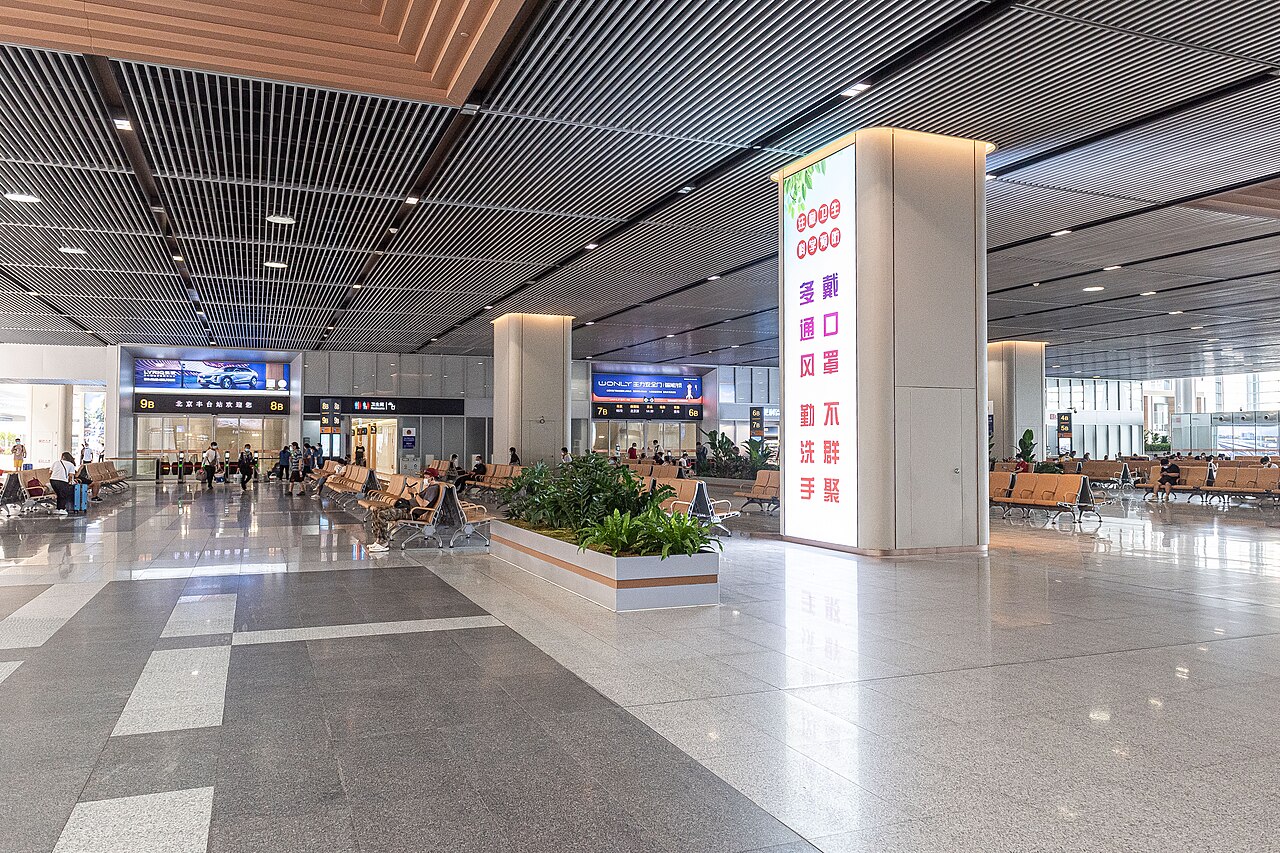
Arrive 30-40 minutes before departure. Stations are huge: find the right waiting hall (there are often 20+ gates), and note that security screening happens before you reach the platforms — laptops out, just like airports. Your ticket shows the boarding gate on departure screens; check them, not your memory.
Big stations have separate entrances for different directions — read the signage. When in doubt, show your ticket to staff.
Metros, buses and getting around cities
Metro: fastest and cheapest
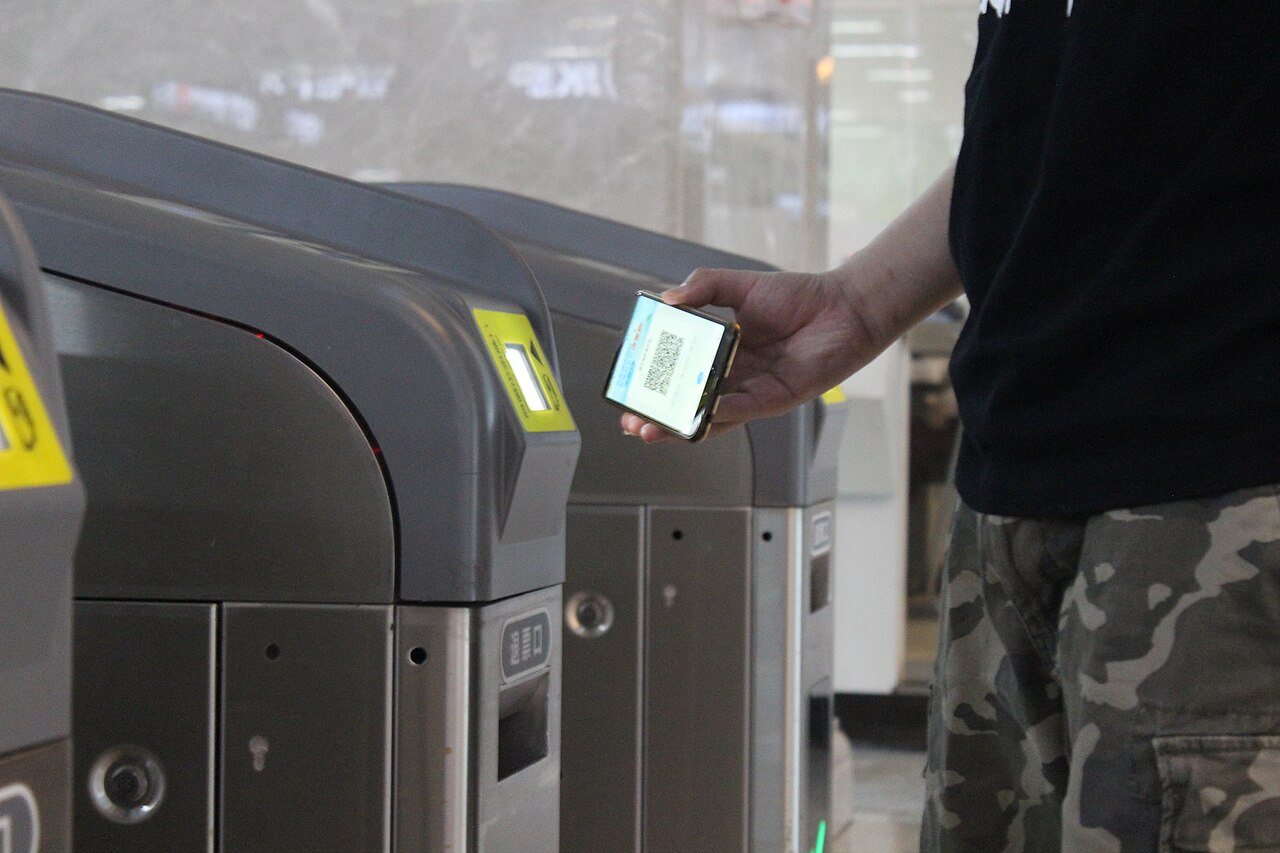
Every major city has a modern metro. Fares run ¥3-8. You can enter with Alipay/WeChat QR codes (Transport → Metro), contactless bank cards, or a transit card. The QR route is simplest: open Alipay, tap the transport icon, scan at the gate.
Metro maps are in English and Chinese; station announcements are bilingual in tourist cities.
Buses and the bus card
Buses cost ¥1-2 and cover everywhere the metro doesn't. Pay by scanning the same QR code or waving a transit card. Routes and stops are bilingual in major cities; in smaller towns, save a screenshot of your destination's Chinese name to show the driver.
Some buses are 'no-change' — exact fare or QR only.
Ride-hailing beats taxis
DiDi and Amap ride-hailing let you book with an Alipay/WeChat-linked account, show the driver's plate and your destination in the app, and charge the meter price automatically — no haggling, no language barrier. English UI is available in DiDi.
Taxi drivers rarely speak English and sometimes refuse short trips or meter-less fares in tourist areas. For peace of mind, always hail via app.
Shared bikes
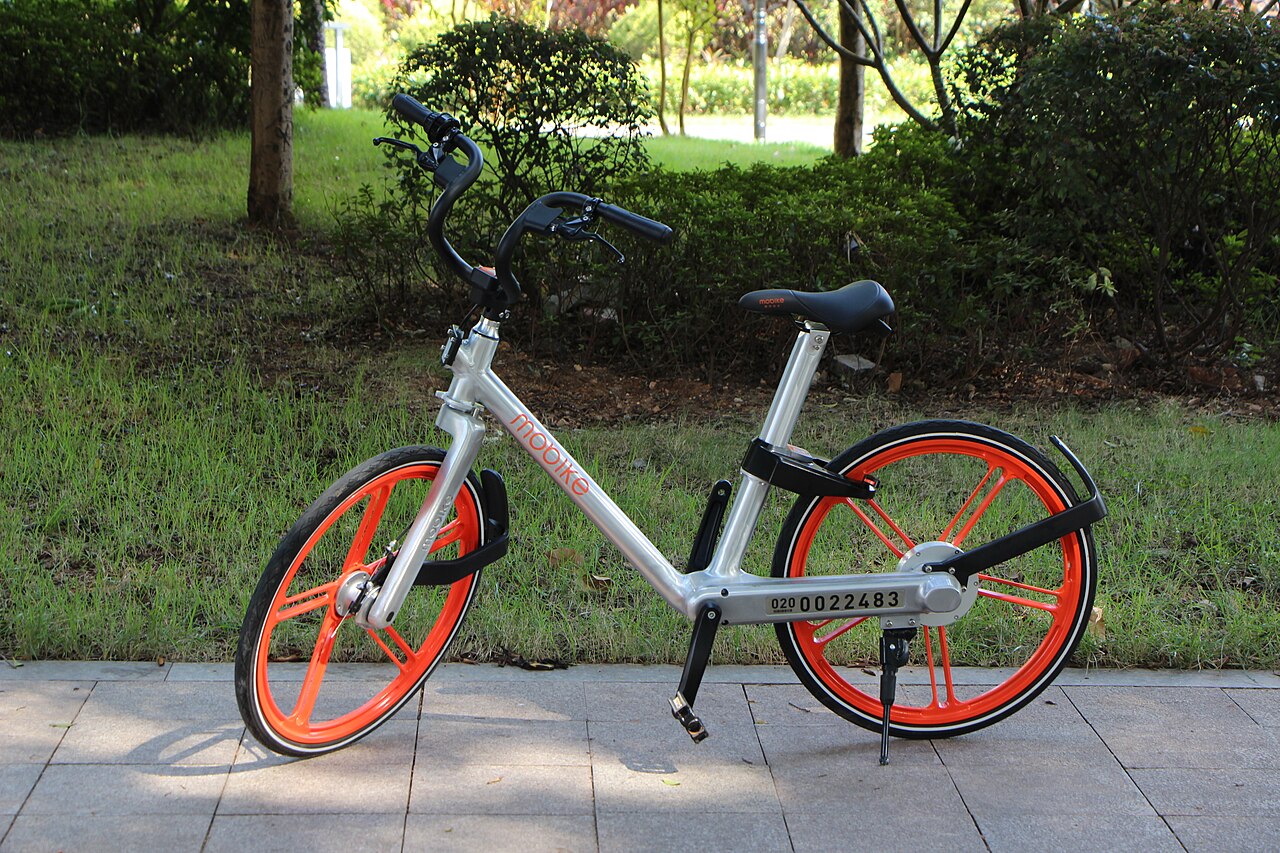
HelloBike, Meituan Bike and DiDi Bike cover city streets. Scan the QR with Alipay/WeChat, unlock for about ¥1.5 per 30 minutes, and park at designated racks. Perfect for the last kilometre to a hutong or riverfront promenade.
Register with your foreign number — verification is quick.
Airports and domestic flights
When flying still makes sense
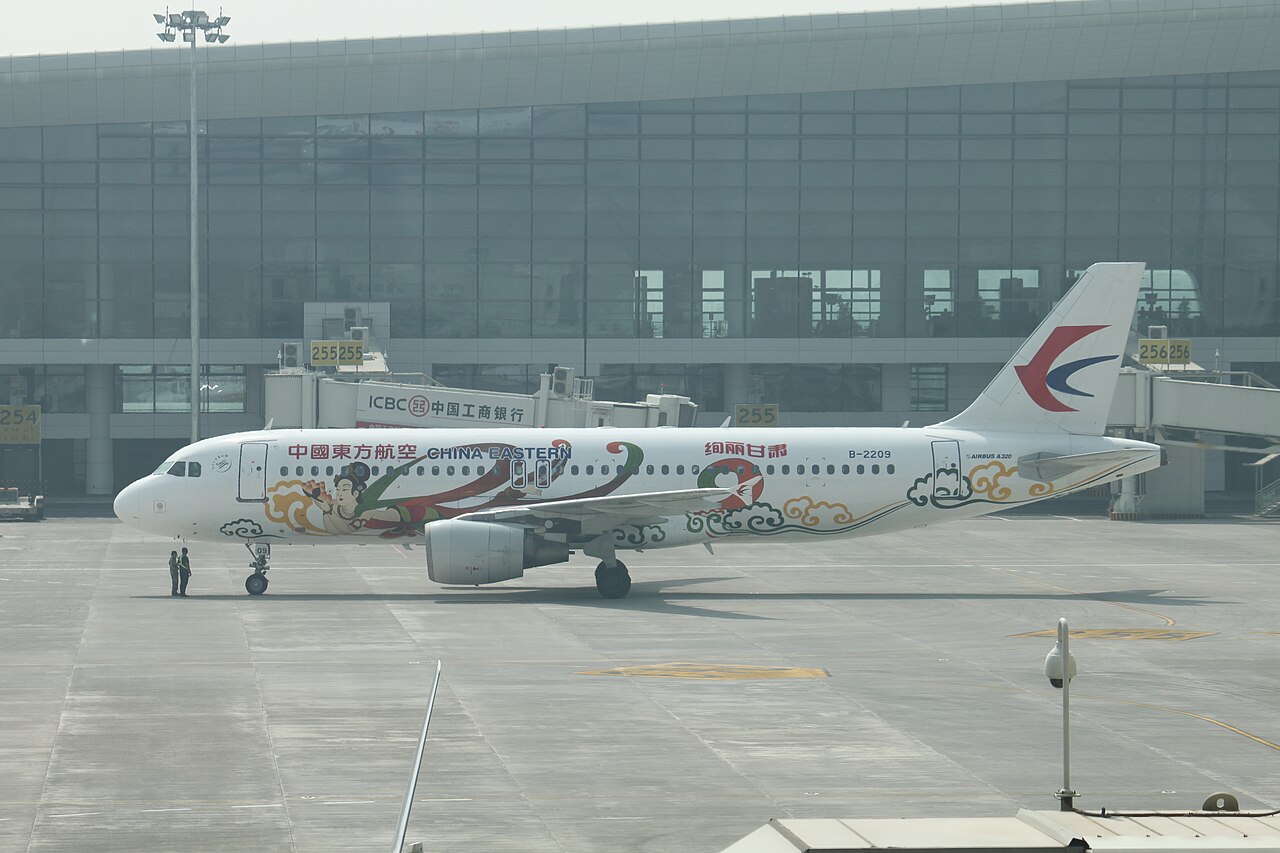
For routes over 1,200 km — Beijing-Urumqi, Shanghai-Kunming, Guangzhou-Harbin — flying is faster. Domestic fares are cheap (often ¥400-800) and flights are frequent. But factor in airport transfers: most big airports are 30-60 minutes from city centres.
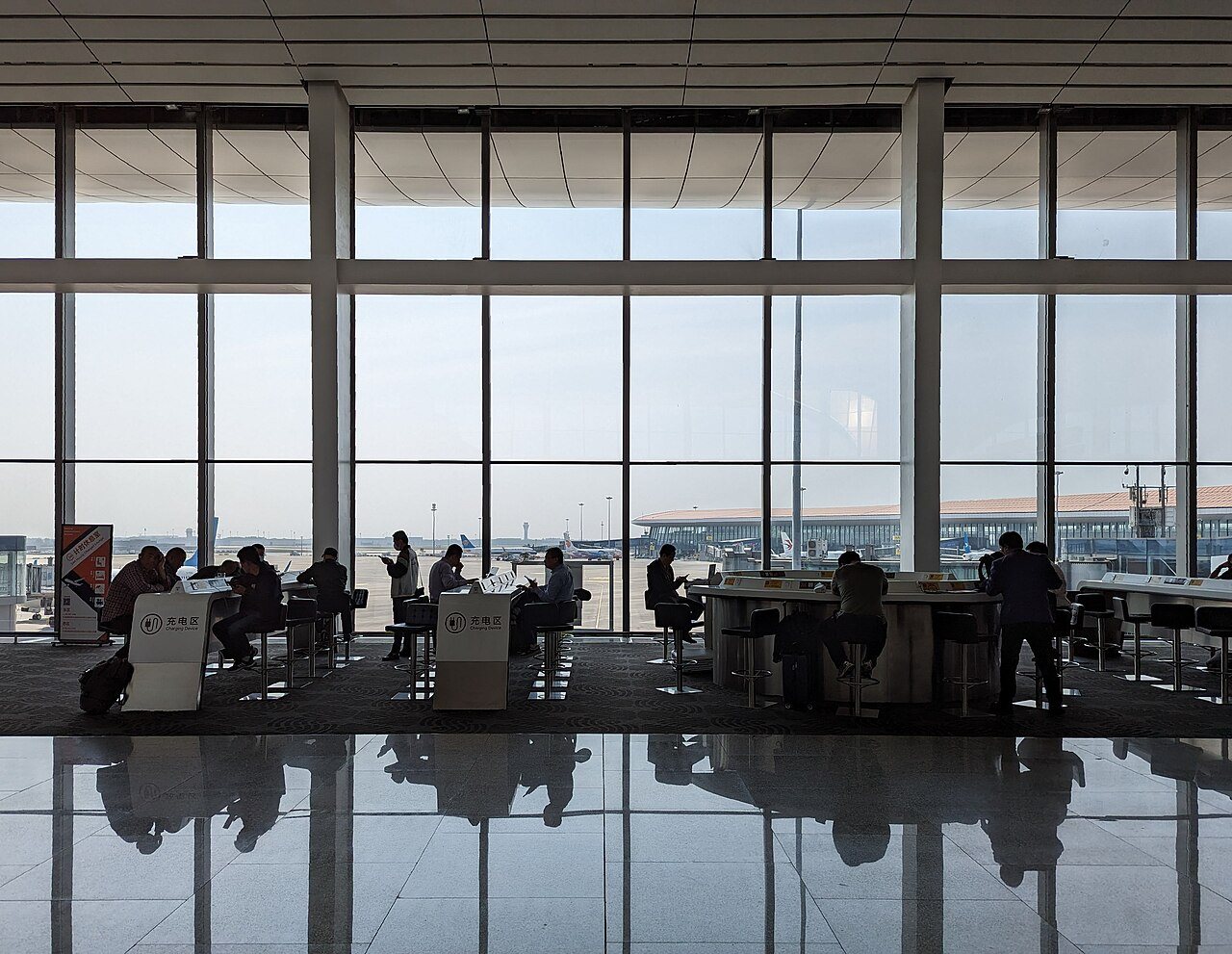
Domestic security is thorough; arrive 2 hours early. Liquids, batteries and power banks follow standard rules.
Airport transfers
Every major airport connects by metro or airport express (25-45 min, ¥20-30). Airport buses and ride-hailing are alternatives; taxis charge metered fares plus an airport surcharge. Avoid unofficial 'fixed-price' drivers at the arrivals exit — use the official taxi queue or an app.
Night trains and sleepers
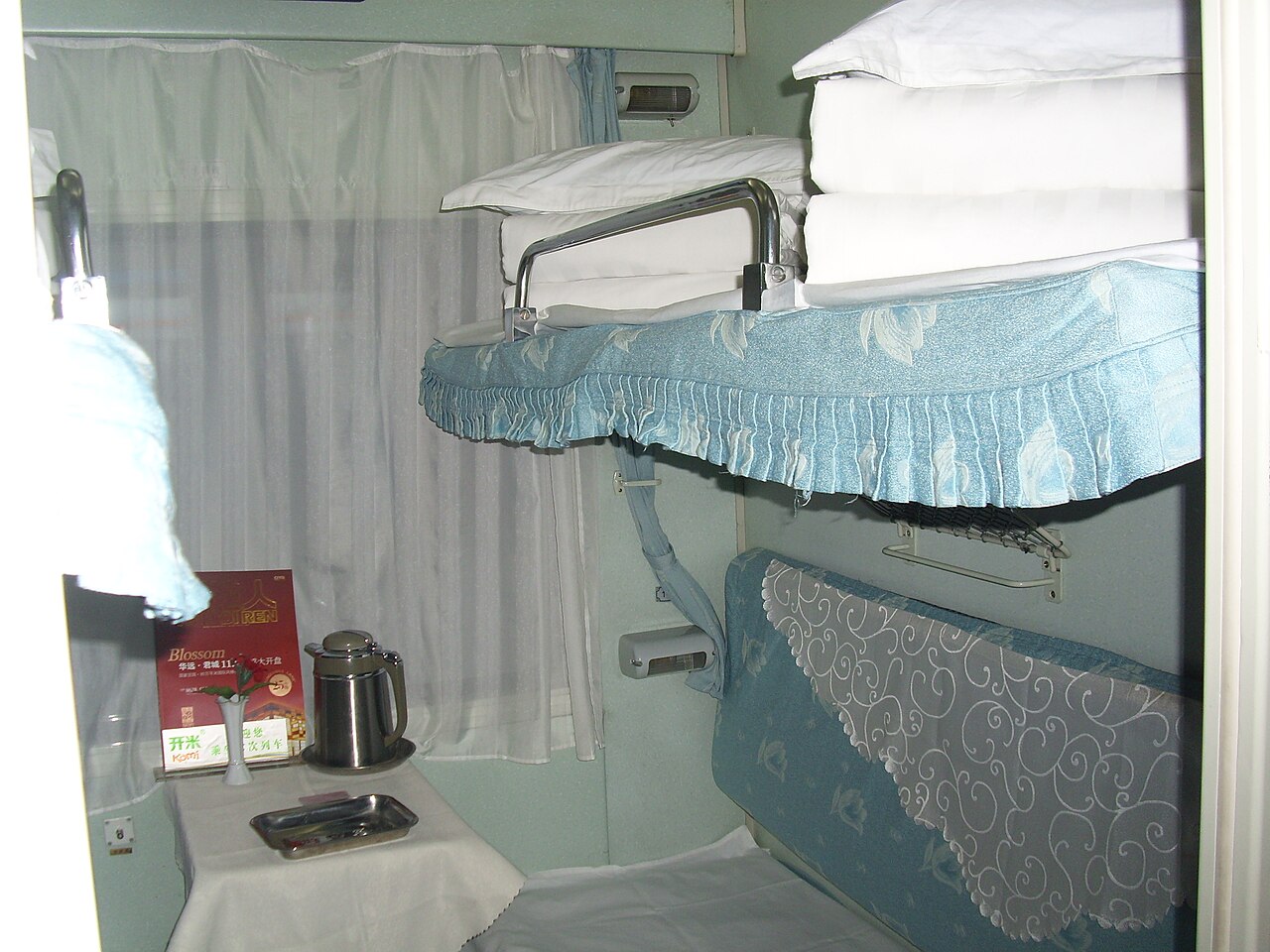
For a romantic (and practical) way to cover long distances, night trains with sleeper berths (hard sleeper / soft sleeper) link many cities. A soft sleeper gives you a private 4-berth cabin and saves a hotel night. Booking these needs planning — they sell out fast and require booking at least a week ahead.
Practical transport rules
ID at every step
Train gates, some long-distance buses and attractions require your passport (or the ticket app showing your passport-linked QR). Keep your passport photo on your phone as a backup, but carry the physical passport for boarding and hotel check-in.
A photocopy is not accepted for trains — original passport only.
Tickets and refunds
Train tickets are changeable once per ticket (same day) and refundable with a 5-20% fee depending on timing. Missed your train? Refund windows close once the train departs — change in the app first, then refund. Apps handle both with a few taps.
Scanning your passport at a self-service machine can also retrieve paper tickets.
Rush hours to dodge
Metro rush hours (7:30-9:30, 17:30-19:30) are shoulder-to-shoulder in Beijing, Shanghai and Guangzhou. Golden Week and Spring Festival see every train booked — travel between major hubs at least 3-4 days before the holiday starts.
Check the festival calendar in the Seasons module before locking your dates.
Read your Chinese train ticket
Chinese tickets are printed in Chinese only — but every ticket uses the same layout. Tap any field on the sample below to decode it, then search the glossary for anything you still can't read.
中国铁路 CHINA RAILWAYSample ticket
Tap a field to decode it
Your own ticket shows the same fields — just different train, time and seat.
Ticket & station glossary
Type any Chinese word from your ticket or the station screens — or search in English.
中文
pinyin
English
Where
车次
chēcì
Train number, e.g. G66 or D123
On your ticket
出发站
chūfā zhàn
Departure station
On your ticket
到达站
dàodá zhàn
Arrival station
On your ticket
开车
kāichē
Departure — the train departs
On your ticket
到达
dàodá
Arrival
On your ticket
经由
jīngyóu
Via — intermediate stops on the route
On your ticket
座席
zuòxí
Seat class and position
On your ticket
车厢
chēxiāng
Carriage / coach number
On your ticket
票价
piàojià
Fare / ticket price in yuan
On your ticket
全价
quánjià
Full price (not discounted)
On your ticket
报销凭证
bàoxiāo píngzhèng
Reimbursement voucher — the paper ticket for expenses
On your ticket
订单号
dìngdān hào
Booking order number
On your ticket
限乘当日当次车
xiàn chéng dāngrì dàngcì chē
Valid only for the date and train printed
On your ticket
儿童票
értóng piào
Child ticket
On your ticket
学生票
xuésheng piào
Student ticket (needs a student ID)
On your ticket
二等座
èr děng zuò
Second class — standard seating
Seats & carriages
一等座
yī děng zuò
First class — wider, more legroom
Seats & carriages
商务座
shāngwù zuò
Business class — lie-flat pods on flagship routes
Seats & carriages
无座
wú zuò
No seat / standing ticket
Seats & carriages
硬座
yìng zuò
Hard seat — regular seat on classic trains
Seats & carriages
软卧
ruǎn wò
Soft sleeper — private 4-berth cabin
Seats & carriages
硬卧
yìng wò
Hard sleeper — open 6-berth compartment
Seats & carriages
靠窗
kào chuāng
Window seat
Seats & carriages
过道
guòdào
Aisle
Seats & carriages
座位号
zuòwèi hào
Seat number
Seats & carriages
候车室
hòuchē shì
Waiting room / hall
At the station
站台
zhàntái
Platform
At the station
进站口
jìnzhàn kǒu
Station entrance
At the station
出站口
chūzhàn kǒu
Exit
At the station
换乘
huànchéng
Transfer / change trains
At the station
便捷换乘
biànjié huànchéng
Quick transfer without leaving the station
At the station
刷证进站
shuā zhèng jìnzhàn
Scan your ID / passport to enter
At the station
人工通道
réngōng tōngdào
Staffed passage — for passports and problems
At the station
自助售票机
zìzhù shòupiào jī
Self-service ticket machine
At the station
取票
qǔ piào
Collect your ticket
At the station
正晚点
zhèng wǎndiǎn
On-time / delay status board
At the station
晚点
wǎndiǎn
Delayed
At the station
停靠站
tíngkào zhàn
Stops at — stations the train calls at
At the station
改签
gǎiqiān
Change / rebook your ticket
Booking & changes
退票
tuì piào
Refund your ticket
Booking & changes
实名制
shímíng zhì
Real-name system — tickets need a real ID
Booking & changes
铁路12306
tiělù 12306
China Railway's official booking system
Booking & changes
No matches — try fewer letters, or show the ticket to station staff.
Quick answers
Can I buy train tickets at the station?
Yes — ticket windows accept passports, but queues are long and popular trains sell out. Book in the app 3+ days ahead whenever possible.
Do I need to print a paper ticket?
No. Your passport is your ticket: gates read the passport or a QR from the booking app.
Is DiDi available in English?
Yes — DiDi's app has an English interface for foreign users, and you can type your destination or use the map pin.
How early should I arrive at the train station?
30-40 minutes for big stations (security + finding the right hall). For Beijing South or Shanghai Hongqiao, give yourself 45 minutes.