
Why go
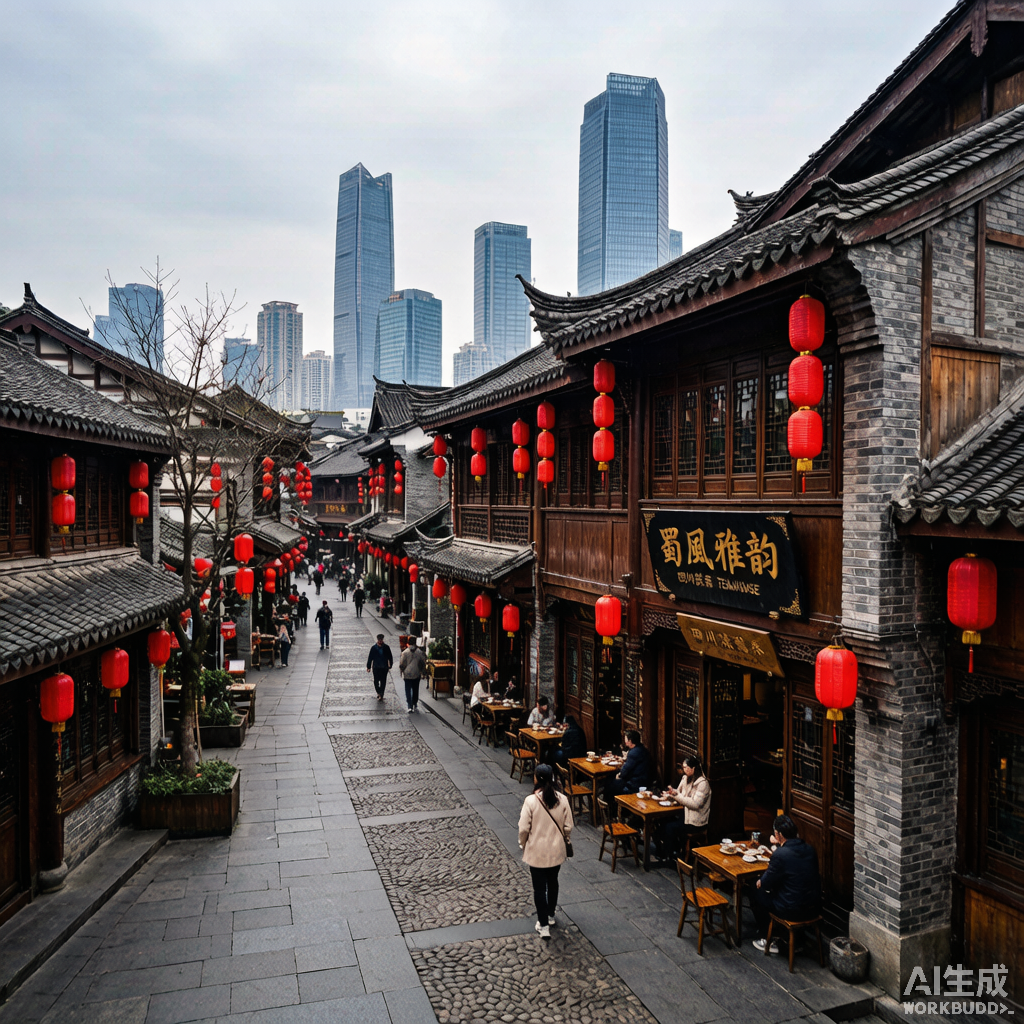
Sichuan's isolated, fertile basin grew a culture quite distinct from northern China — richer, wittier, and more sensual — and this museum captures that difference. It's calmer than the Jinsha or Sanxingdui museums, with broad galleries and virtually no queues.
- Han dynasty pictorial bricks — everyday life in ancient Sichuan, pressed into clay
- Buddhist carvings saved from the province's cliff-side temples
- Outstanding Tibetan and Yi minority galleries, rarely seen elsewhere
- Free admission and an easy walk from Du Fu Cottage and Huanhuaxi Park
What to look for
The Han pictorial bricks are the most charming things here: 2,000-year-old clay tiles stamped with scenes of farmers, brewers, salt wells, and banqueting hosts. The Buddhist sculpture gallery gathers stone carvings from sites across the province, many rescued from eroding cliff temples. Upstairs, the ethnic minority galleries hold Tibetan bronzes, thangka paintings, and Yi embroidery — one of the best such displays in China. Zhang Daqian's copies of the Dunhuang murals are another draw when on display.
Plan your visit
Two hours is plenty. Combine the museum with Du Fu's Thatched Cottage next door and a stroll through Huanhuaxi Park for a gentle half-day of Chengdu culture. Tea drinkers should note the park's bamboo groves hide several inexpensive teahouses — the classic Chengdu wind-down after museum legs set in.
Getting there
- Metro Line 4 to Caotang Road station, then a 10-minute walk south through Huanhuaxi Park; or bus 19/35/82 to the museum stop
- Collection
- 260,000+ objects
- Signature
- Han pictorial bricks and Buddhist carvings
- Admission
- Free (passport required)