
Why go
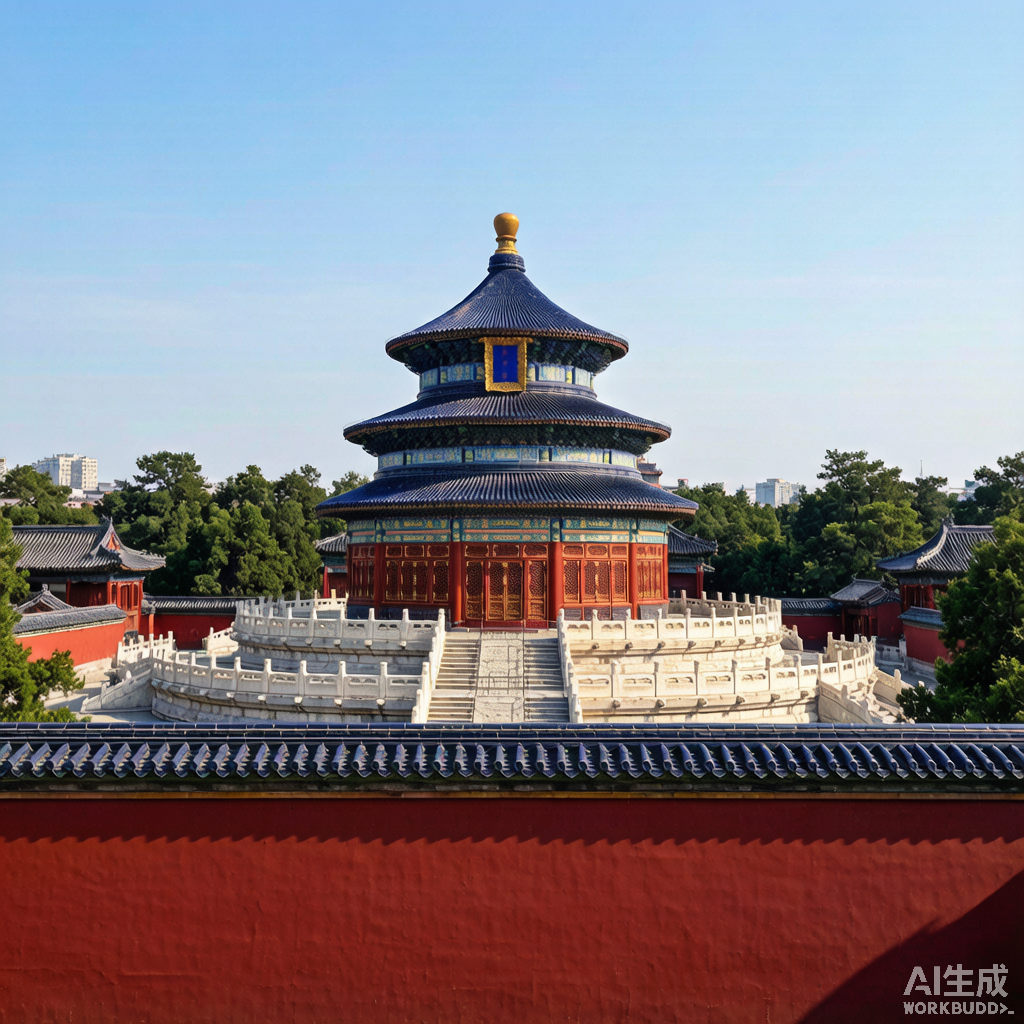
Unlike the Forbidden City's golden squares, the Temple of Heaven is built in circles — the heavens' shape. The Hall of Prayer stands on three white terraces, its blue roof tiles matching the sky, with no single nail holding its great wooden frame together.
The emperors came here for one reason: the harvest. The altars and halls form a processional route from the sacred world to the imperial one, designed so that the emperor stood at the exact centre of the universe.
- The Hall of Prayer for Good Harvests — the blue-tiled icon of Beijing
- The Echo Wall and the Circular Mound Altar
- The surrounding park: the best people-watching in the city
- The corridor where morning choirs gather
Where to go
Enter from the East Gate and walk the line from the Circular Mound Altar, through the Echo Wall and the Imperial Vault, to the Hall of Prayer. Then drift into the park itself — the morning groups near the north gate are the city's best free performance.
Practical notes
The park is enormous and the halls are at its centre — wear walking shoes. Visit in the morning for the park's daily life, or late afternoon for the golden light on the blue roofs. Combine with a hutong lunch nearby.
What to See — Aug 2026 Picks
The Temple of Heaven is not a temple but a sacrificial complex, where Ming and Qing emperors prayed for good harvests. It is also Beijing's most photogenic park, with the blue-tiled Hall of Prayer as the city's skyline symbol.
Everything is arranged on a north–south axis: the Circular Mound Altar where emperors 'reported to heaven', the Imperial Vault with its famous echo wall, the raised Danbi Bridge, and the Hall of Prayer at the far end. Walk the axis from south to north and finish at the landmark.
Hall of Prayer for Good Harvests (Qiniandian)
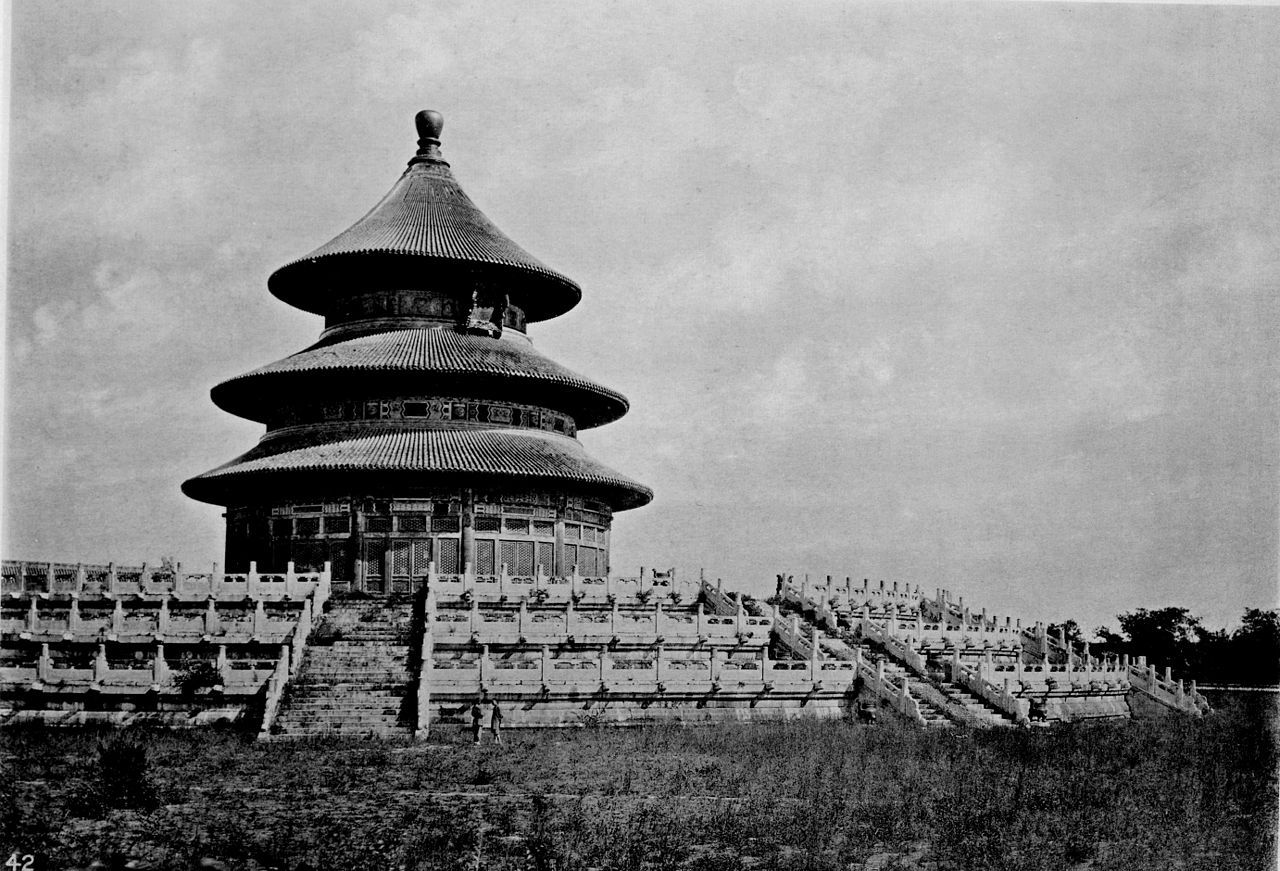
The triple-eaved, blue-tiled circular hall is the image most people picture when they think of Beijing. Built without a single nail, its 28 pillars symbolise the seasons, months and hours of the year.
The classic shot is from directly south on the Danbi Bridge, or from the east lawn where the hall reflects in the small pools. Just after opening (6:00) the light is soft and the plaza nearly empty.
Circular Mound Altar (Huanqiu Tan)
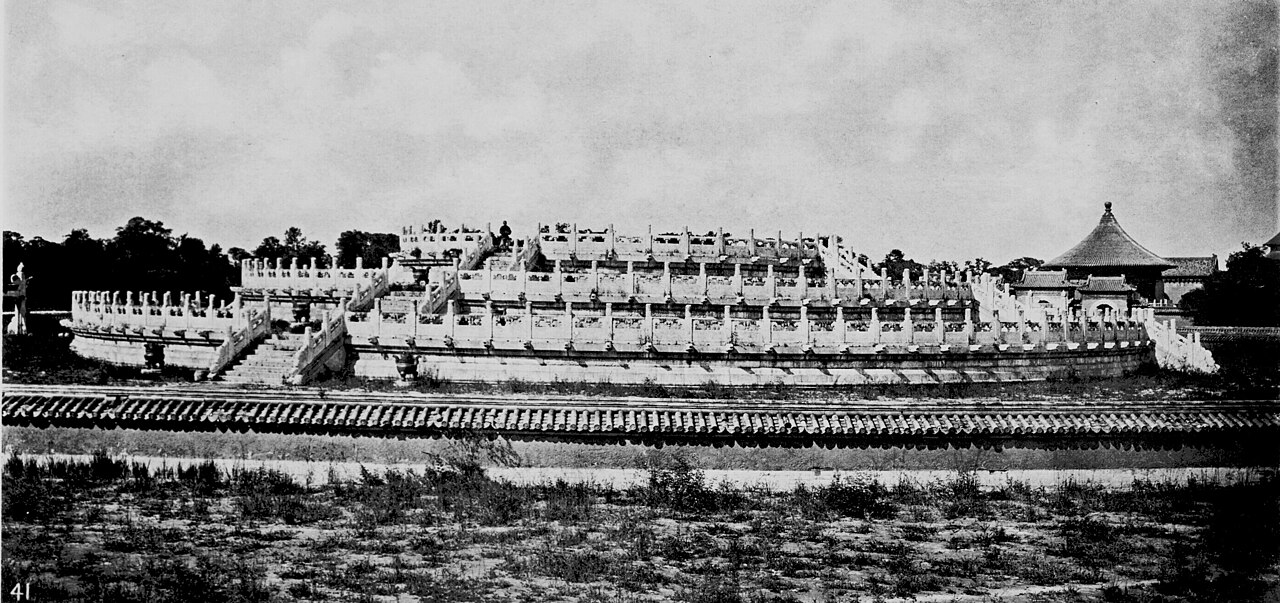
A three-tiered white marble platform open to the sky, where the emperor performed the winter solstice sacrifice. Stand on the central Heart of Heaven Stone (Tianxin Shi) and speak — your voice bounces off the surrounding balustrades and returns amplified, a trick the builders designed deliberately.
It is the park's most visited 'sound experience', so arrive early or late to try it without a queue of tourists doing the same.
Imperial Vault of Heaven & Echo Wall (Huangqiongyu)
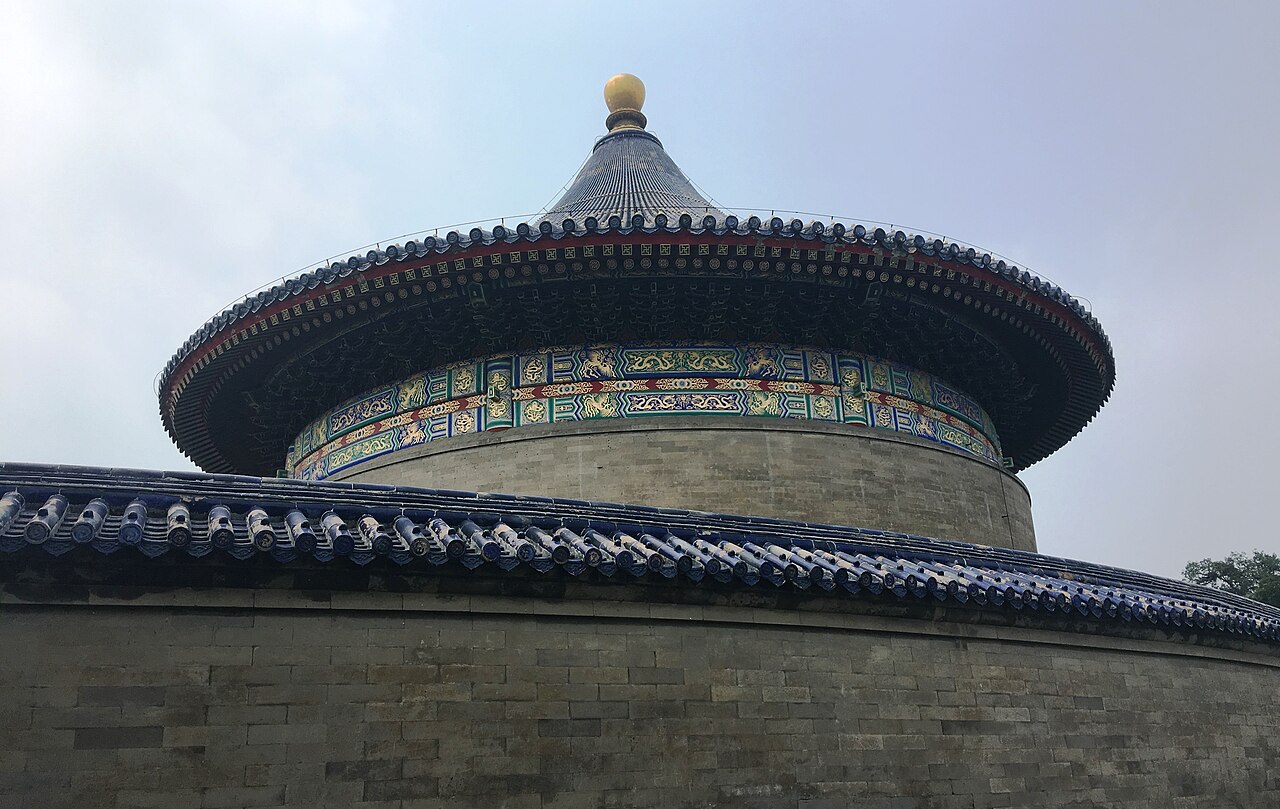
The small round hall that housed the altar's spirit tablets, wrapped by the Echo Wall — a 65-metre circular wall where a whisper at one point can be heard at the exact opposite point.
The vault's blue roof and the wall's deep red make this the moodiest spot in the complex for photos, especially in the late afternoon when the light grazes the tiles.
Danbi Bridge (Danbi Qiao)
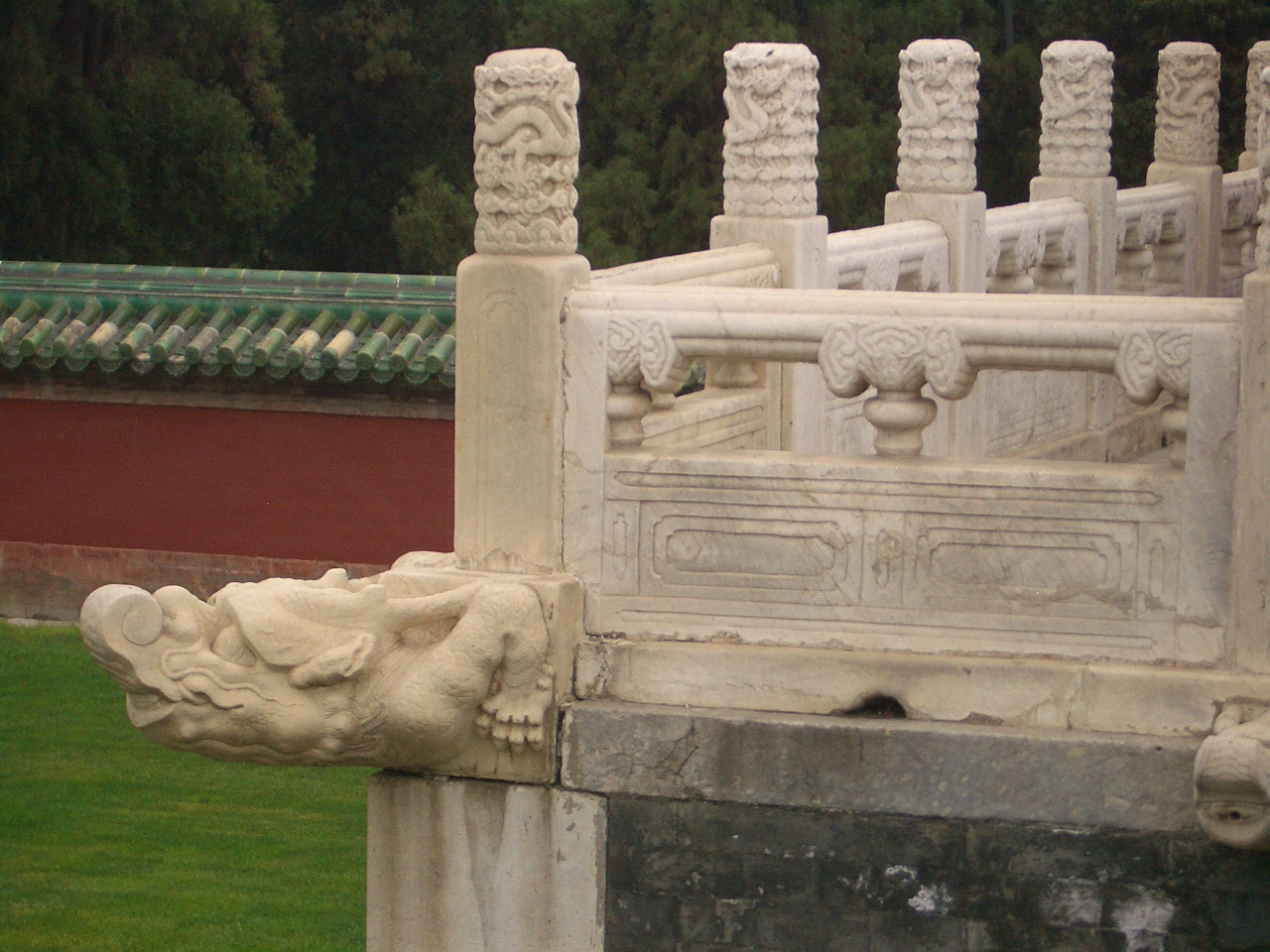
A 360-metre raised stone walkway connecting the altars — the 'Sacred Way' only the emperor could use. The central stone slab was for the emperor's sedan chair; officials walked the sides.
It runs dead straight to the Hall of Prayer, making it the best spot for a long-perspective shot of the blue-roofed landmark at the far end.
Abstinence Palace (Zhaigong)
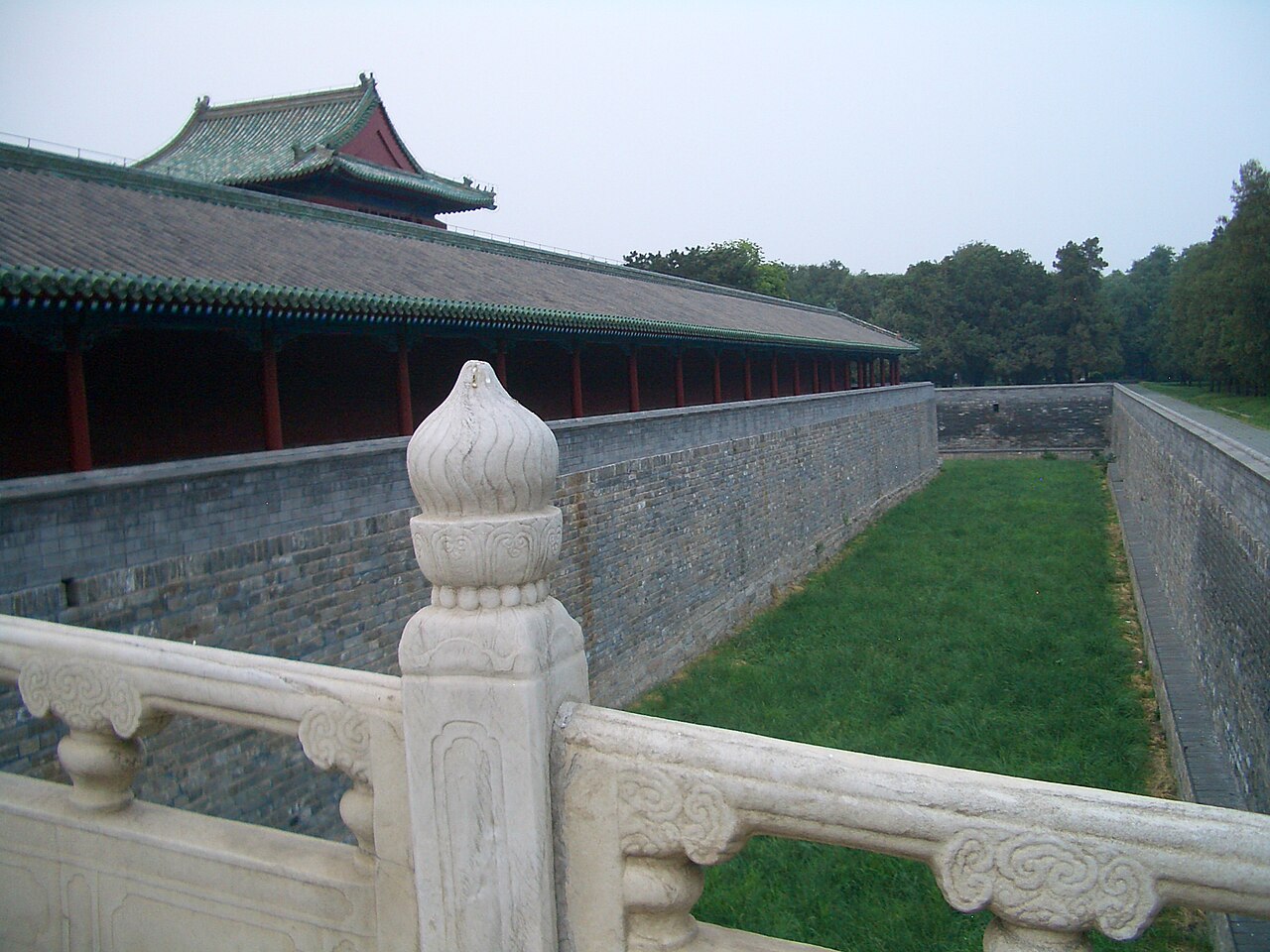
The quieter western courtyard where emperors fasted for three days before the sacrifice. It has its own moat and double walls, and far fewer visitors than the main axis.
The red walls, grey roofs and mirror-still moat water make it a favourite spot for local portrait photographers — and a calm place to escape the midday sun.
Divine Music Office (Shenyue Shu)
The imperial academy where musicians and dancers trained for the sacrificial rites. It reopened on 10 February 2026 after restoration, with the new 'Zhonghe Shaoyue' exhibition showcasing the court ritual music and original instruments.
It sits in the far southwest of the park, so most tourists miss it. Combine it with the western wall where retired locals sing, play instruments and exercise every morning — a slice of real Beijing life.
Summer means heat and big crowds, so go at opening (6:00) or late afternoon. From August 2026, the major buildings are floodlit on Friday and Saturday evenings plus public holidays (19:00–21:00) — the lit Hall of Prayer against a summer night sky is spectacular, and you only need the cheap park ticket (about 15 yuan), not the 34-yuan combo ticket. If you're visiting on a Monday, the Hall of Prayer interior is closed but the grounds remain open.
Getting there
- Metro Line 5 to Tiantandongmen (East Gate)
- Built
- 1420 (Ming)
- UNESCO
- World Heritage since 1998
- Use
- Imperial harvest prayers