
Why go
The Tianshan Corridor is the eastern half of the overland Silk Road — the network of trade routes that carried silk, jade, horses and Buddhism across Eurasia for two millennia. UNESCO inscribed the corridor jointly with Kazakhstan and Kyrgyzstan in 2014.
The Chinese segment runs from Chang'an (modern Xi'an) westward through the narrow Hexi Corridor of Gansu, past Dunhuang and into the Turpan Basin and the oases at the foot of the Tianshan mountains. The 33 inscribed sites include imperial palaces, caravan staging posts, Buddhist cave temples and ruined garrison cities.
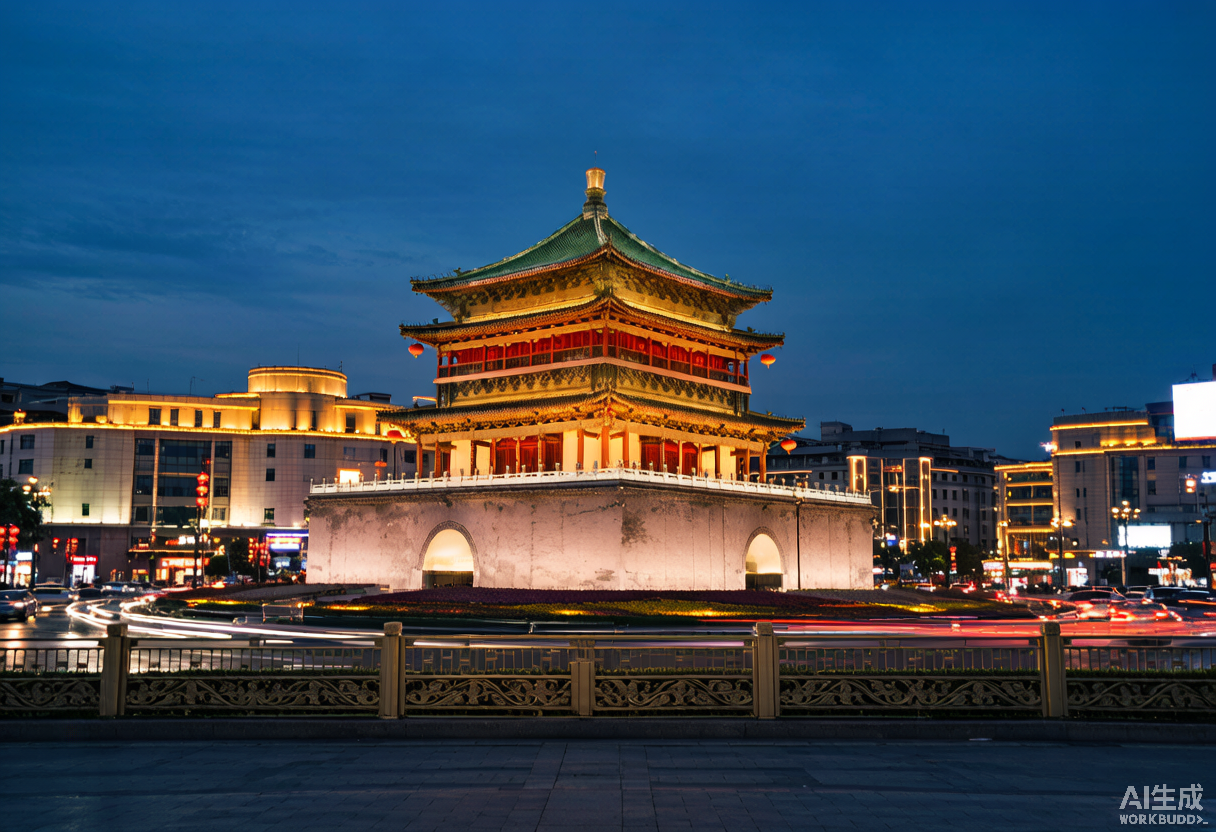
- Xi'an — the Han and Tang capital where Silk Road journeys began
- Mogao Caves and Dunhuang — the great Buddhist cave complex
- The Gaochang and Jiaohe ruined cities near Turpan
- The Suoyang City garrison ruin in the Hexi Corridor
Where to go
Begin in Xi'an — the Great Wild Goose Pagoda marks the Tang terminus. Travel west to Lanzhou, then into the Hexi Corridor: the Jiayu Pass (Jiayuguan), the westernmost Ming great-wall fort, and the Suoyang ruined city are key stops.
Dunhuang is the unmissable highlight: the Mogao Caves hold some of the finest Buddhist art in the world, and the singing dunes and Crescent Lake lie just outside town. Book Mogao tickets well in advance.
Continue to Turpan to walk the sun-baked mudbrick ruins of Gaochang and Jiaohe — caravan cities abandoned as the Silk Road declined. End in Urumqi, with the Xinjiang Regional Museum's Silk Road artefacts.
Practical notes
The route is long — 2,500 km from Xi'an to Urumqi — so budget at least a week, ideally more. The high-speed train has transformed travel times, but sites like Suoyang still require a car. The travel window is May to October; outside it, winter closes in on the Hexi and Turpan.
Getting there
- High-speed train Xi'an–Lanzhou–Turpan–Urumqi
- Flights connect Xi'an, Dunhuang and Urumqi
- Route length
- c. 5,000 km across three countries
- Active period
- 2nd century BCE – 16th century
- UNESCO
- World Heritage since 2014