
Why go
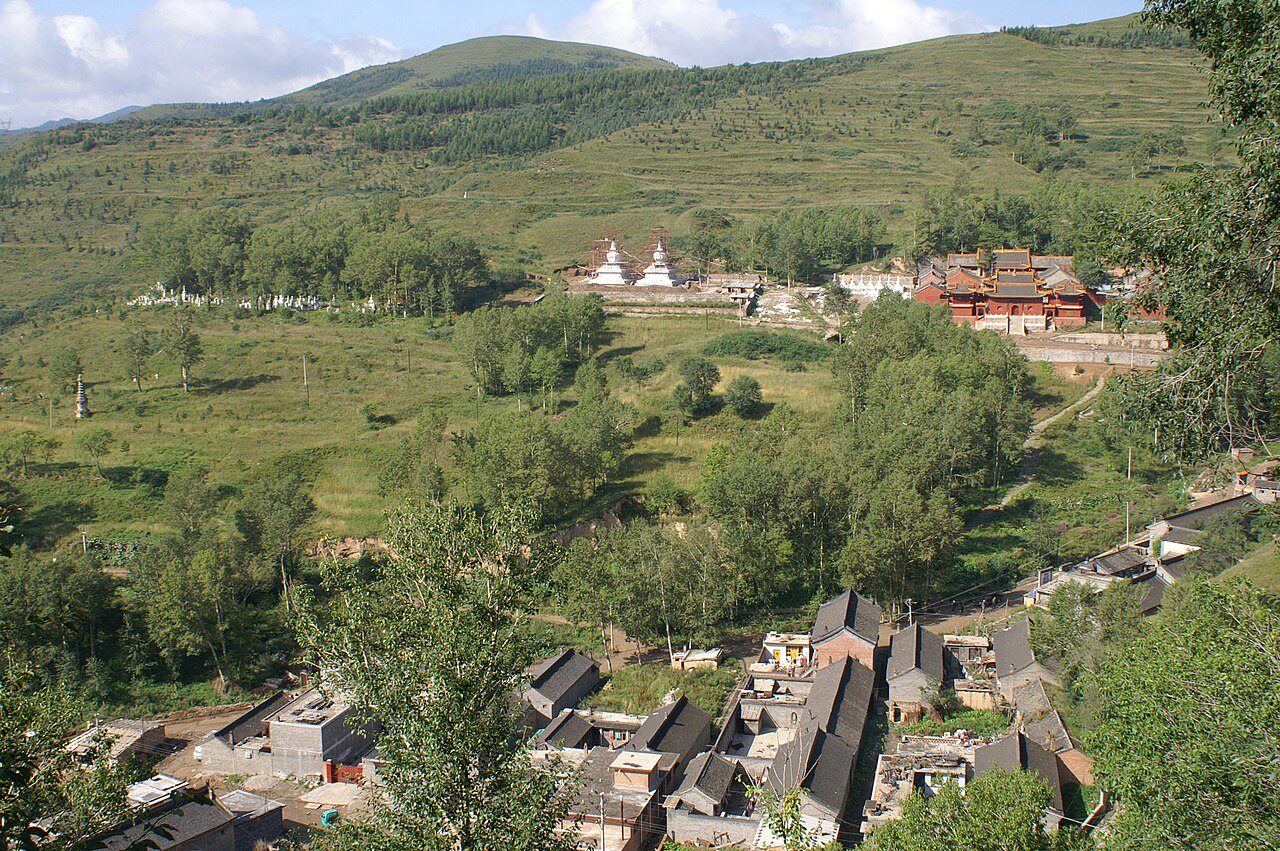
The heart of Wutai is Taihuai, a valley village at 1,700 metres ringed by monasteries. Pilgrims — many Tibetan, some doing full prostration circuits — have come here for over 1,500 years because the mountain is the earthly abode of Manjushri, the bodhisattva of wisdom.
Unlike China's other sacred mountains, Wutai is a plateau: the five flat-topped terraces are connected by road, and the landscape shifts from temple-dotted valley to alpine grassland within an hour's drive. Even in July the terraces can be ten degrees colder than the valley — bring layers.
- Xiantong Temple — the oldest and grandest monastery, with a copper-and-gold beamless hall
- The giant white stupa of Tayuan Temple, the mountain's icon
- Pusading (Lamasery) for its Tibetan-style terraces and views over the valley
- Drive or hike to the North Terrace (3,061 m) for wildflower meadows and monk-run hermitages
Practical tips
Stay in Taihuai village for walkable temple access; the sightseeing bus is the only way to reach the terraces themselves. Weather changes fast at altitude. Vegetarian food is easy to find; the mushroom specialities (wortai morchella) are a local delicacy.
Nearby
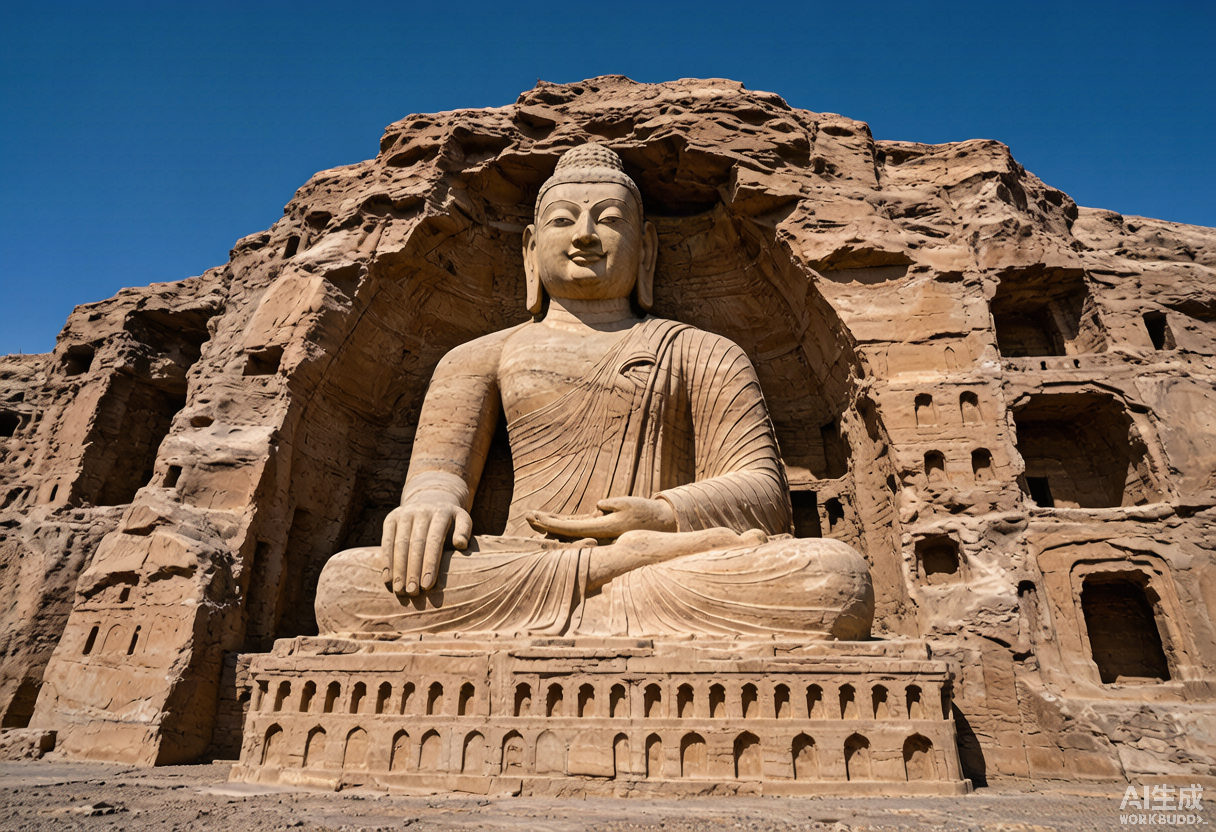
Wutai pairs naturally with Datong — the Yungang Grottoes and the Hanging Temple are within a half-day drive — or with Pingyao further south. Taiyuan is the usual rail gateway.
What to See — Aug 2026 Picks
Xiaohongshu travelers in August 2026 are raving about Mount Wutai as the ultimate summer escape, with mountain temperatures hovering at a cool 15 to 25 degrees Celsius while the North China Plain swelters. Recent posts highlight afternoon thunderstorms, the stunning night illumination at Guanghua Temple, and the “Little Chaotai” pilgrimage at Dailuo Peak as must-do experiences.
Tayuan Temple Great White Pagoda
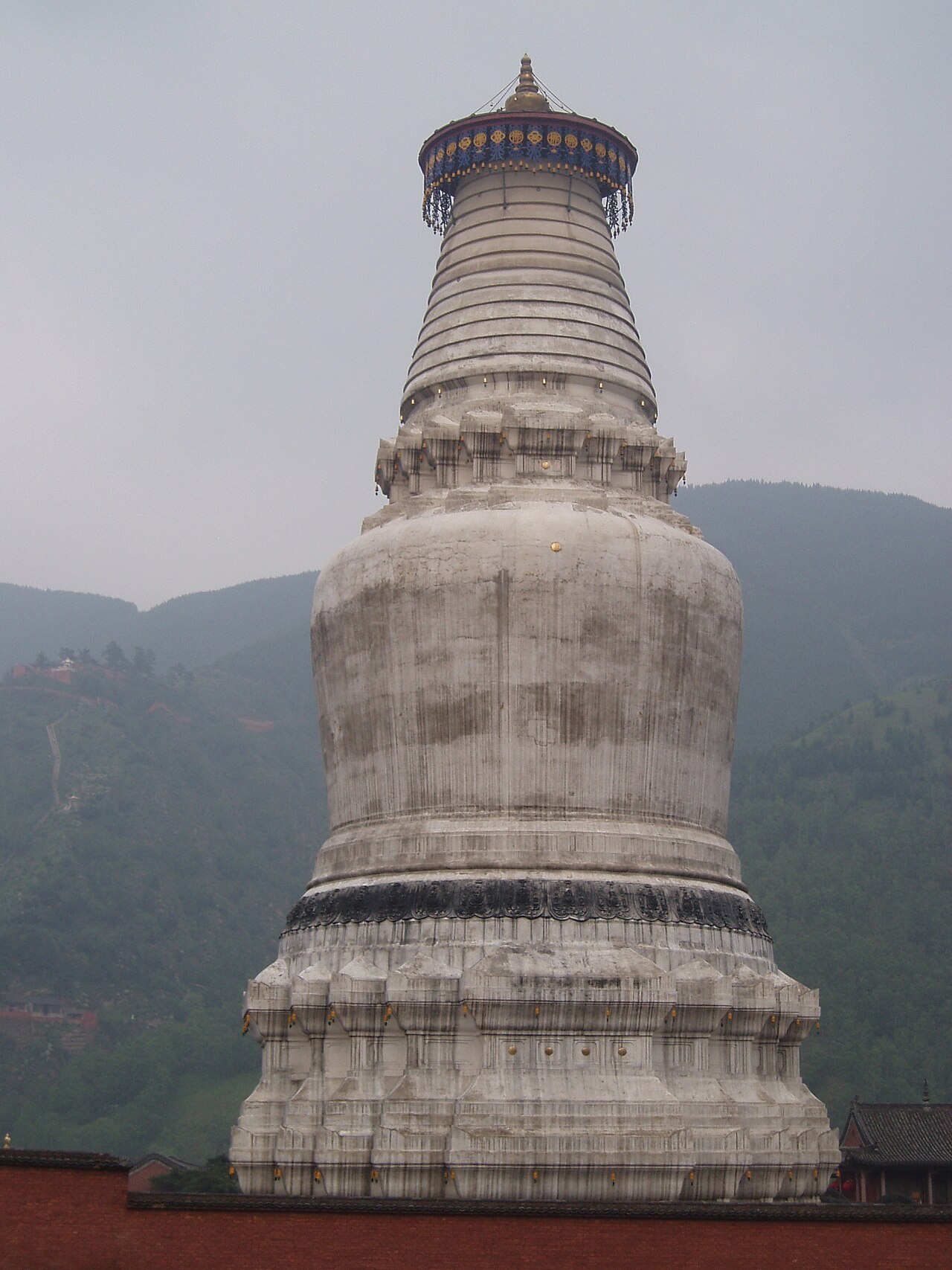
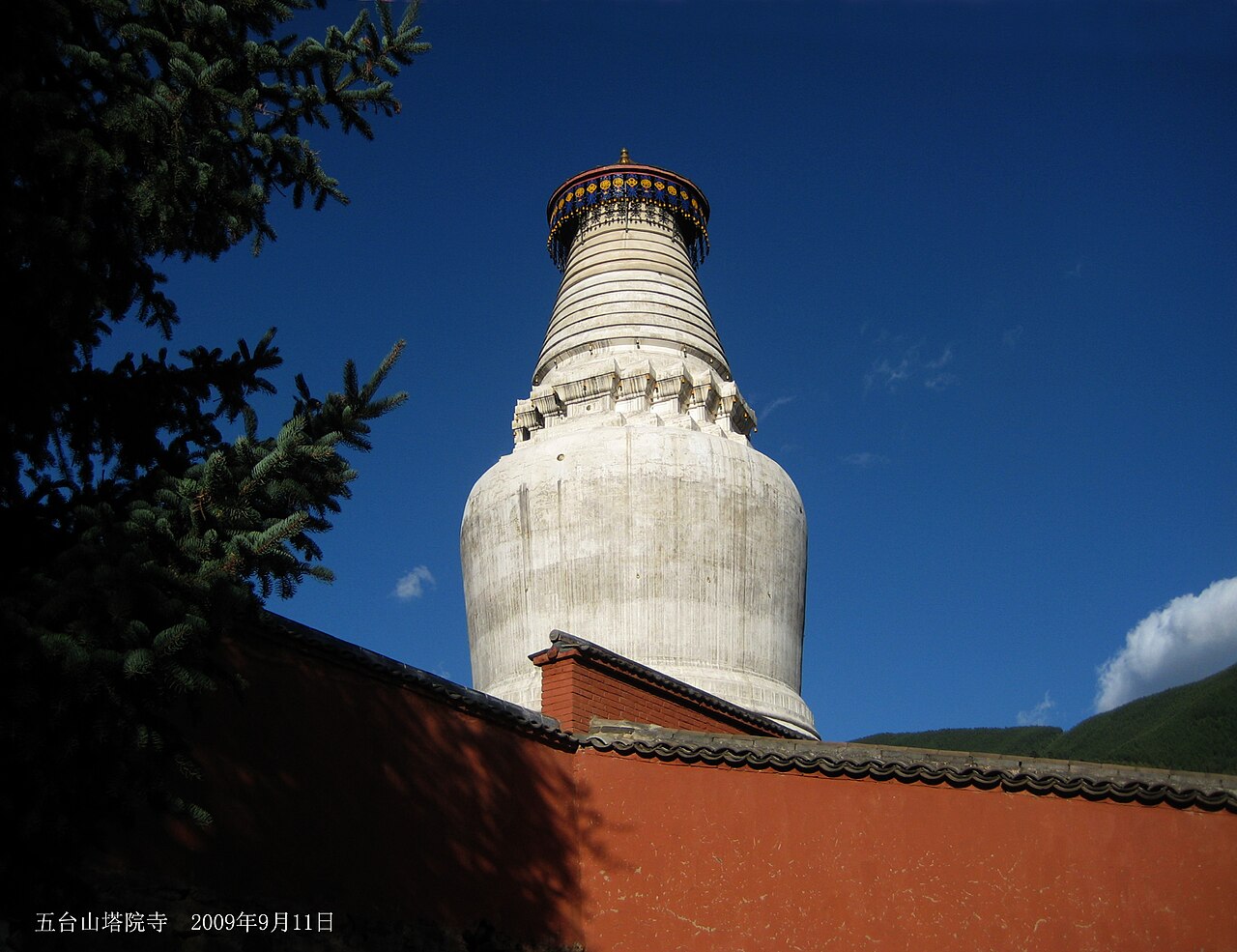
The 56-meter-tall Great White Pagoda is the visual symbol of Mount Wutai and the single most photographed structure on the mountain. Walk clockwise around it three times as pilgrims do, then frame the red temple walls against the white pagoda in the soft morning light before 8 AM for the classic shot. The pagoda houses a relic of the Buddha, making it both a photographic and spiritual highlight.
Bodhisattva Peak (Pusa Ding) — 108 Steps
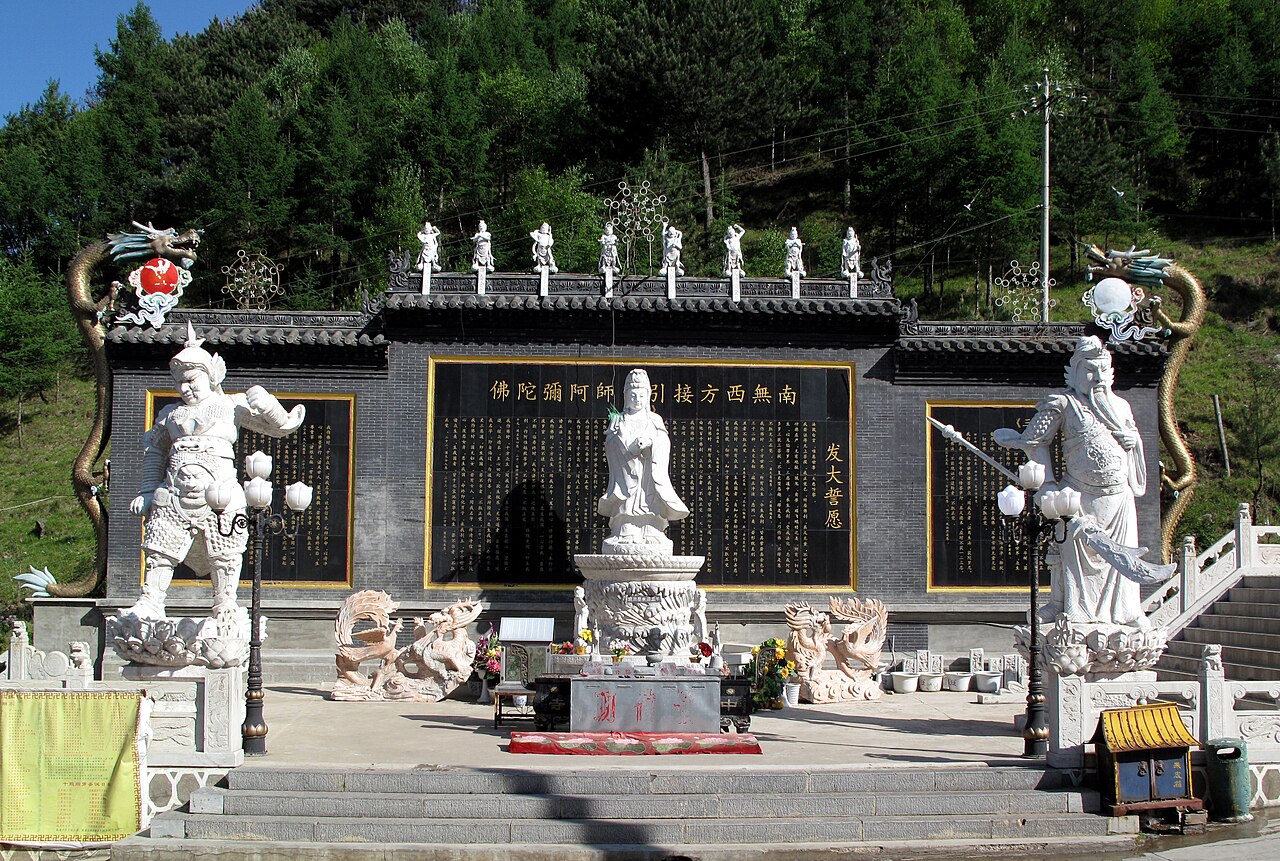
Climb the famous 108 stone steps — each said to represent a worldly worry you leave behind — to reach this royal temple perched on Lingjiu Peak. The yellow-tiled roofs and red walls earned it the nickname “Little Potala Palace,” and the summit offers the best overhead view of Taihuai Town’s temple cluster. Wear non-slip shoes, as the steps become treacherous in August rain.
Dailuo Peak “Little Chaotai” Pilgrimage
A 1,080-step stone path called the Great Wisdom Road leads up to Dailuo Peak, where a single visit equals worshipping at all five mountain platforms. The summit platform frames the entire Taihuai Town temple complex against rolling green hills, and on misty August mornings the photos look like a Chinese ink painting. Take the cable car up (50 yuan one-way) and walk down if you want to save your legs for other temples.
Guanghua Temple Night View
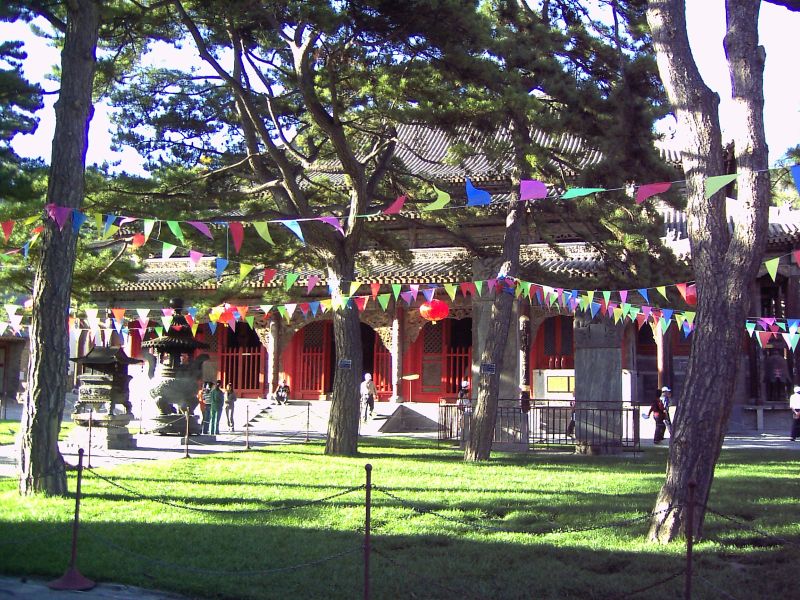
The only temple on the mountain that stays illuminated after dark, Guanghua Temple transforms into a golden-lit wonderland once the sun sets. The glowing roof tiles, flying eaves, and soft Buddhist chants create an ethereal blue-hour photo that Xiaohongshu users call the mountain’s top hidden gem. Arrive around 7:30 PM in August for the best balance of ambient light and illuminated architecture.
Xiantong Temple Bronze Hall
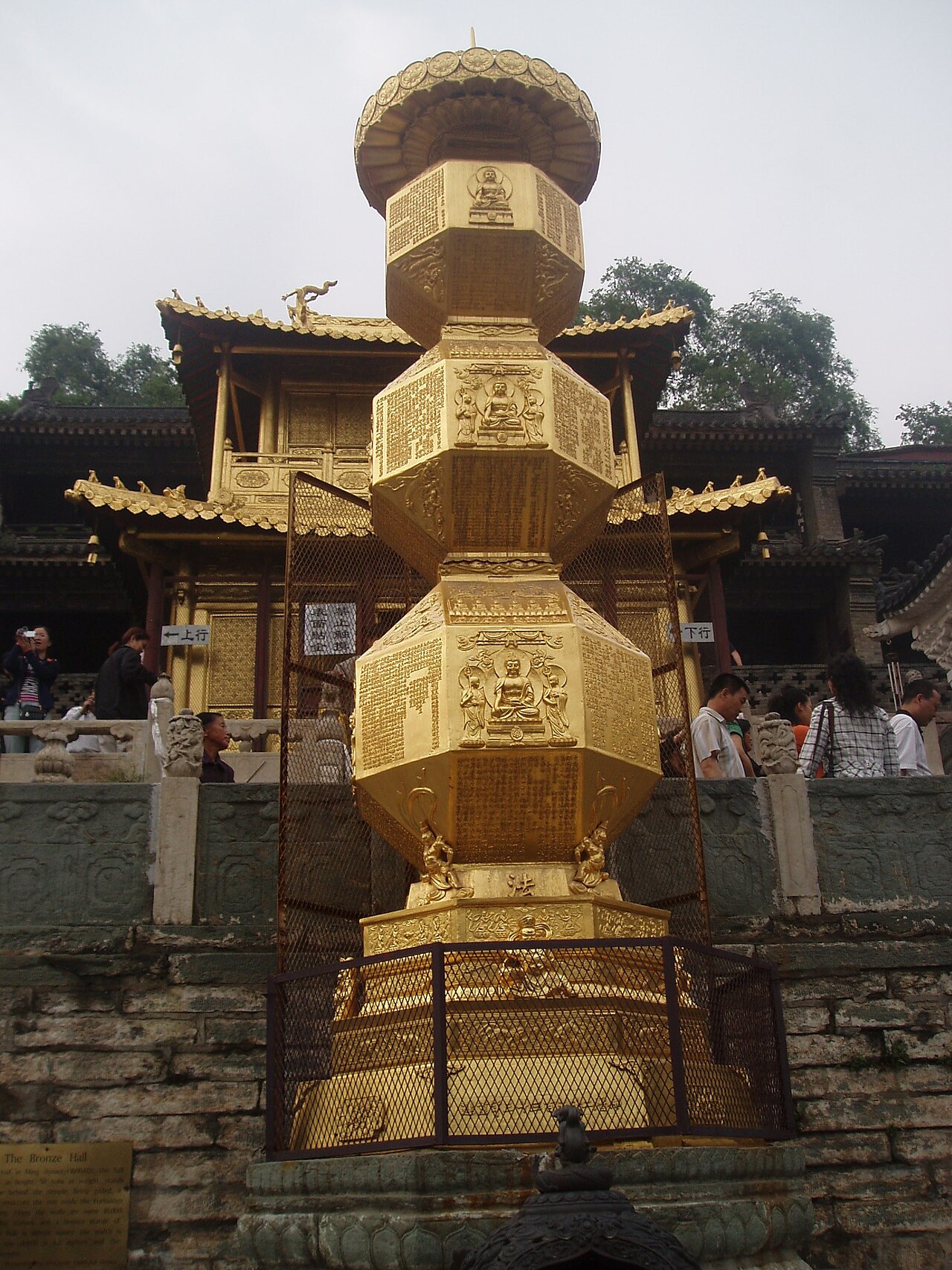
As the oldest and largest temple on Mount Wutai, Xiantong Temple holds several national treasures including an all-bronze hall cast in the Ming Dynasty and a beamless stone hall dating back centuries. The bronze hall glows golden in the afternoon sun, and the ancient courtyard pines provide welcome shade during August heat. This is the founding temple of the entire mountain, so it carries the deepest historical weight.
East Peak (Wanghai Peak) Sunrise
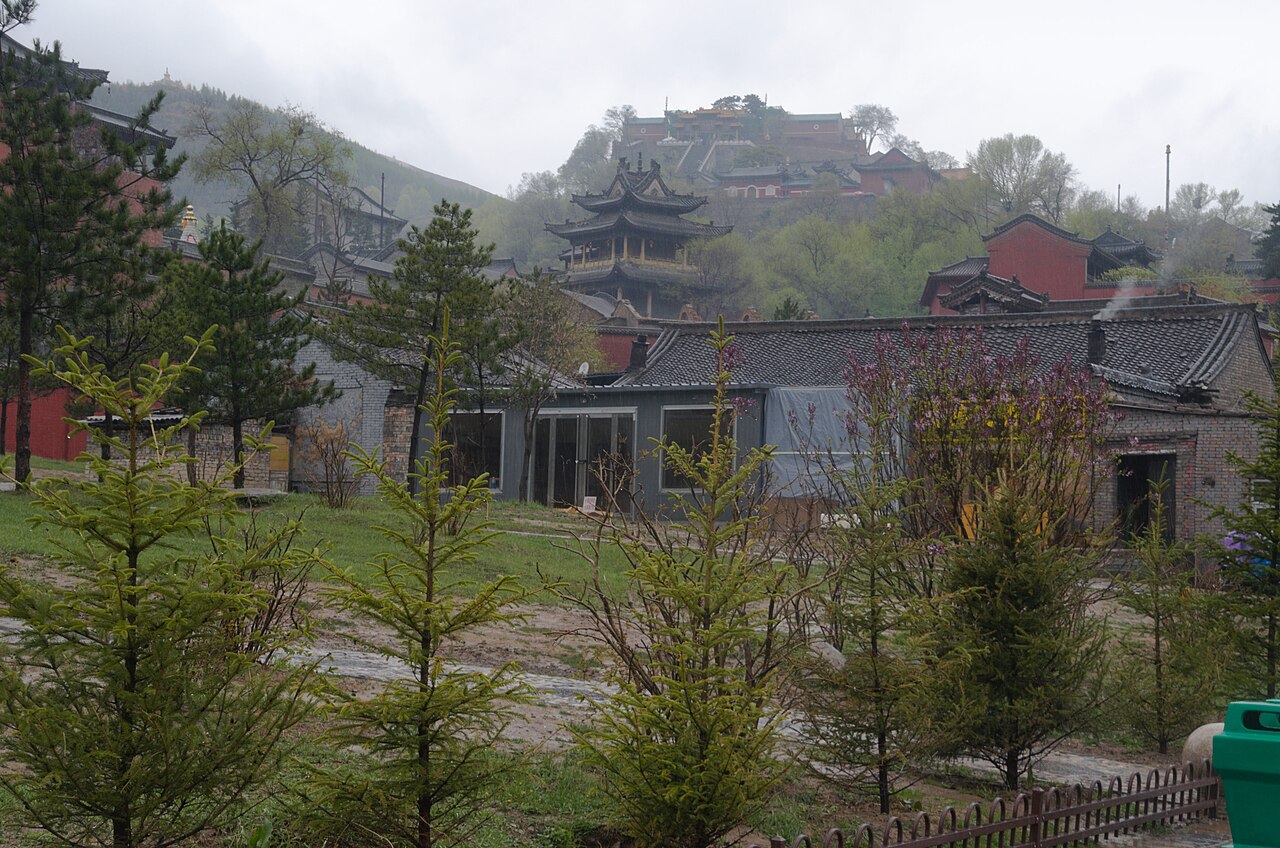
Depart at 4:00 AM from Taihuai Town to reach the East Peak summit in time for sunrise over a sea of clouds — the most spectacular natural show on the mountain. On clear August mornings the rising sun paints the alpine meadows red while grazing cattle wander through the frame. Bring a windproof jacket even in summer, as the summit wind is strong and temperatures can drop to 10 degrees Celsius.
August afternoons bring frequent thunderstorms, so pack a folding umbrella and non-slip shoes. Start temple visits by 7 AM to finish before the rain and crowds, and always carry a light jacket for the 10-degree drop after sunset.
Getting there
- High-speed rail to Xinzhou (Wutaishan station), then a 1-hour bus or taxi to Taihuai village
- Direct buses run from Taiyuan (~4 hr) and Datong (~3 hr)
- Highest terrace
- 3,061 m (North Terrace)
- UNESCO
- World Heritage since 2009
- Monasteries
- 40+ in the core zone