
Why go
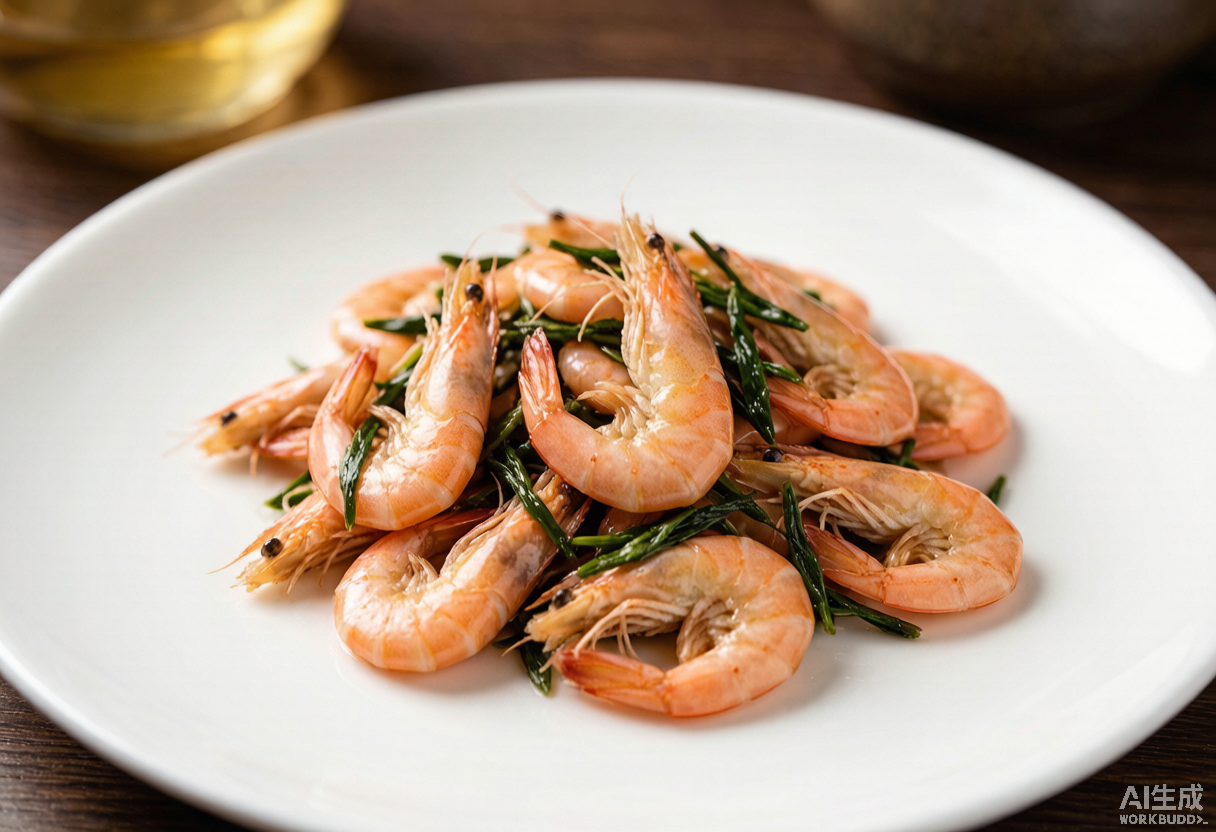
One of the 'classic ten' dishes of Hangzhou cuisine, it is a dish that rewards a slow, attentive eater. The shrimp should be sweet and springy, the tea leaves tender enough to eat, and the oil fragrant but clean.
Hangzhou cooking prizes freshness and subtlety over heavy sauces. The tea here is not a garnish; it is the seasoning. Locals will tell you the best version is made with pre-ming qian tea — leaves harvested before the Qingming festival, when they are at their most delicate.
- The tea leaves are barely wilted — fragrance, not flavour
- White river shrimp are the only correct base
- A delicate dish: order it before the heavy braised ones
- Best in spring, when the first-harvest Longjing leaves arrive
The philosophy
The technique is deceptively simple: shell and marinate the shrimp, flash-fry them in warm oil, then toss in a handful of soaked Longjing leaves for a few seconds. The heat must be gentle enough to perfume the oil without bruising the leaves or over-cooking the shrimp. Skip it in a noisy food court — this dish deserves a proper table and a quiet moment.
Where to try it
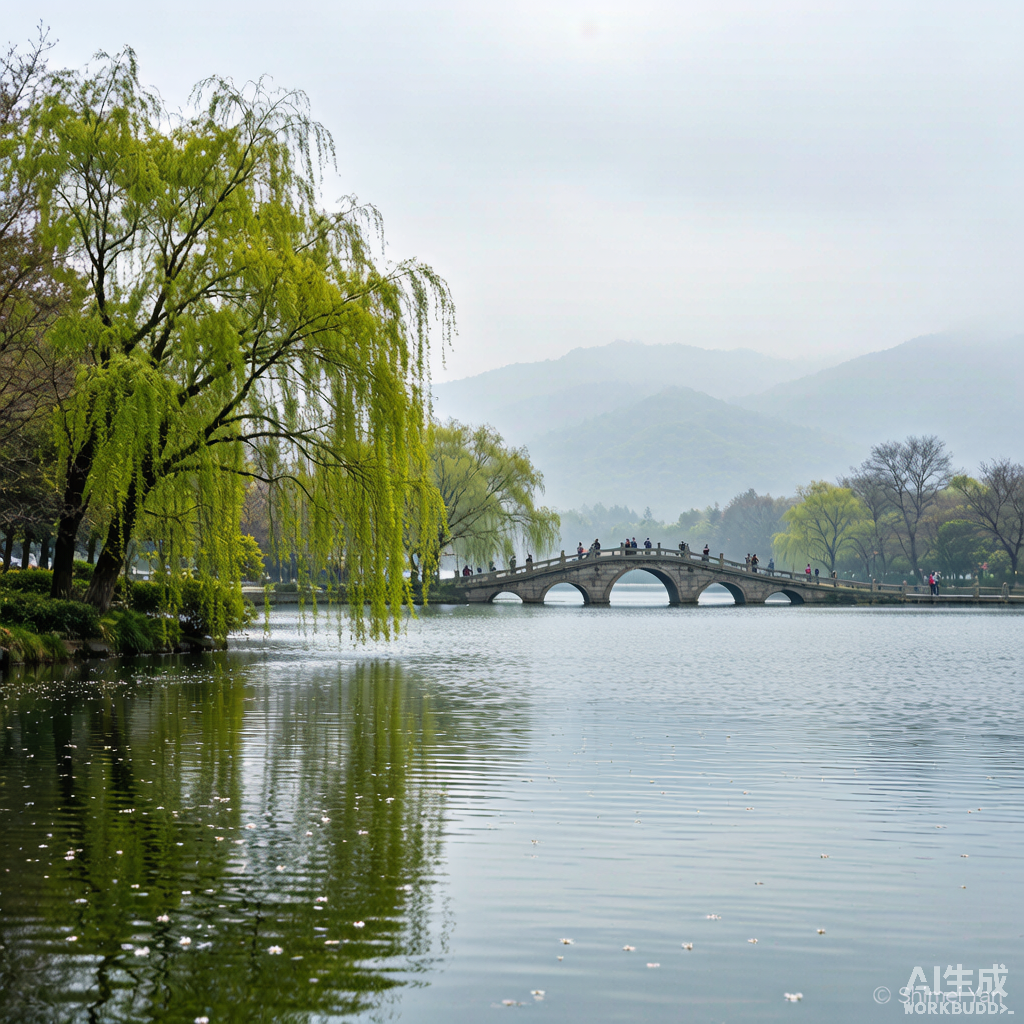
Seek out a Hangzhou-bang restaurant: the old-school houses on the lake's south shore, or the long-established names like Lou Wai Lou near Solitary Hill. Spring is the ideal season. Pair it with West Lake vinegar fish (xihu cuyu) for the classic double bill, and finish with a pot of Longjing tea to close the circle.
Getting there
- Classic at Hangzhou-bang restaurants around West Lake, many along Nanshan Road and the lake's southern shore
- Base
- Small river shrimp, hand-shelled
- Seasoning
- Longjing tea leaves (green, fragrant)
- Cuisine
- Hangzhou-bang, one of the 'classic ten'