Alipay and WeChat Pay run China. Set them up in 10 minutes and never think about cash again.
Reviewed 2026-08
Scan the QR code — open this page on your phone anytime
Scan to save
Point your phone camera at the code to open this page on your phone. Then bookmark it, or add it to your Home Screen for one-tap access.
pandapanda.group
Set up Alipay before you fly
Why Alipay matters
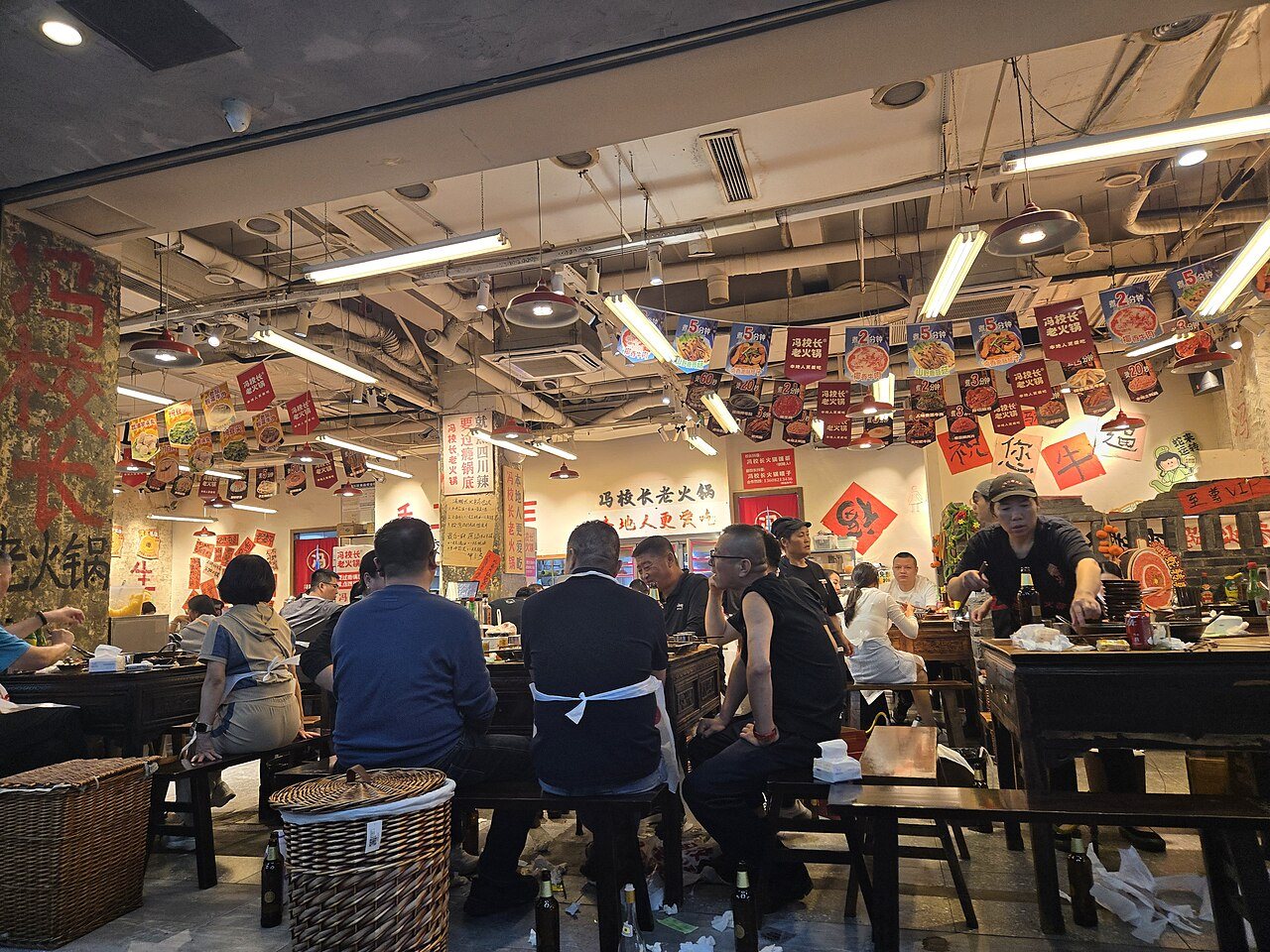
China is a nearly cashless society. Street-food stalls, metro gates, museums, high-speed rail, taxis and temples all take Alipay or WeChat Pay — often with no cash option at all. Setting up Alipay with your foreign card is the single highest-value thing you can do before landing.
The whole setup takes about ten minutes on home Wi-Fi, where verification is easiest. Follow the four steps below and each one is shown with a real screenshot.
Step 1 — Download the app
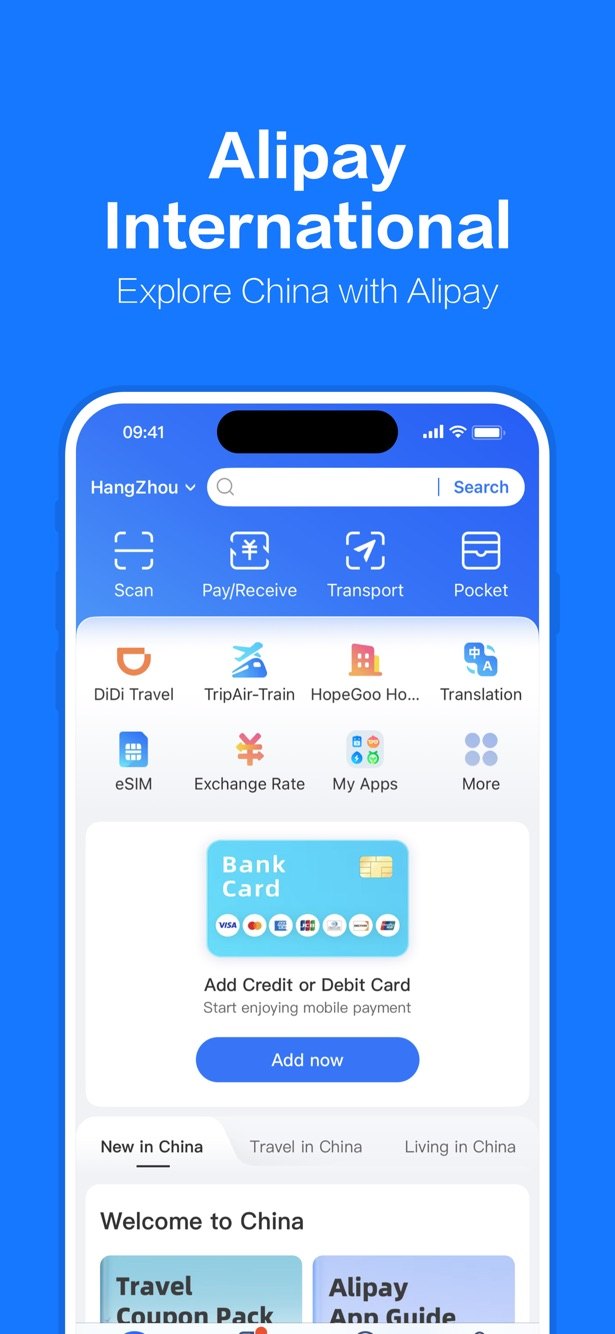
Search for 'Alipay' in the Apple App Store or Google Play. It is free, and the international version shows an English interface automatically — no Chinese phone number needed.
Step 2 — Register and verify with your passport
Tap Sign Up, enter your home country code and phone number, then confirm the SMS code. Next verify your identity: Me → Settings → Account & Security → Identity Information. Photograph your passport data page and take a quick selfie — approval usually takes minutes and unlocks higher spending limits.
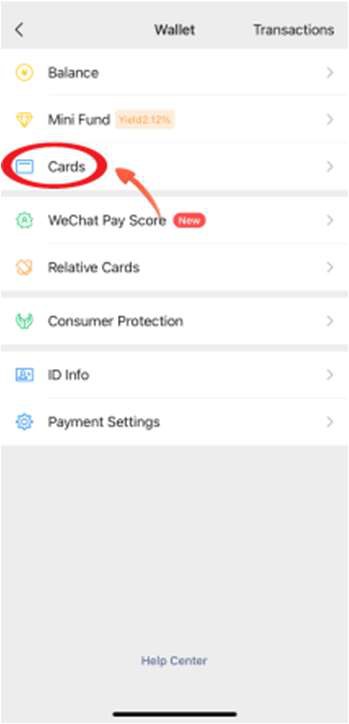
Step 3 — Add your card in Wallet → Cards
Go to Me → Bank Cards → Add Card (or tap the Bank Card tile on the home screen). Enter your Visa, Mastercard or Amex details — your bank may ask you to approve a 3-D Secure confirmation. Alipay then charges your card directly at the moment of payment.
Step 4 — You're ready to pay
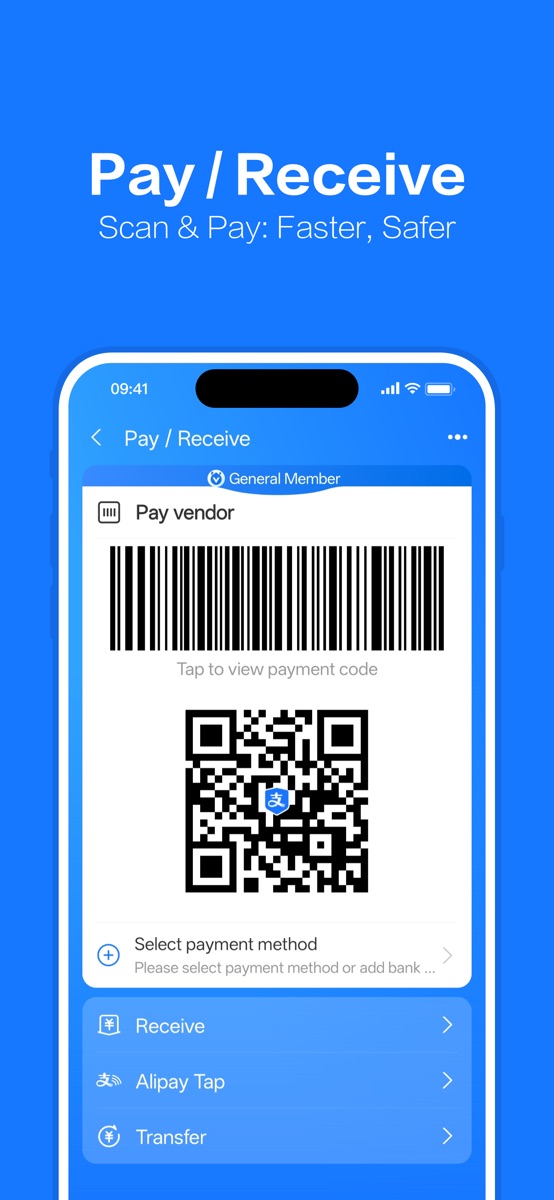
Two ways to pay: tap Scan to read a merchant's QR code, or tap Pay/Receive to show your own code to the cashier. Either way the amount is charged to your linked card instantly at that day's exchange rate.
How payments actually work
You scan a shop's QR code (or show your own code to the cashier) and the amount is charged to your linked card in real time, with the exchange rate applied at the moment of payment. Many cards add a small foreign-transaction fee — check with your bank.
Payments under a threshold (usually ¥200) skip the PIN entirely, so small purchases feel instant.
Alipay 'TourPass' and top-ups
If you prefer to pre-load money instead of linking a card, Alipay's TourPass lets you top up a virtual balance with a foreign card and spend it at a fixed rate. Handy for budgeting, but card-linking is simpler for most visitors.
Any unused TourPass balance can be refunded to your card at the end of the trip.
WeChat Pay — the other half
When you need WeChat
Alipay is accepted almost everywhere, but a minority of small merchants — especially in the north — only display WeChat Pay QR codes. Installing WeChat and linking your card takes the same ten minutes and removes the last friction.
WeChat also doubles as your chat app for contacting hosts, drivers and guides.
Install 'WeChat', register with your phone number
Me → Services → Wallet → Cards, then add your foreign card
Verify with your passport when prompted
You can now pay and receive money — no need to add Chinese contacts
Red packets and transfers
WeChat's famous red packets (hóngbāo) are gifts of money sent to friends — great fun at dinners and festivals. As a visitor you don't need them, but knowing what they are avoids confusion when a Chinese friend sends you one. To accept, you just tap it; the money lands in your WeChat balance and can be used for payments.
Cash, ATMs and currency
How much cash to carry
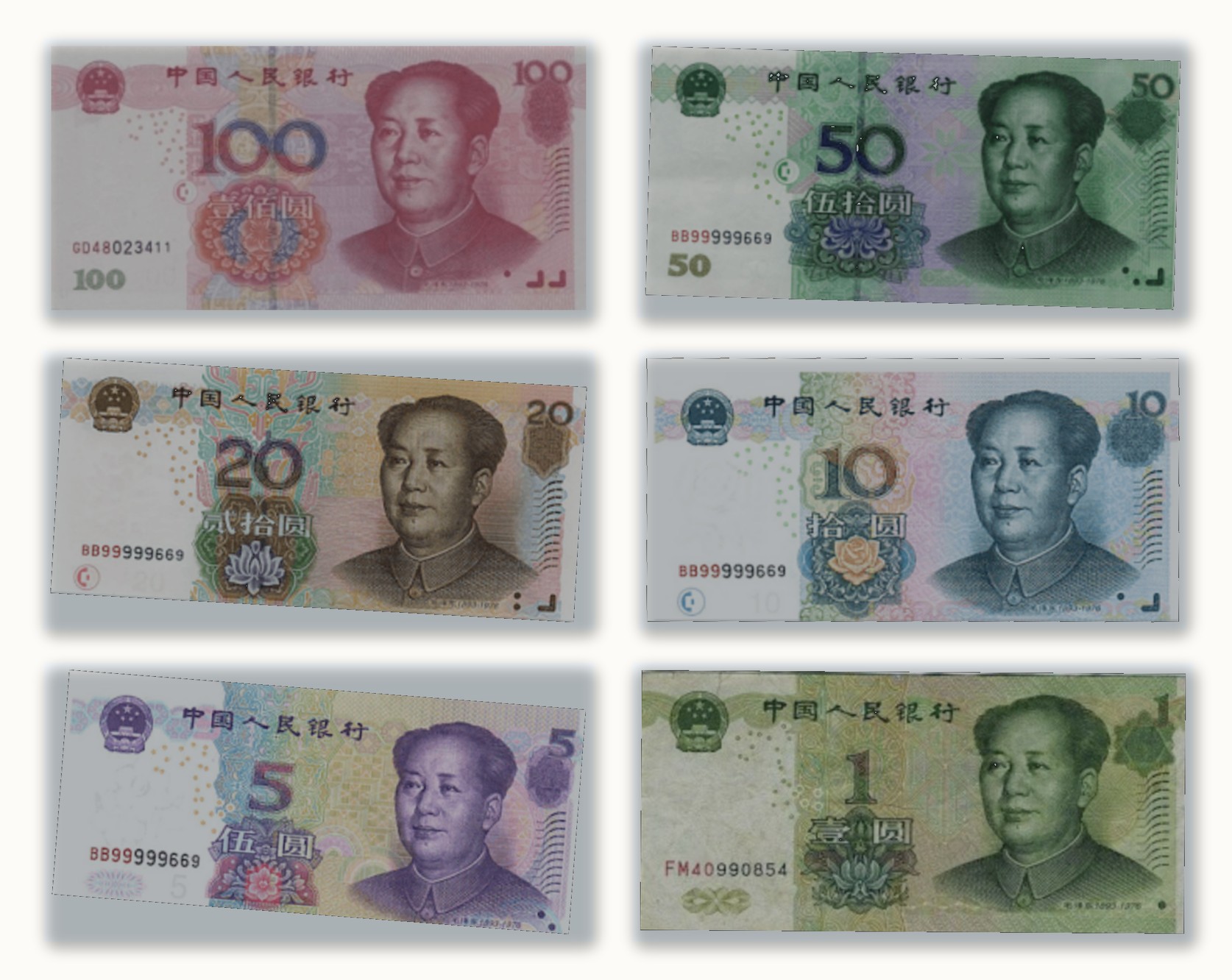
Carry ¥300-500 in small notes as a backup for the rare cash-only stall, rural markets and emergencies like a dead phone. Notes of ¥100 are standard; try to get some ¥10 and ¥20 bills for small purchases.
Almost all urban businesses take cards or QR codes, so you won't need more.
ATMs and exchange
Bank of China, ICBC and other major banks' ATMs accept foreign cards (look for the UnionPay/Visa/Mastercard logos). Withdrawals usually charge a small foreign fee on top of your bank's rate.
For cash exchange, bank counters give the best rates; airport booths are convenient but 2-4% worse. Keep your exchange receipt if you plan to convert back.
Watch the exchange rate math
Prices are quoted in RMB. Convert once when comparing prices, not per item — scanning ten price tags in your head is a waste of holiday.
Live exchange rate check
Mid-market rate — it moves constantly, so check when you compare prices.
Tipping, bargaining and pricing culture
Tipping: almost never
China has no tipping culture. Restaurants, taxis, hotels and tour guides do not expect tips, and staff may even refuse them or chase after you to return 'forgotten change'. A 5-10% tip is appropriate only at upscale international hotels or for exceptional private guides.
Many nicer restaurants add a 10% service charge to the bill automatically — check before adding anything.
Bargaining basics
Fixed prices rule in shops, supermarkets and museum ticket windows. Bargaining happens only at tourist markets, souvenir stalls and some street vendors. The unwritten rule: start at half the asking price, smile, and settle around 60-70%. If the vendor says no, walk away slowly — you'll often be called back.
Never bargain at restaurants, pharmacies or transport — prices there are firm.
WeChat/Alipay for split bills
Groups split bills with Alipay/WeChat transfers rather than cards. If you're travelling with Chinese friends, they'll happily send you a 'red packet' with your share — tapping it into your balance is the easiest way to settle a dinner.
Quick answers
Will my foreign card work in Chinese ATMs?
Yes — ATMs at Bank of China, ICBC and other majors accept Visa/Mastercard/UnionPay cards. Expect a small foreign withdrawal fee from both banks.
What if my card is declined in Alipay?
Check that the card supports 3-D Secure, your bank allows overseas transactions, and the card isn't already on another Alipay account. Amex works in Alipay; Mastercard/Visa are the most reliable.
Can I pay with cash at the metro?
Most metro systems now accept QR-code entry via Alipay/WeChat and contactless bank cards. Cash is accepted at ticket windows in most cities but queues are longer.
Do I need to declare money on arrival?
Cash over RMB 20,000 (or USD 5,000 equivalent) must be declared on the customs form. Card and mobile payments don't need declaring.