

Why go
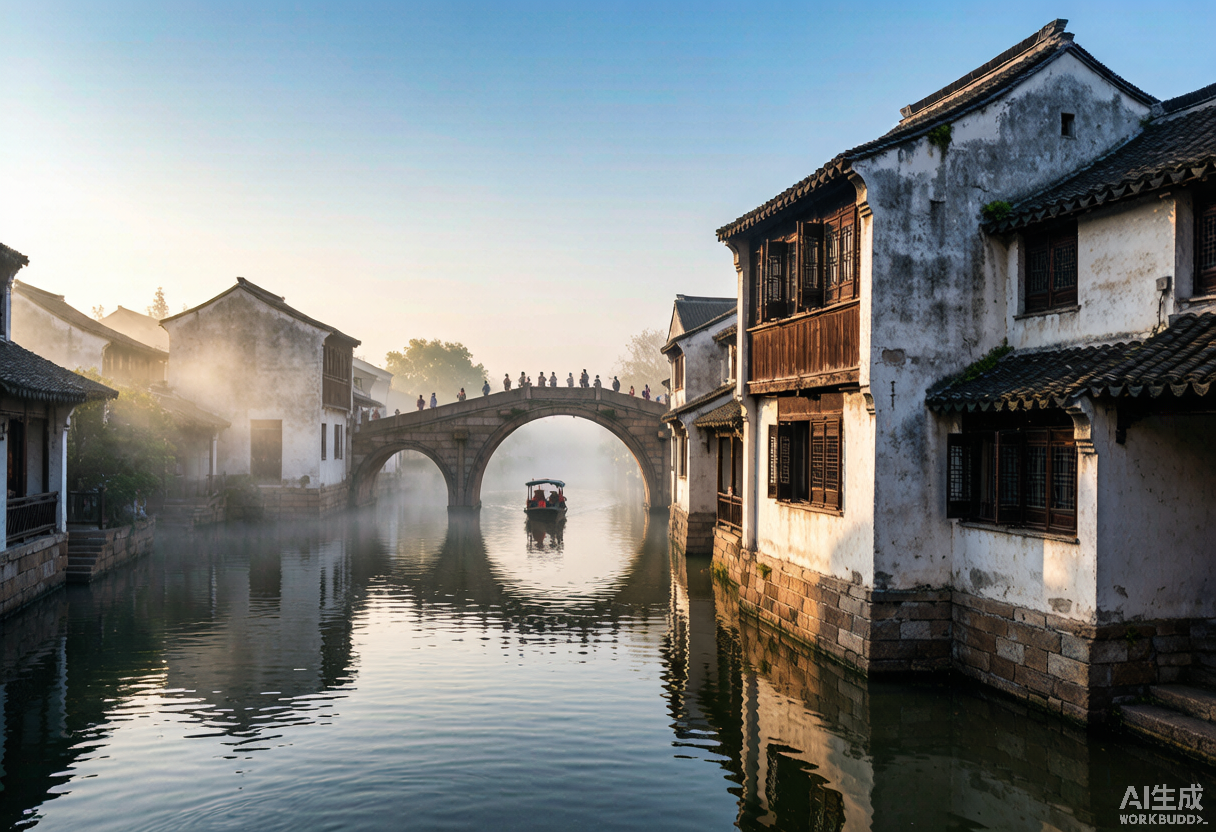
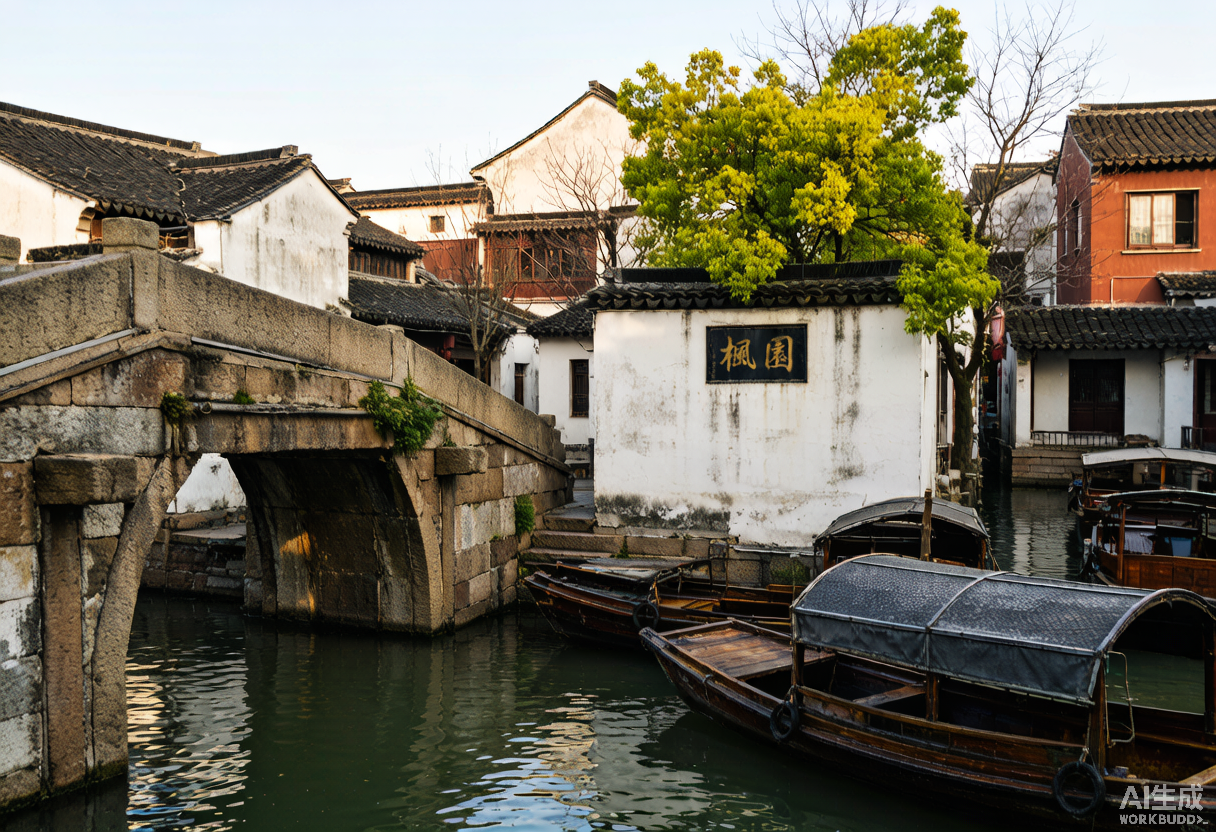
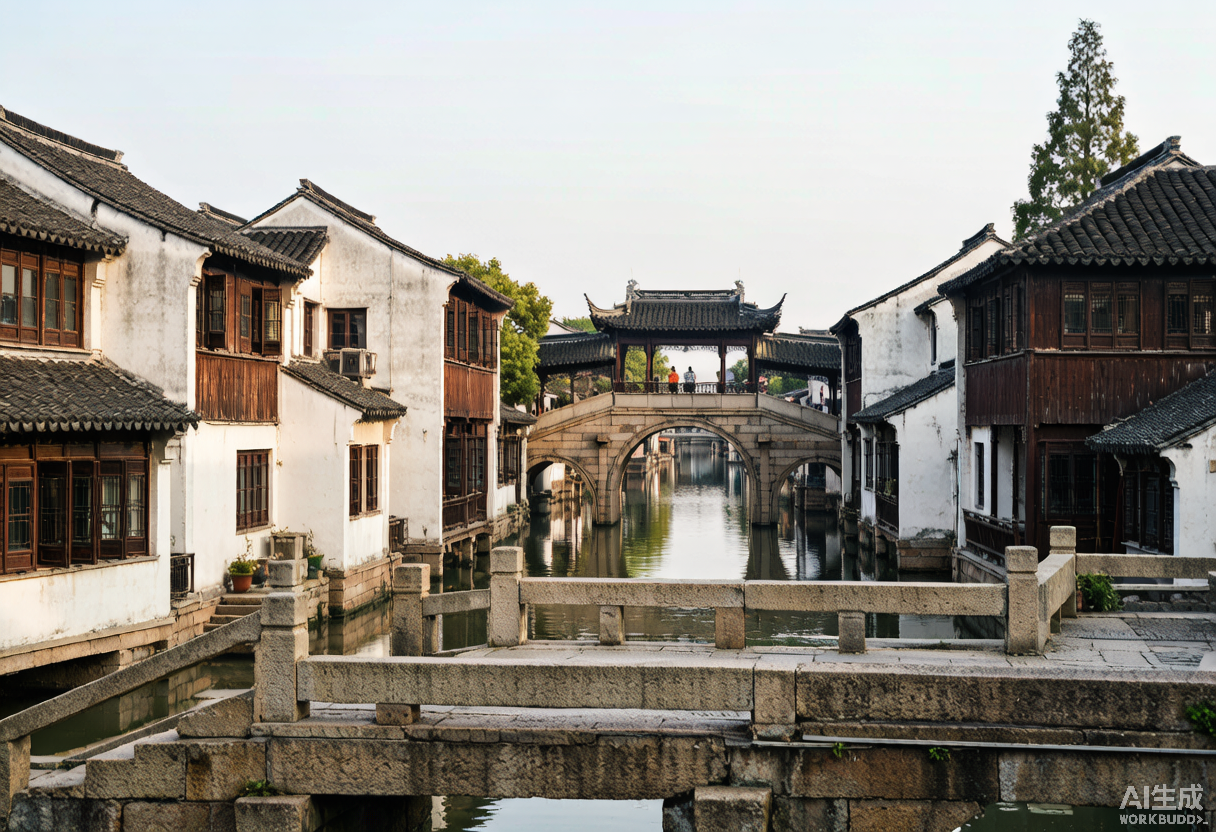
Jinxi's name means 'Brocade Stream', and the town has been a water settlement for more than 2,000 years. Unlike Zhujiajiao or Zhouzhuang, its appeal is quiet: a single long canal, tree-shaded lanes, and dozens of restored houses now filled with eccentric private collections.
The defining view is the tomb of Consort Chen, a Southern Song concubine said to be buried on a small island in Wubao Lake. No one has ever been able to open it, and the site gives the town its nickname: 'the water town of the sleeping consort'.
- Chen Fei's water tomb in the middle of Wubao Lake
- The private museums — tiles, antiques, root carving and more
- Lotus Pool Temple and its lake-facing veranda
- Sock-sole pastries (wa di su), the town's famous flat biscuit
Where to go
Walk the main canal street from the north gate to the Lotus Pool Temple, then take a boat out past the water tomb for the classic photograph. Spend the rest of the time dipping in and out of the museums — the tile collection and the antique furniture house are the two best.
What to eat
Wa di su — a thin, flaky pastry shaped like a sock sole — is Jinxi's signature. Pair it with the local lake fish and shrimp, which restaurants along the canal cook simply and well. Big banyan-tree shade makes the teahouses along the bank pleasant stops.
Getting there
- Bus or taxi from Kunshan South high-speed rail station, ~40 min
- Age
- 2,000+ years
- Museums
- 12+ private collections
- From Suzhou
- ~1h