
Why go
Above the South Heaven Gate, Mount Tai narrows into a long, exposed ridge. The Tianjie is the ancient route along it, paved in stone and edged with lantern-lit shops and temples — part summit street, part cliff-edge catwalk. Emperors and pilgrims have walked this exact line for over two thousand years.
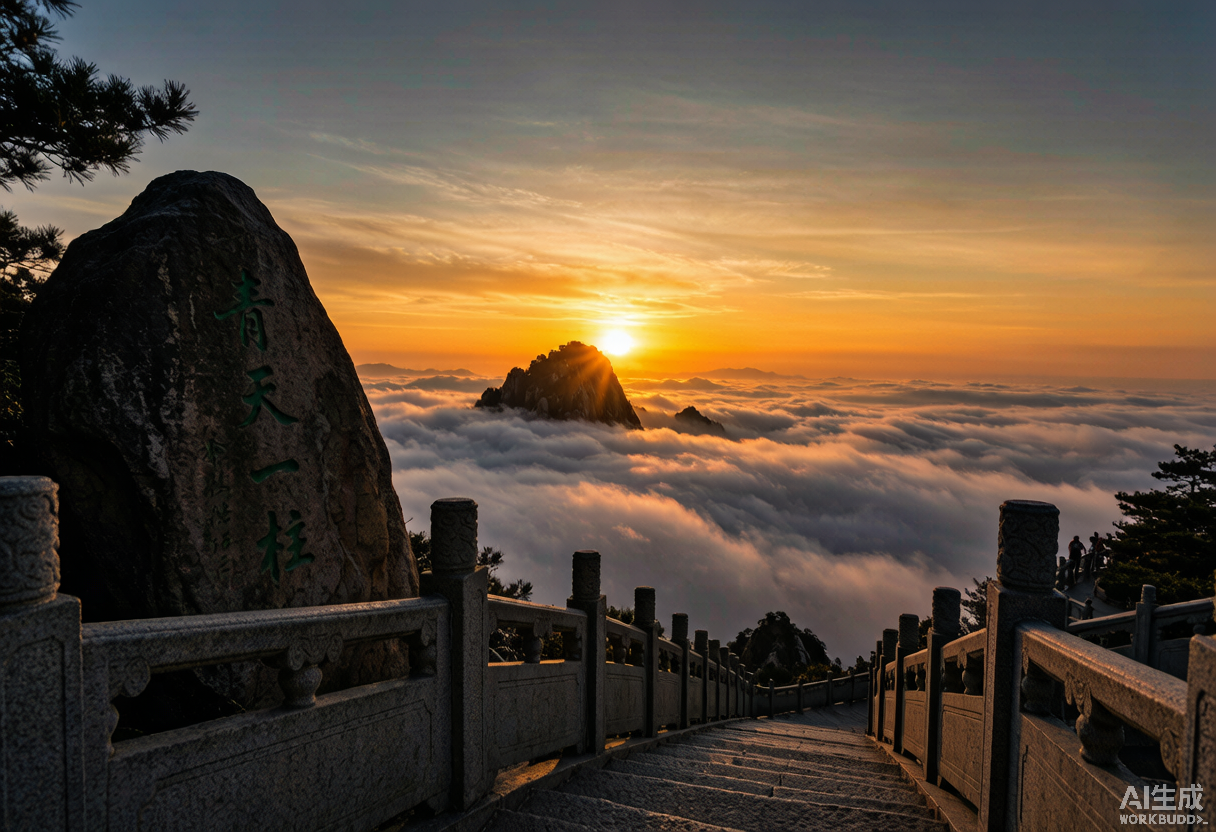
On a clear day the drop to the plain is vertiginous and the view is enormous — farmland, river valleys and, on the very best mornings, a sea of cloud filling the lowland. On summer nights it's jammed with climbers who arrive before dawn, then it empties out as the sun lifts.
- The ridge-top path itself — one side a cliff face, the other a 1,400 m drop to the plain below
- The South Heaven Gate, the stone arch that marks the summit's entrance after 6,600 steps
- The summit village crammed along the path: noodle shops, hostels and temple halls
- Sunrise from the Jade Emperor Peak end of the walk — the reason half of China climbs at midnight
Practical tips
The path is stone and often slick from dew — the section near the cliff has railings but wear grippy shoes. It's cold at 1,450 m before sunrise even in summer; the shops rent thick coats. Food and water are available all along the walk, priced by the altitude. For photography, sunrise from Jade Emperor Peak and the lantern-lit walk at night are the two money shots.
Nearby
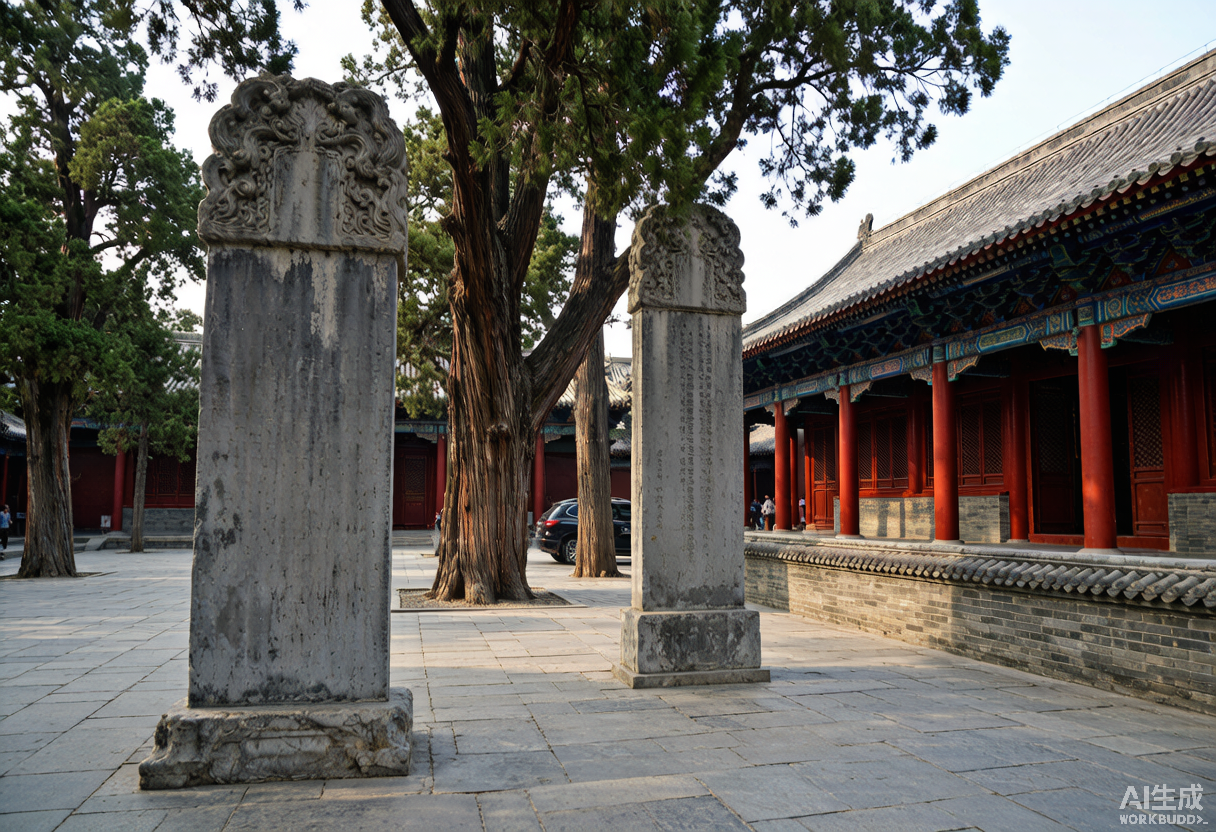
The Tianjie leads directly to the Jade Emperor Peak, the actual summit, and the temple where emperors made their sacrifices. Below, the cable car drops back to the mid-mountain bus station for Tai'an — from there, Confucius's hometown Qufu is an hour by train.
Getting there
- High-speed rail to Tai'an, then a short taxi to the Red Gate trailhead or the mid-mountain cable-car base
- Height
- ~1,450 m ridge-top walkway
- Route
- South Heaven Gate to Jade Emperor Peak
- Below it
- ~6,600 stone steps on the classic ascent