
Why go
Zhejiang has always been one of China's wealthiest and most refined provinces, and its museum reflects that: silk, jade, porcelain, and painting rather than war and empire. It's a quiet, elegant counterpoint to Beijing's grand national narrative.
- Liangzhu culture jade cong and bi — the crowns of prehistoric Chinese jade-working
- The famous 'Ten Thousand Scrolls' painting collection of Song and Yuan masters
- Celadon from the Longquan kilns, in sea-green glazes unique to Zhejiang
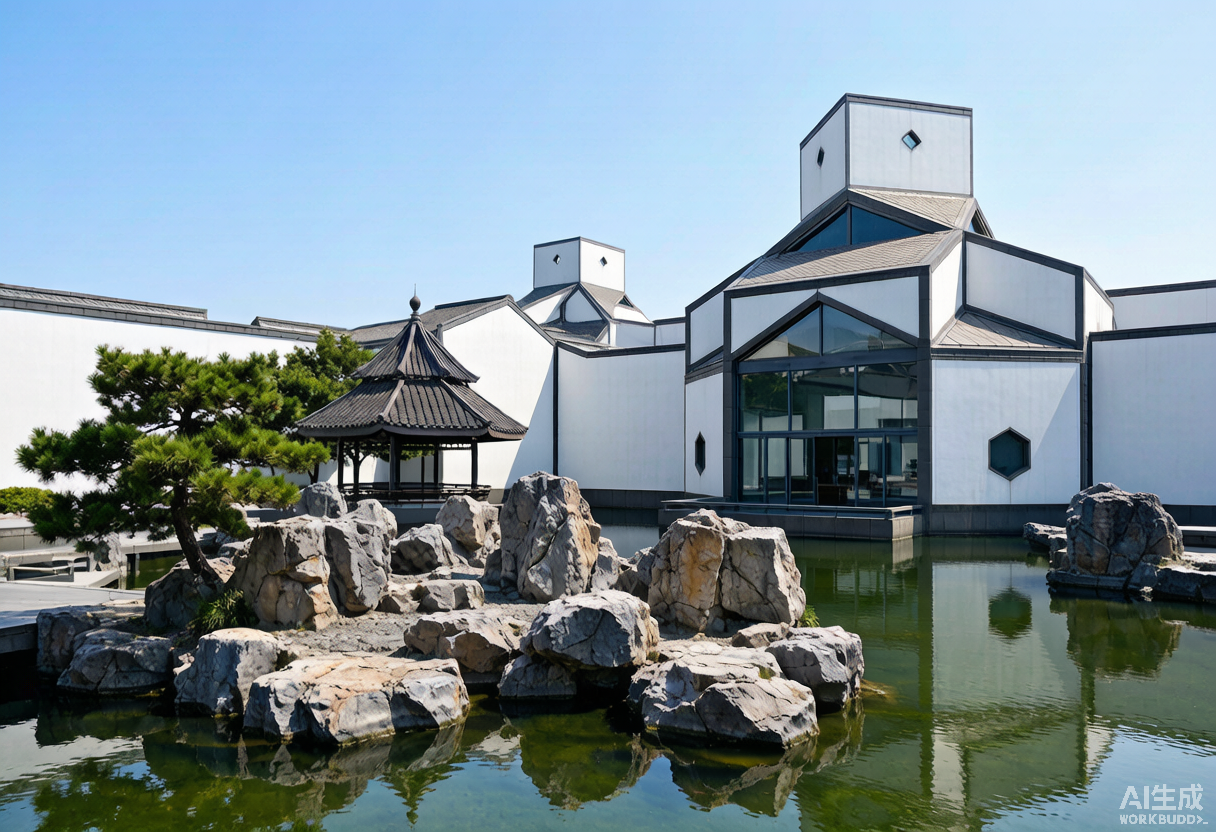
- Two campuses: the scenic Gushan branch on West Lake and the big new Zhijiang building
What to look for
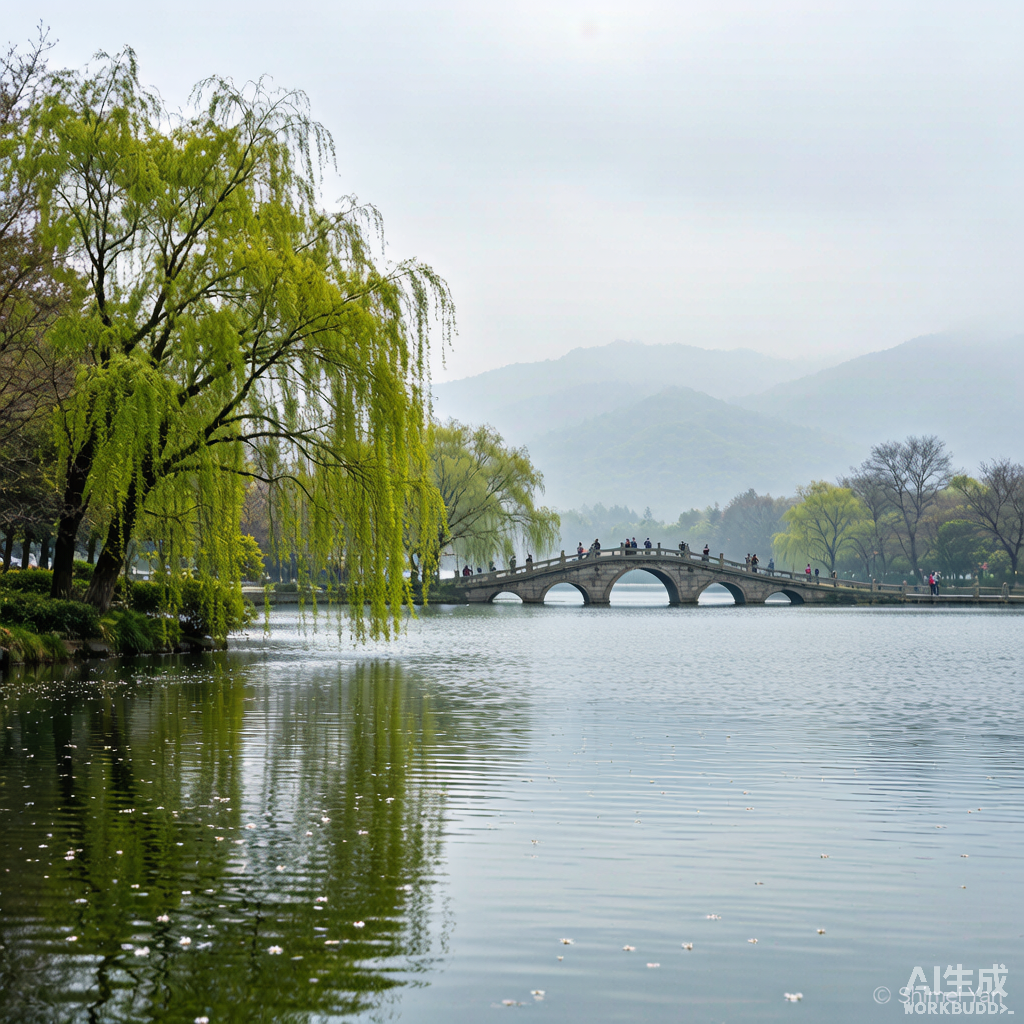
The Liangzhu jade is the headline — carved cong tubes and bi discs made 4,000–5,000 years ago, later adopted by dynastic China as symbols of heaven and earth. The celadon galleries trace Zhejiang's 1,700-year lead in porcelain, from primitive Yue ware to the luminous Longquan green that filled courts from Kyoto to Istanbul. At Gushan, don't miss the Zhejiang history hall and the view across the lake from the museum grounds.
Plan your visit
If you only have time for one, make it Zhijiang for the scale of the collection — but Gushan wins on location, right beside West Lake. Pair Gushan with a lake walk to the Broken Bridge and Gushan itself. If Liangzhu jade fascinates you, the dedicated Liangzhu Museum in Hangzhou's suburbs goes much deeper.
Getting there
- Gushan branch: walk from any West Lake stop on the west shore; Zhijiang campus: bus or taxi from Longxiangqiao metro station (Line 1), about 20 minutes
- Collection
- 100,000+ objects
- Signature
- Liangzhu jade and Longquan celadon
- Campuses
- Gushan (West Lake) and Zhijiang (new, large)