
Why go
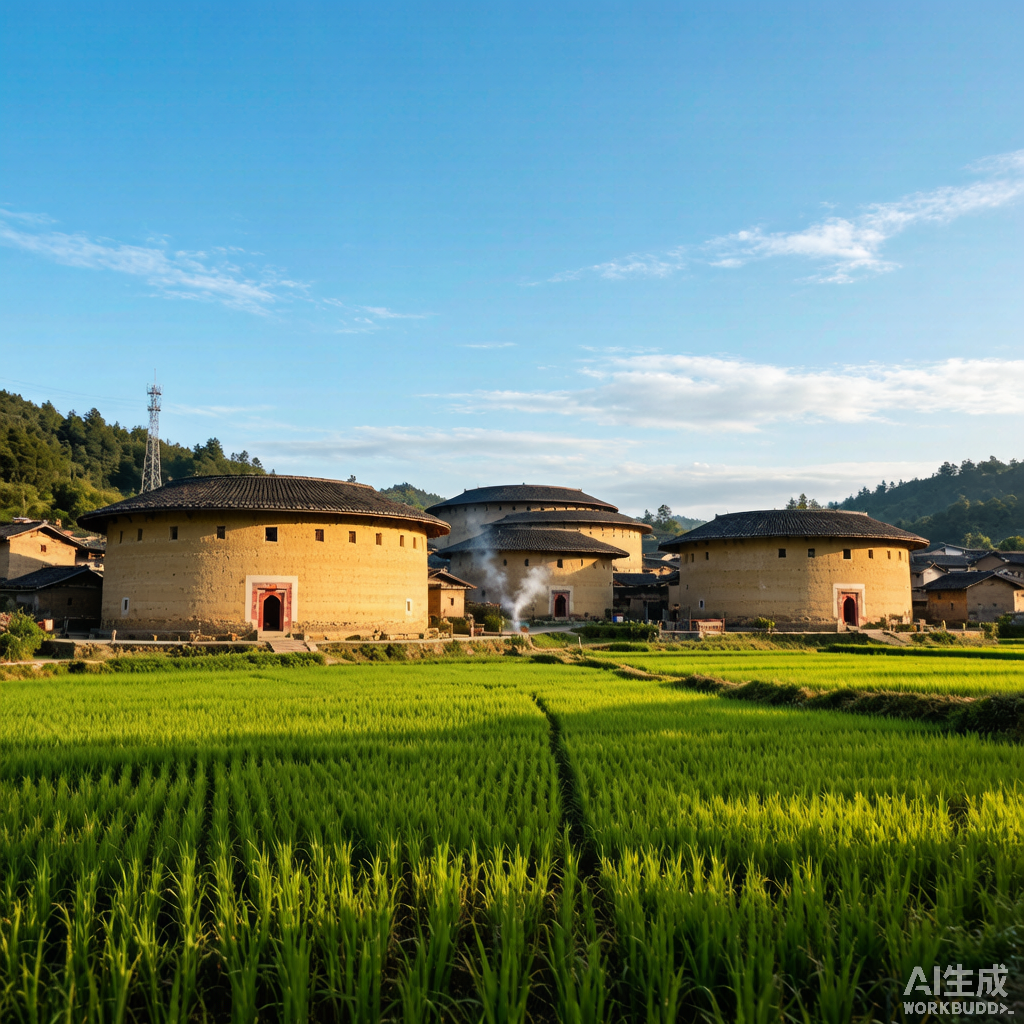
The Hakka, migrants from central China, built tulou for defence and community: a single building is a castle, a village and an extended family rolled into one. A few hundred still house residents today, with families living around the wooden galleries of the inner rings.
The UNESCO listing covers 46 buildings. The classic visit takes in Tianluokeng's cluster viewpoint, Chengqi Lou's four concentric rings, and one of the Yongding villages.
- The 'Prince' of tulou — Chengqi Lou, 4 rings and 400 rooms
- Tianluokeng 'Four Dishes and One Soup' cluster viewpoint
- Chuxi village's five connected round buildings
- Sleeping in a working tulou guesthouse
Practical tips
Stay overnight in a tulou guesthouse — the dawn light in the central courtyard is the real experience. Most buildings charge a small fee to climb the internal stairs for the top-ring view. Villagers sell tea and will tell the family histories; tip generously.
Getting around
The clusters are scattered along valleys — hire a driver for the day from Nanjing or rent an e-bike. The mountain roads are winding; allow generous time between clusters.
Getting there
- High-speed rail to Nanjing or Yongding, then a bus/taxi to the tulou valleys
- Age
- From the 12th century
- Largest
- Chengqi Lou, 4 rings
- Status
- UNESCO World Heritage (2008)