
Why go
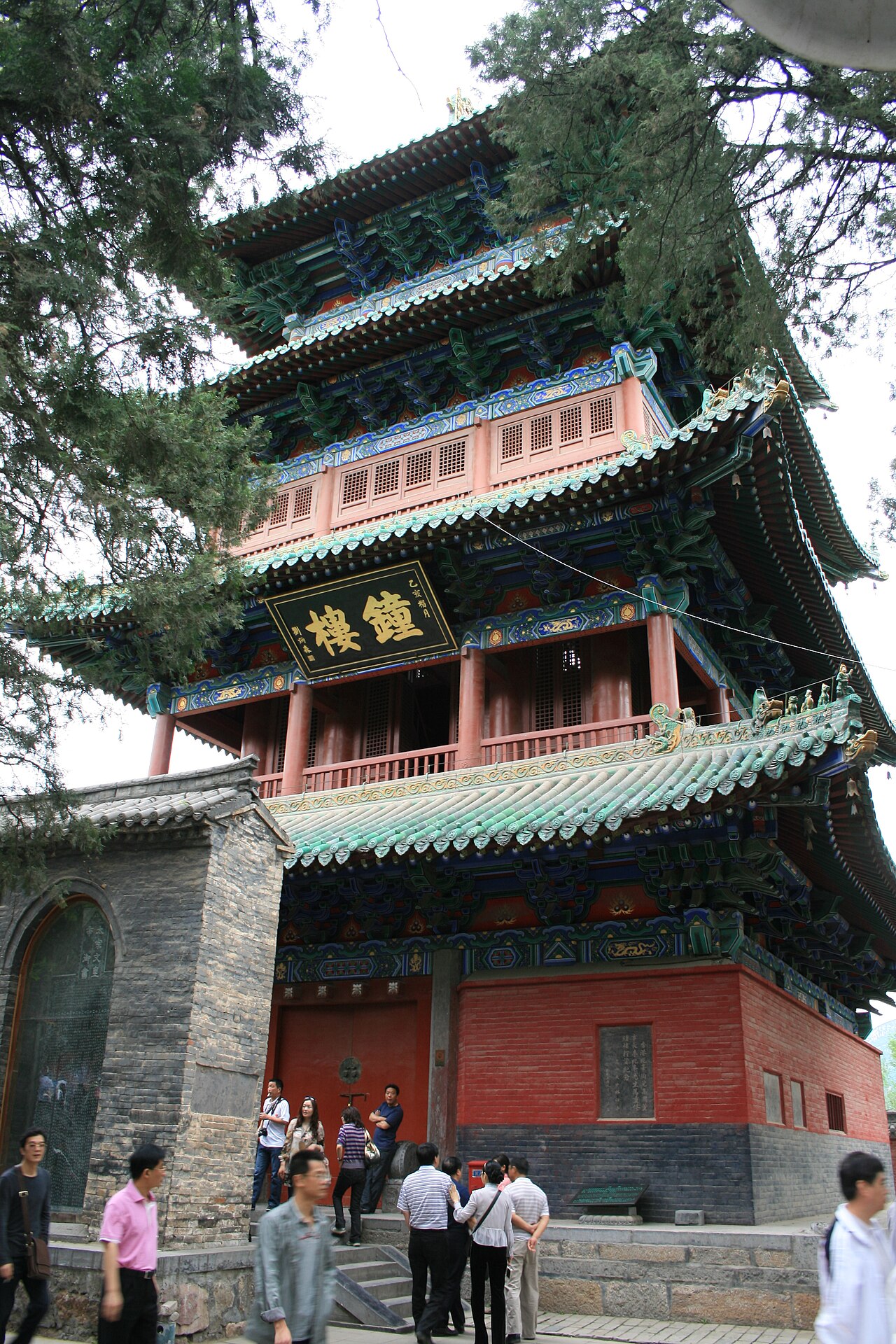
Shaolin Temple sits at the foot of the western peaks of Mount Song, in a valley that Indian monk Batuo settled in 495 AD and where Bodhidharma is said to have introduced Chan (Zen) meditation a few decades later. The association with martial arts made the temple world-famous, and today it is a working monastery again — expect incense, chanting monks and school kids in training uniforms along the approach road.
Most visitors underestimate the site's size. The temple complex itself is compact, but the Pagoda Forest, cable-car stations and the Sanhuangzhai cliff walk take half a day to see properly. Skip the souvenir-hawking villages outside the gate and head straight for the temple.
- Catch a kung fu performance by the Shaolin monks in the theater near the entrance (shows run hourly)
- Walk the Pagoda Forest — 240-plus brick and stone stupas marking generations of abbots
- Hike (or take the cable car) up Sanhuangzhai for cliff-side walkways and views over the Mount Song range
- Visit early morning to see student monks training in the courtyards
Practical tips
The grounds involve a fair amount of walking with some stairs — wear comfortable shoes. The kung fu show schedule is posted at the theater; seating is first-come. Photography is allowed outside the main prayer halls but be discreet around practising monks.
Nearby
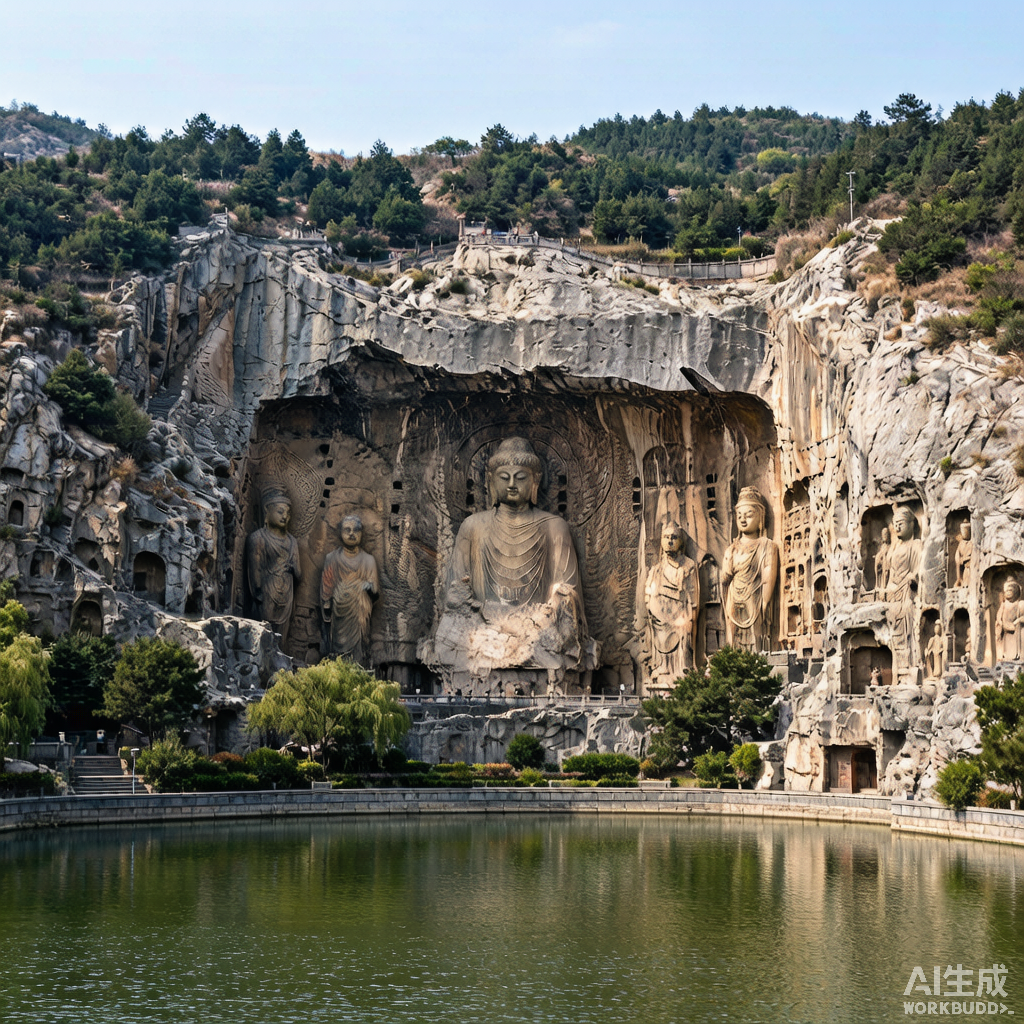
Dengfeng's 'Historic Monuments' cluster — including Zhongyue Temple and the Songyang Academy — are part of the same UNESCO listing and far quieter. Luoyang with the Longmen Grottoes makes an easy two-day combination.
What to See — Aug 2026 Picks
Shaolin is where Chinese Zen Buddhism met Chinese martial arts — a 1,500-year-old temple at the foot of Mount Song, still a working monastery and the most famous kung fu address on the planet. The scenic area is a big campus, so most visits combine the temple courtyard, the pagoda forest, a live kung fu show, and — for the fit — the cliff paths of Sanhuangzhai.
A single ticket (about 80 yuan) covers the main temple, the Pagoda Forest, the martial arts shows, Sanhuangzhai and the Bodhidharma sites. Buy it online a day or two ahead in summer, and arrive at 7:30–8:00 to see the morning show before the tour buses.
Shaolin Temple Main Courtyard (Changzhuyuan)
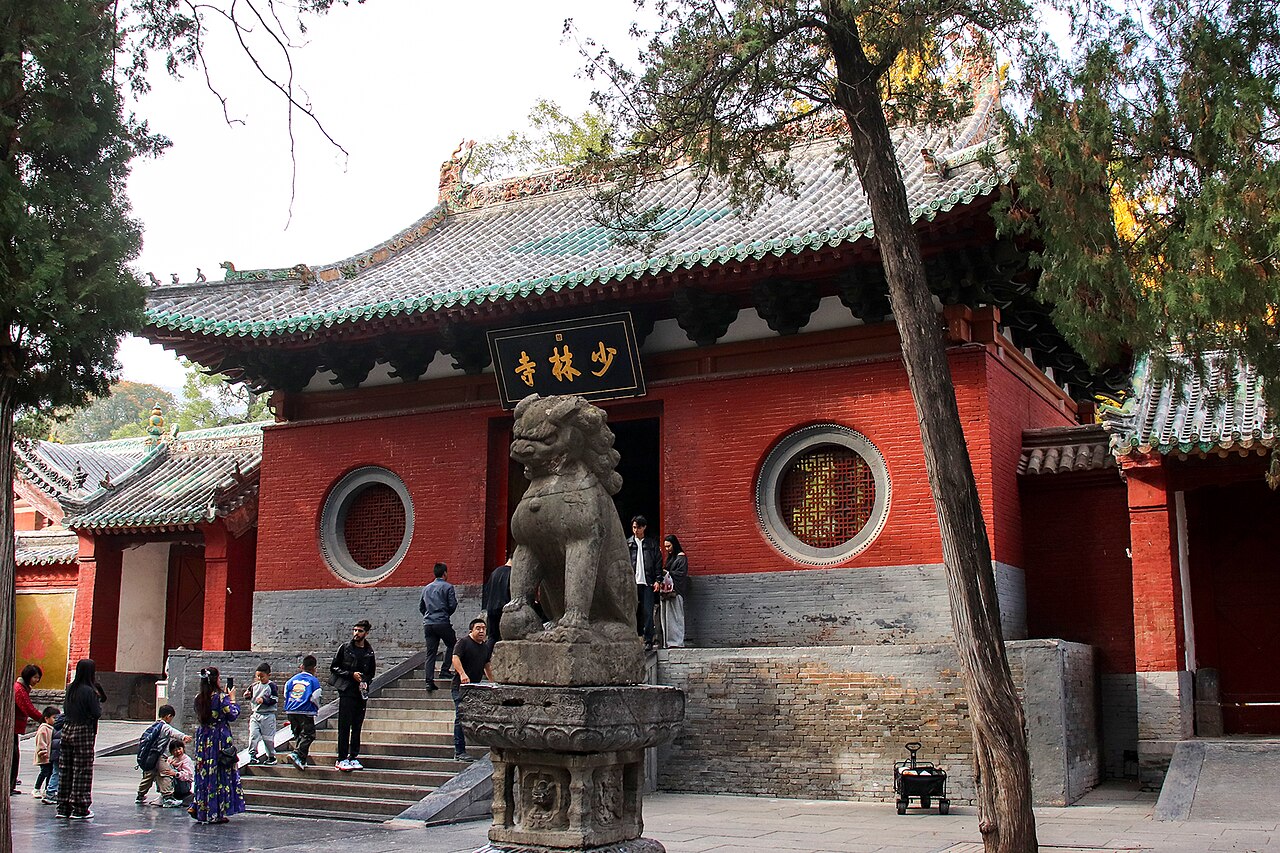
The heart of the monastery. Walk through the mountain gate under the 'Shaolin Temple' calligraphy written by the Kangxi Emperor, past the Hall of Heavenly Kings and the Mahavira Hall, to the small Lixue Pavilion — where, in the 6th century, the monk Huike cut off his own arm in the snow to prove his devotion to Bodhidharma.
The Thousand Buddha Hall at the back hides the temple's two treasures: 500 painted arhat murals and a floor worn into depressions by generations of monks practising kung fu. The 1,500-year-old ginkgo tree in the courtyard is the other photo must.
The Pagoda Forest (Talin)
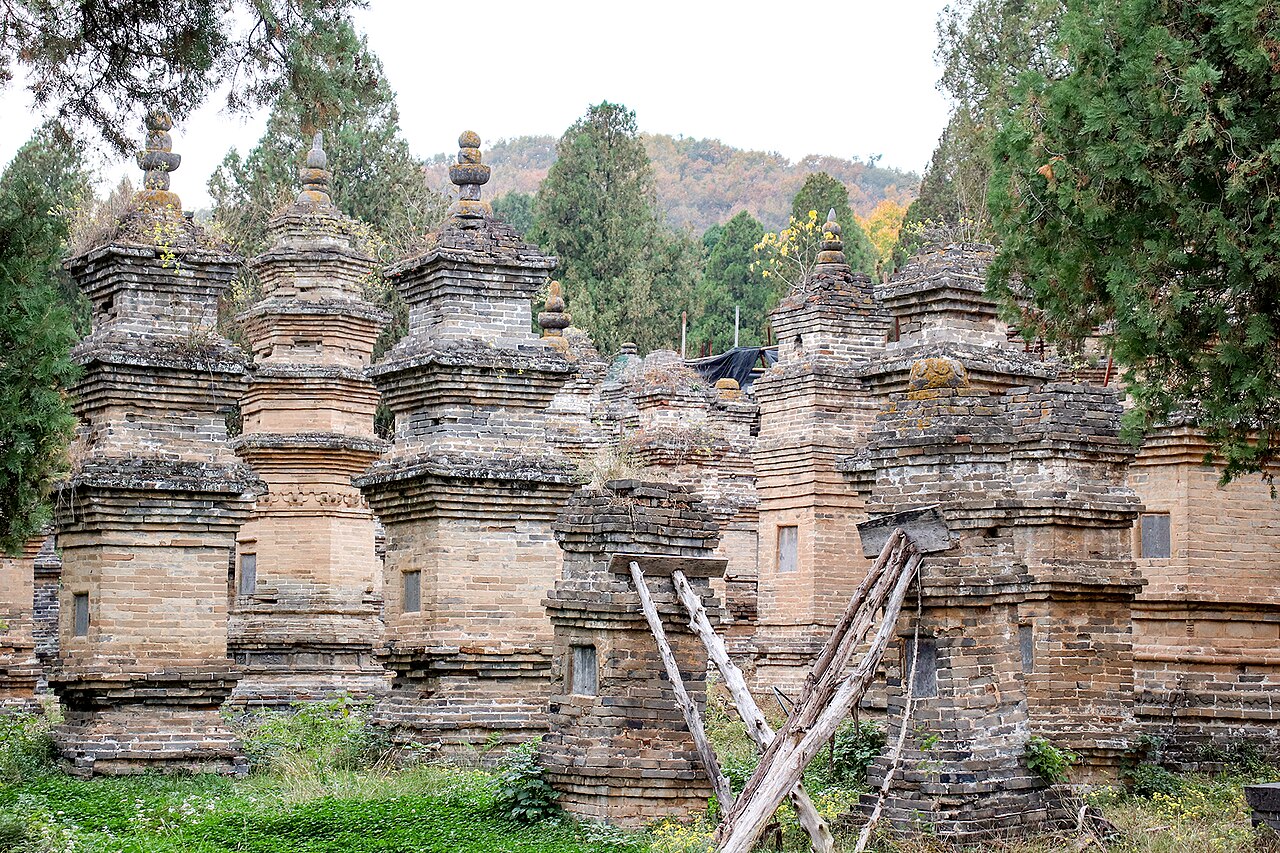
China's largest collection of monk tombs: more than 240 brick-and-stone pagodas built between the Tang and Qing dynasties, each a different shape, size and style according to the buried abbot's rank. The taller the pagoda, the higher the status.
Wander slowly and the whole history of the temple reads like a 1,300-year timeline in stone. It is also where the 1982 film 'Shaolin Temple' had Jet Li training in the background.
The Kung Fu Performance
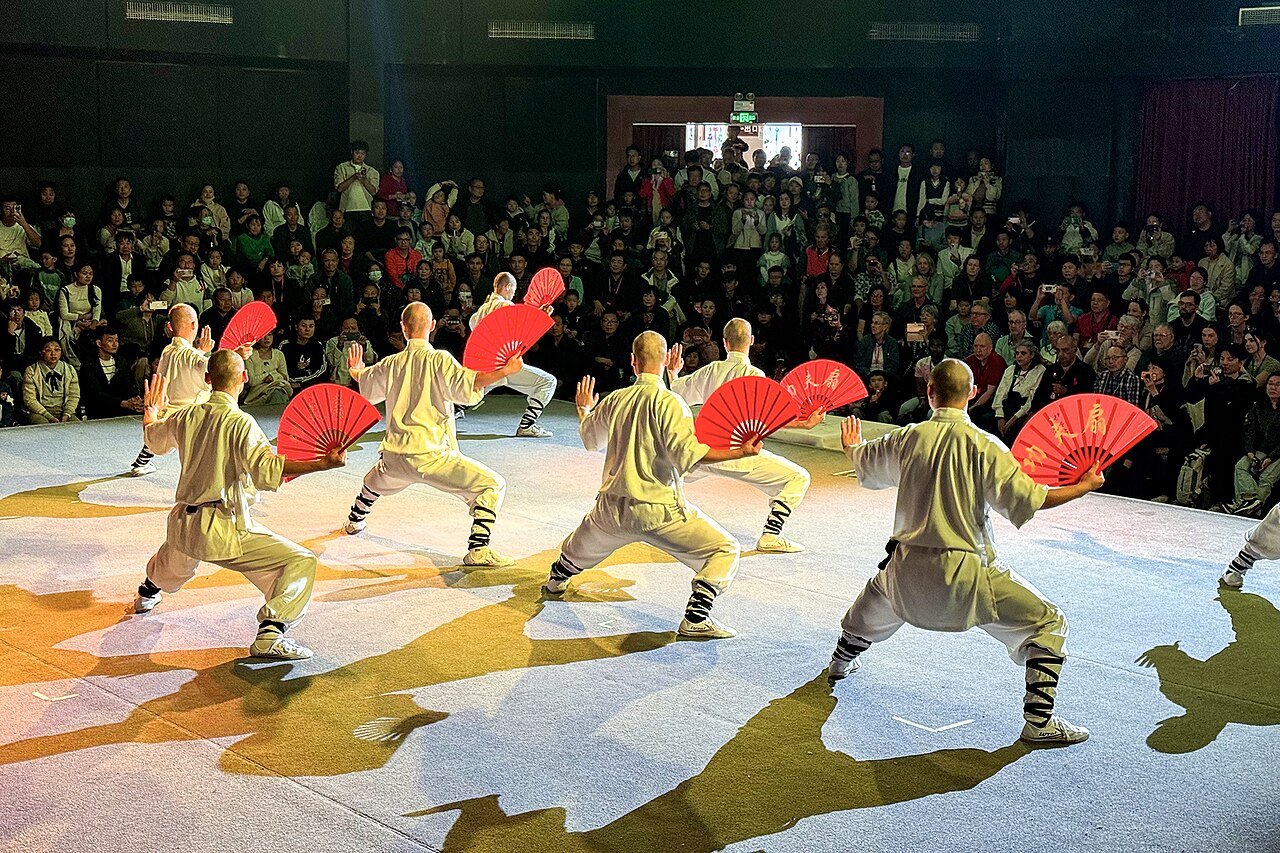
The show everyone comes to see: 30 minutes of Shaolin monks demonstrating fist forms, staff work and hard qigong — including the famous iron-bar-on-head routines. It is included free in the entry ticket.
Shows run at 9:30, 10:30, 11:30, 14:00, 15:00 and 16:00 in the Wushu Hall. The 9:30 show is by far the least crowded; arrive 20 minutes early and aim for front-centre seats. No flash photography during the show.
Sanhuangzhai (Three Emperors Village)
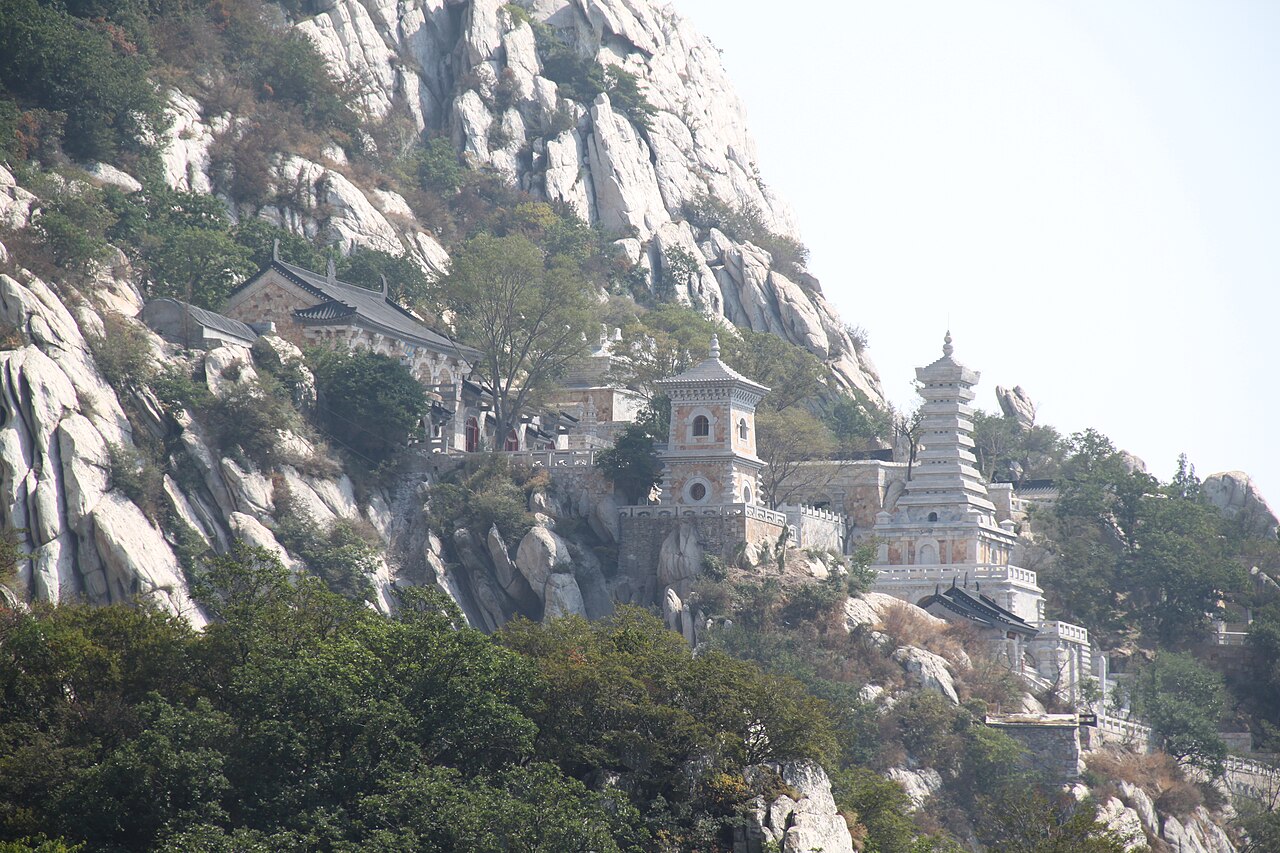
The great natural reward of a Shaolin trip: a high plateau in Mount Song reached by cable car, where a plank road hugs sheer cliffs and the 'Book Cliff' — vertical rock strata that look like shelves of ancient books — is one of central China's most striking geological sights.
The local saying is blunt: 'He who has not seen Sanhuangzhai has not truly been to Shaolin.' Allow 2–3 hours; the cable car round trip is about 100 yuan, and the plank walk is steep and exposed — take water and skip it if you're afraid of heights.
Bodhidharma's Cave & the First Ancestor's Nunnery
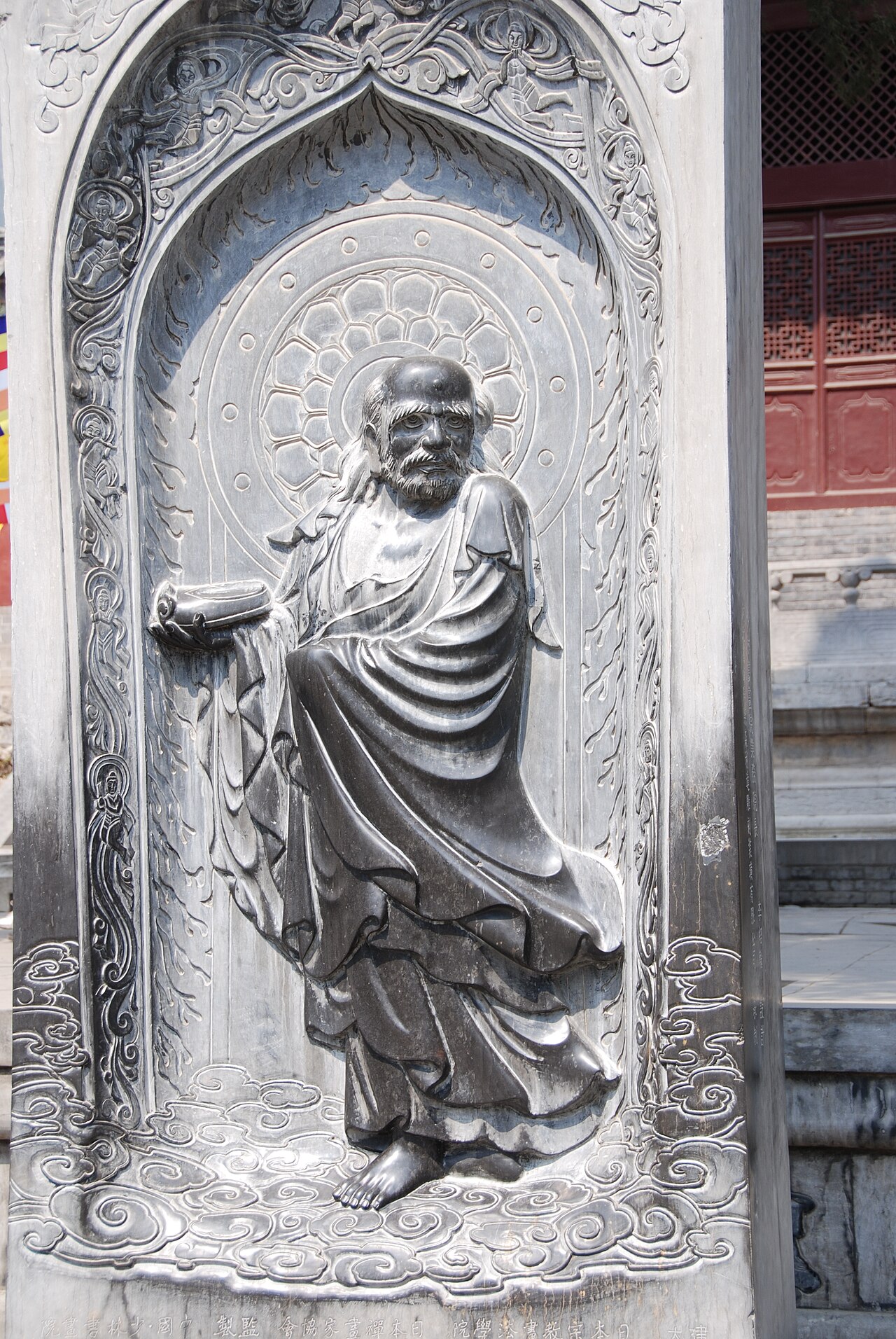
Bodhidharma, the Indian monk who founded Chinese Zen, is said to have spent nine years meditating facing a cave wall on a ridge above the temple. The cave now holds his statue, and the hike up takes about 40 minutes each way through quiet pine forest.
On the way, stop at the Chuzu Nunnery — a small Song-dynasty courtyard considered one of China's oldest wooden buildings and decorated with the earliest known Chinese stone carvings of Bodhidharma's story.
Zen Shaolin Music Ceremony (Night Show)
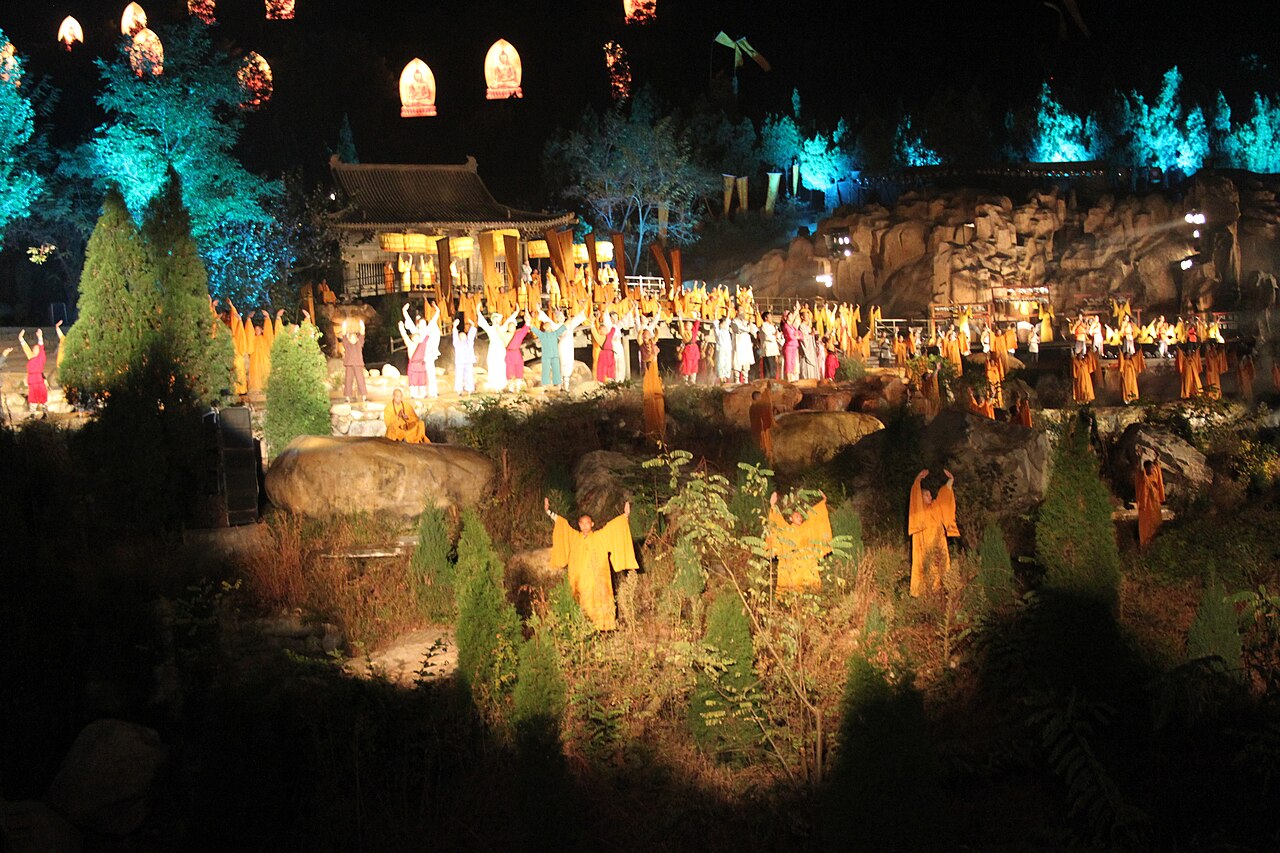
The world's largest open-air mountain performance: nearly 600 performers, monks and musicians staging a 65-minute show on a natural canyon stage outside Dengfeng, with a computer-controlled 20-metre man-made moon and lasers sweeping a 1,400-metre mountainside. It is spectacular in a way no city show can match.
The show starts around 20:00 (roughly 20:00–21:15) and runs through autumn. Tickets start at about 239 yuan and are separate from the temple ticket; book at least 2–3 days ahead, and arrange transport back to town since the last public buses leave early.
Two things make August special at Shaolin. First, the 2026 summer promotion (1 Jul – 31 Aug) gives students, teens and 2026 gaokao graduates half-price tickets (from about 134 yuan) to the Zen Shaolin Music Ceremony night show — a big saving on a show that normally costs 239–299 yuan. Second, August is hot: Dengfeng regularly hits 35°C, so do the temple and pagoda forest in the cool morning, watch the 9:30 kung fu show, then head up to Sanhuangzhai where the mountain air is noticeably cooler. Temple halls generally allow photography without flash, but never photograph the statues or the monks themselves casually.
Getting there
- Bus from Dengfeng bus station (15 km, ~40 min)
- High-speed train to Dengfeng/Luoyang, then bus or taxi to the temple gate
- Founded
- 495 AD (Northern Wei)
- UNESCO
- Part of 'Historic Monuments of Dengfeng' (2010)
- Pagoda Forest
- 240+ stupas, oldest from the Tang dynasty