
Why go
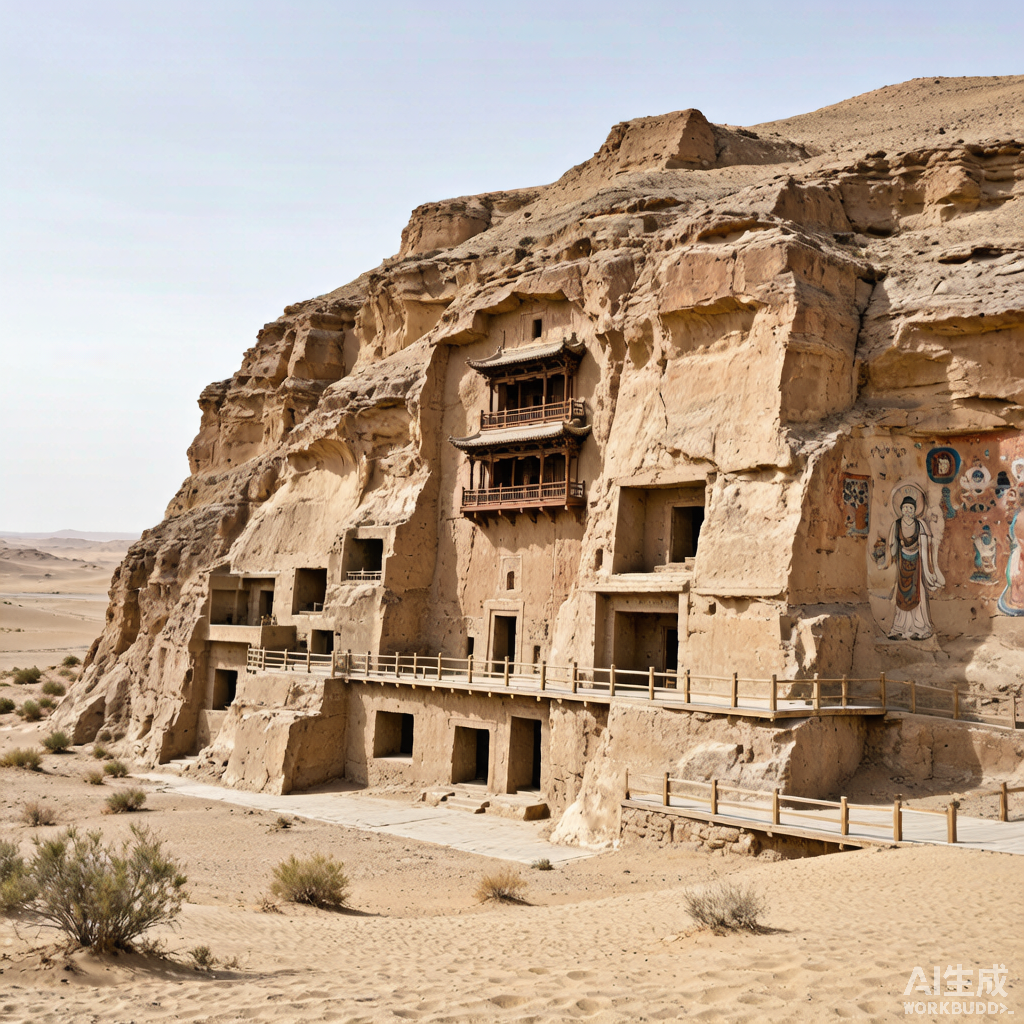
Dunhuang sat at the western gate of the Silk Road, where travellers from the Central Asian steppes met the wheat fields of Gansu. Noodle culture here is ancient — the Mogao cave murals include scenes of dough being kneaded and rolled — and huang mian is the town's own branch of that tradition.
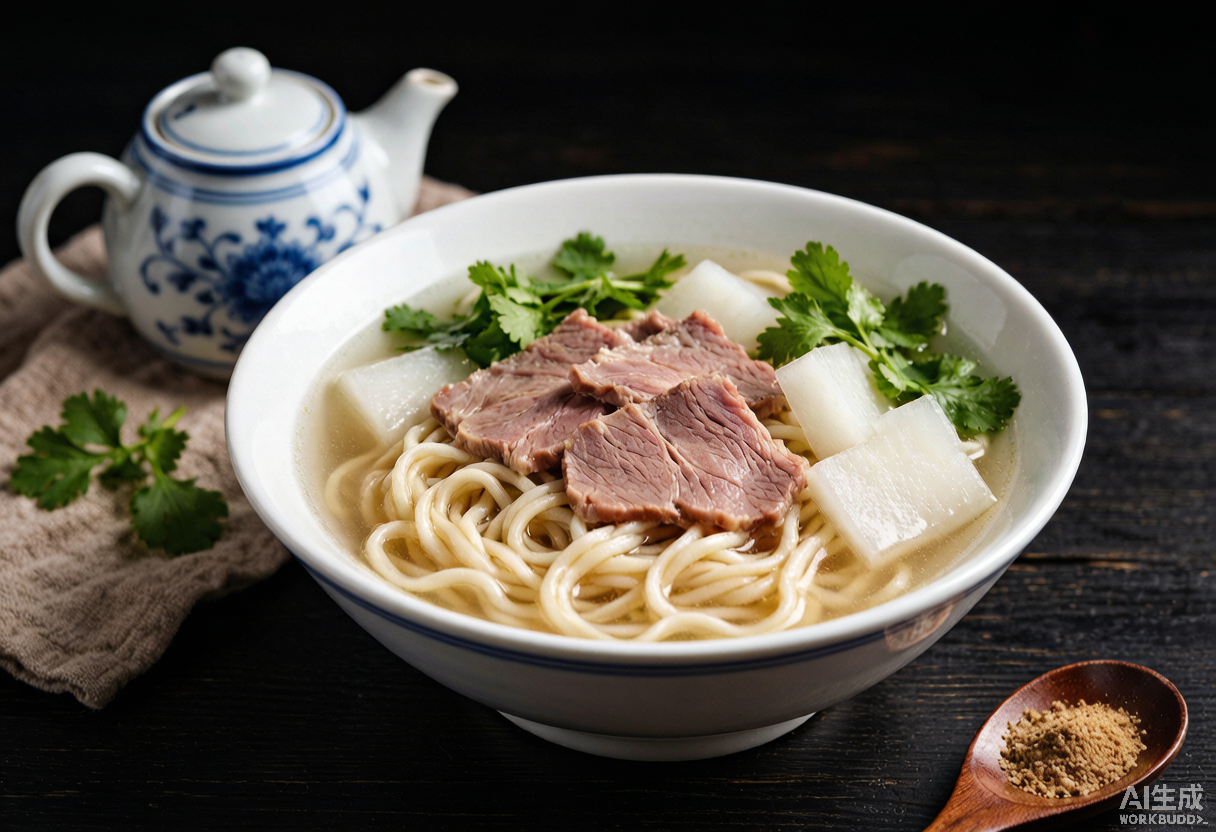
The golden colour is the signature. Kansui, a solution of alkaline salts, reacts with the wheat flour to turn it yellow and make the dough taut and elastic. The pulled noodles are thin, firm and slurp-able, served with a modest topping of shredded lamb, tomatoes, peppers and onion — hearty food for a desert town.
- The yellow colour comes from kansui, which also gives the springy texture
- Hand-pulled at the table in many shops
- The classic topping is shredded lamb and vegetables in a light sauce
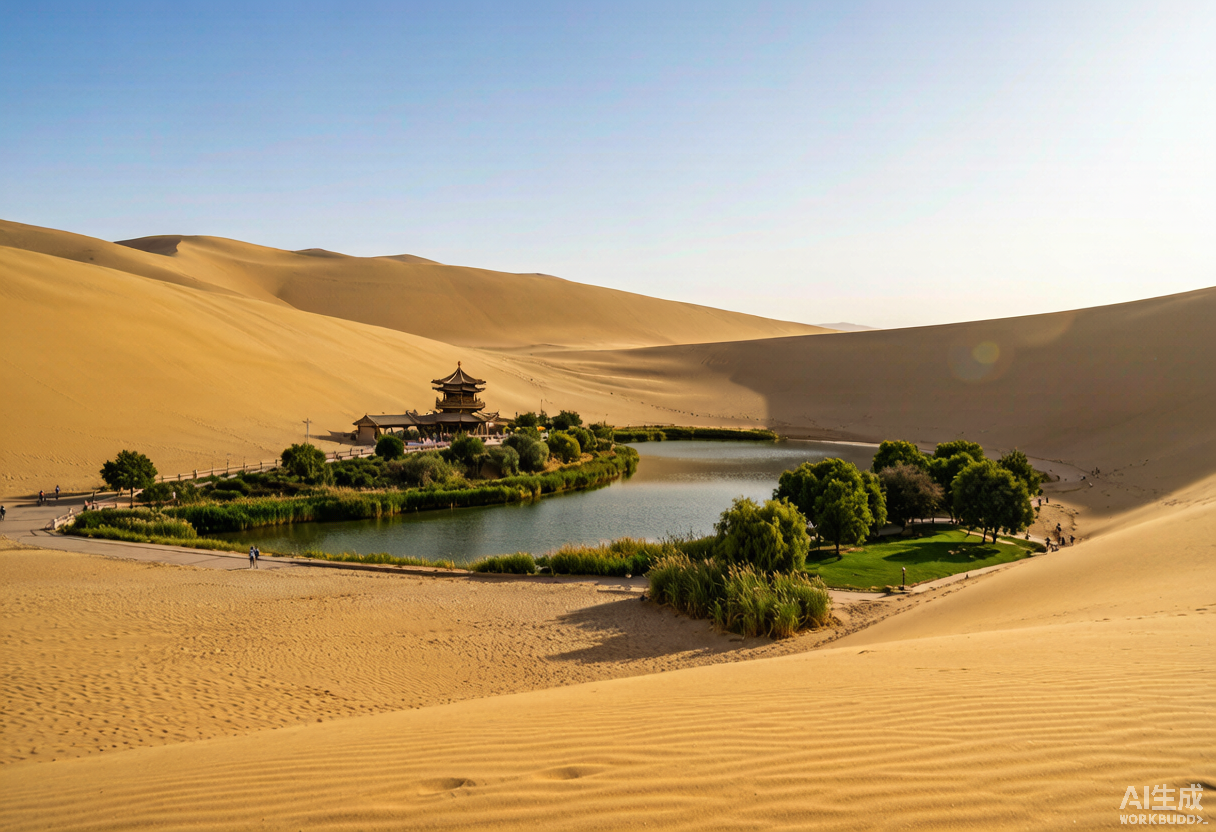
- Perfect after a day of sand dunes and cave temples
What to order
A standard bowl comes with a lamb-and-vegetable topping and costs 15–25 RMB. If you want it richer, ask for guo you (extra oil) or add a plate of the local smoked duck. Pair it with a glass of sweet apricot juice (xingpi shui) — Dunhuang's famous local drink. The noodles should be yellow, glossy and springy; grey limp noodles are a bad sign.
Where to go
Sha Zhou Market street is the food heart of Dunhuang, crowded with noodle shops and stalls in the evening. For the most traditional bowls, look for family shops that pull the dough in the window. Most visitors also try the huangmian with a side of Dunhuang's legendary donkey meat — a local speciality worth one careful taste.
Getting there
- In Dunhuang, noodle shops line Sha Zhou Market street and the main roads near the city centre
- Colour
- Golden — from kansui (alkaline water)
- Classic topping
- Shredded lamb, tomato, pepper, onion
- Price
- 15–25 RMB a bowl