
Why go
In the 19th century Pingyao quietly invented Chinese banking: merchants here created the 'piaohao' system of paper drafts that moved money across the empire without shipping silver. The Rishengchang bank's stone counters still stand.
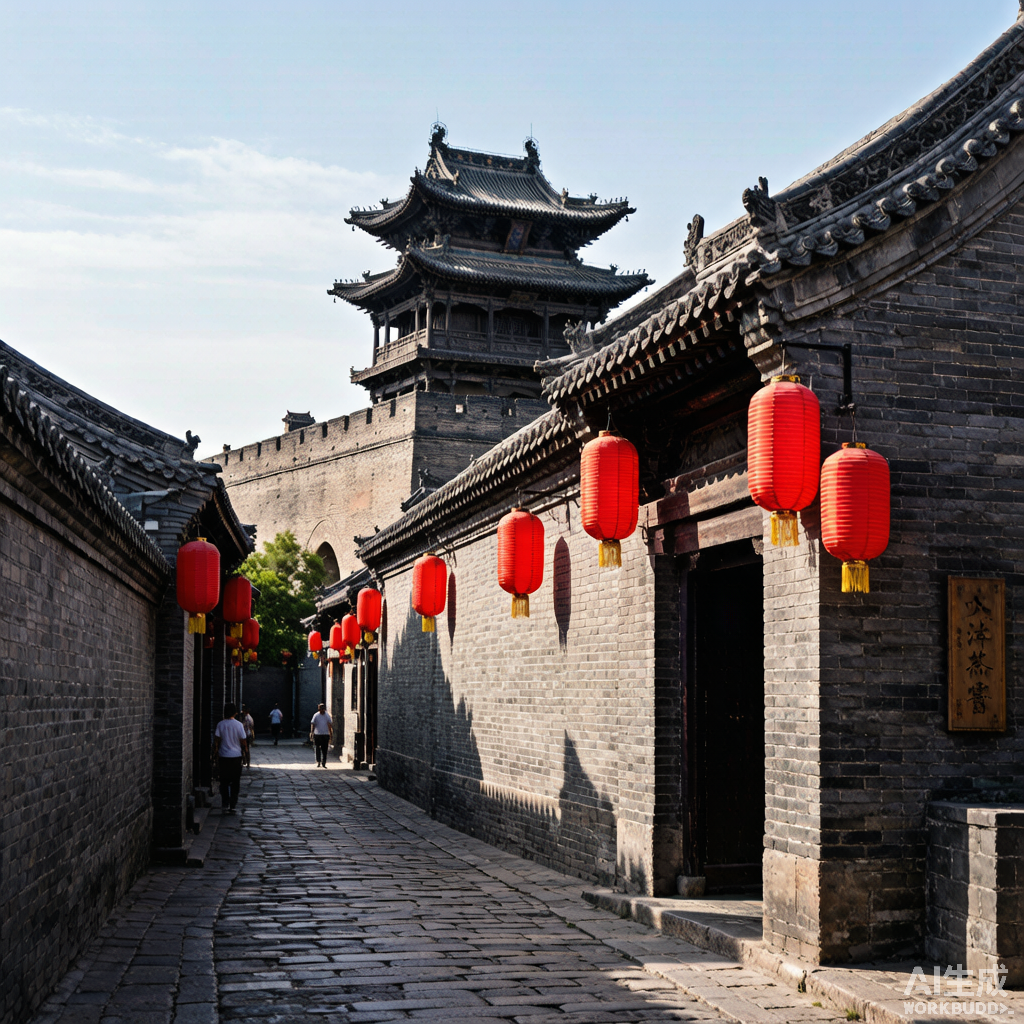
The walled city is compact — 1.5km across — and best seen slowly. Stay inside the walls overnight; the day-trippers empty out by 18:00 and the city returns to its residents.
- The 6 km city wall — walk a full section at sunset
- Rishengchang, the first draft bank in Chinese history (1823)
- The Confucius Temple and its 600-year-old palace roof
- A night walk on the empty, lantern-lit main street
Where to go
Climb the wall at the north gate and walk south with the rooftops below. Visit Rishengchang in the morning, the county yamen (court) at midday, and the temple quarter in the afternoon. The evening light show on the wall is a modern addition, worth a glance.
Practical notes
Pingyao is a good add-on to a Beijing–Xi'an rail journey. The old courtyard hotels are atmospheric but basic; book for two nights to relax into the pace. Local food: pingyao beef and bowl-licking noodles (wanzhuo).
Getting there
- High-speed rail to Pingyaogucheng station, then a 10-min taxi
- Wall
- 6 km, largely intact
- Status
- UNESCO World Heritage (1997)
- Banking
- Birthplace of China's draft banks